
For years, the core promise of personal training was simple: lose weight, transform your body, get the physique you want. That's what coaches built their Instagram pages around, what they put in their bios, what they used to close clients. In 2026, that pitch no longer matches what most people say they're looking for.
Key Takeaways
- In 2026, that pitch no longer matches what most people say they're looking for.
- When people understand that muscle mass declines naturally after their mid-30s and that the loss accelerates with age, strength training becomes a longevity investment, not just an aesthetic goal.
- It used to be: "how do I lose weight fast?" Increasingly in 2026, it's: "how do I stay strong and capable as I get older?" Those aren't the same clients, and they don't want the same programs.
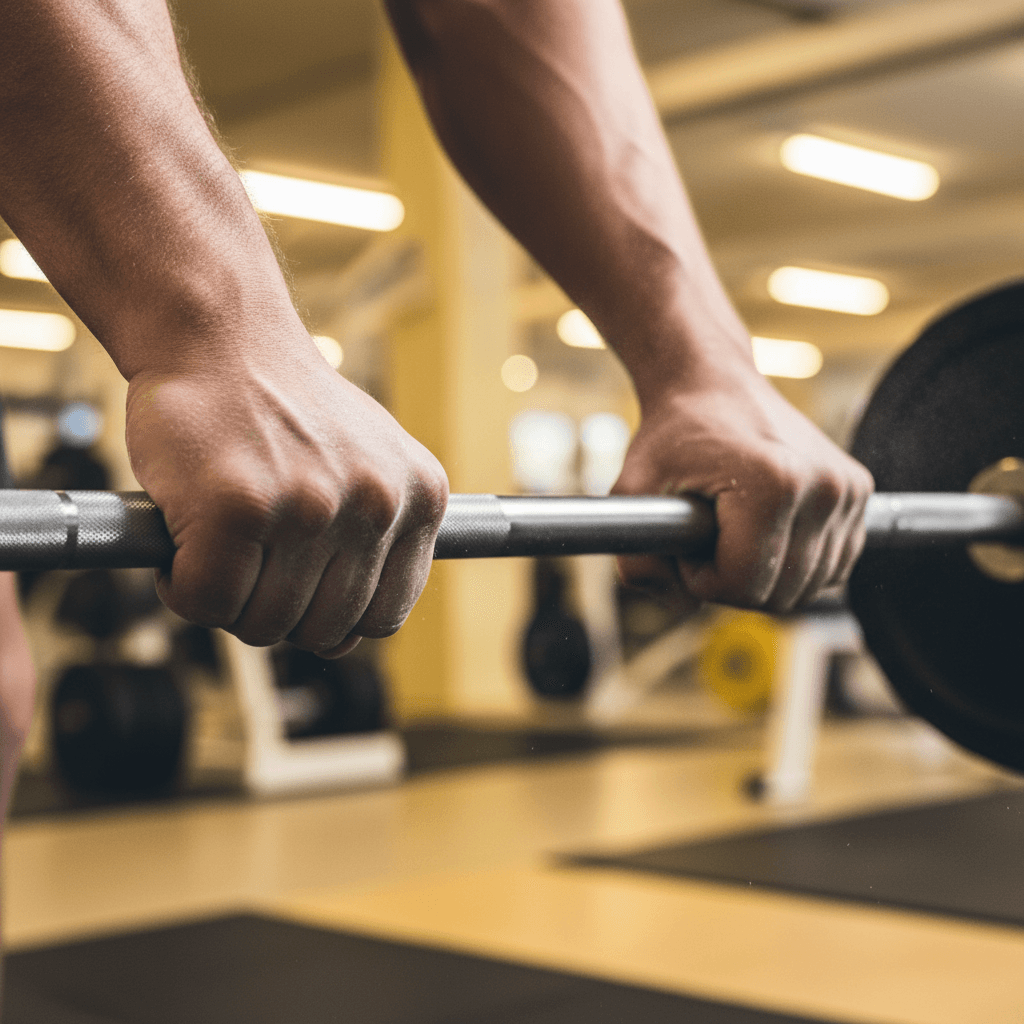
Strength training has overtaken weight loss as the number one fitness goal for Americans. For the first time. That's not a niche trend. It's a cultural shift with direct implications for how coaches attract clients, build programs, and price their services.
Why this shift is happening now
Several forces are converging at once. The aging population is a big one. When people understand that muscle mass declines naturally after their mid-30s and that the loss accelerates with age, strength training becomes a longevity investment, not just an aesthetic goal. The data on sarcopenia and its links to long-term health outcomes has filtered into mainstream awareness, largely through creators like Peter Attia who've built massive audiences around longevity science.
There's also been a cultural image shift. For a long time, strength-centered fitness was associated with bodybuilding: extreme, niche, not relatable to most people. That image has changed. Strength training is now associated with performance, health, and physical independence. That repositioning opened the segment to people who would never have identified as "weightlifters" a decade ago.
And the explosion of longevity content has changed the question people ask when they look for a coach. It used to be: "how do I lose weight fast?" Increasingly in 2026, it's: "how do I stay strong and capable as I get older?" Those aren't the same clients, and they don't want the same programs.
The gap most coaches haven't closed yet
The problem is that most personal trainers haven't updated their positioning. Search for a personal trainer on Instagram and you'll find pages full of before-and-afters, 30-day slim-down challenges, and "melt belly fat" content. It's a faithful reflection of what the market wanted five years ago. Today, it's increasingly out of sync with what clients are actually searching for.
The coaches gaining the most new clients right now aren't necessarily the best technicians. They're the ones who've updated their message. They talk about performance, physical independence, and measurable progress on specific movements. They post strength milestones, not transformation photos. And they attract a different kind of client: more engaged, more consistent, and more likely to stay for the long haul.
This positioning shift also drives more referrals. A client who added 40 pounds to their deadlift over six months will talk about it with way more enthusiasm and specificity than a client who "lost some weight." Strength goals are measurable, shareable, and something people are proud to mention. That's a client acquisition lever most coaches aren't fully using yet.

What this means for actual programming
A client who comes in for weight loss often accepts generic programming: 3 sets of 10, plenty of cardio, some light resistance work. A client who comes in to get stronger expects something different.
Strength-focused clients need:
- Structured progress tracking: load, volume, and personal records on key movements. Without this visibility, the value of coaching isn't obvious.
- Periodization: training cycles with build phases, intensification phases, and deload weeks. Not sessions that look the same week after week.
- Concrete performance milestones: specific medium-term targets (deadlift bodyweight, 10 pull-ups, bench press at a target load) that give direction and create moments worth celebrating along the way.
- Explanation of the why: strength-oriented clients read, ask questions, and want to understand programming decisions. A coach who can explain their reasoning builds a much stronger relationship.
The pricing upside
There's a direct economic benefit to this repositioning that often gets overlooked. When coaching is sold around a vague transformation ("get your confidence back," "reach your goals"), justifying a high rate is hard. When coaching is sold around precise, measurable strength outcomes, the value is visible and clients do the math themselves.
A client who's progressed 30% on their squat in three months, sleeps better, and climbs stairs without getting winded understands exactly what they're paying for. That client is less price-sensitive, more loyal, and more likely to commit to longer-term packages. Coaches who've made this positioning shift report almost universally that their average price went up without a corresponding increase in dropout rates.
Also read: Holistic Coaching: What Top Trainers Offer Beyond Workouts and Adults Over 65 Are Now the Most Loyal Gym Members.
The market has shifted its priorities. Coaches who align their language, programming, and communication with that shift aren't chasing a trend. They're positioning themselves around what clients will keep asking for in the years ahead.
Frequently Asked Questions
How do you find the right personal trainer?
Check their certifications, ask for client testimonials, and evaluate their ability to personalize a program rather than apply a generic template.
How long does it take to see results with a coach?
Most people notice initial changes within 4 to 8 weeks with consistent training. Visible, lasting results typically come between 3 and 6 months.
Is online coaching as effective as in-person?
For many goals, online coaching is equally effective when it includes personalized programming, regular check-ins, and proper form guidance. The best approach in 2026 is often a hybrid model.