
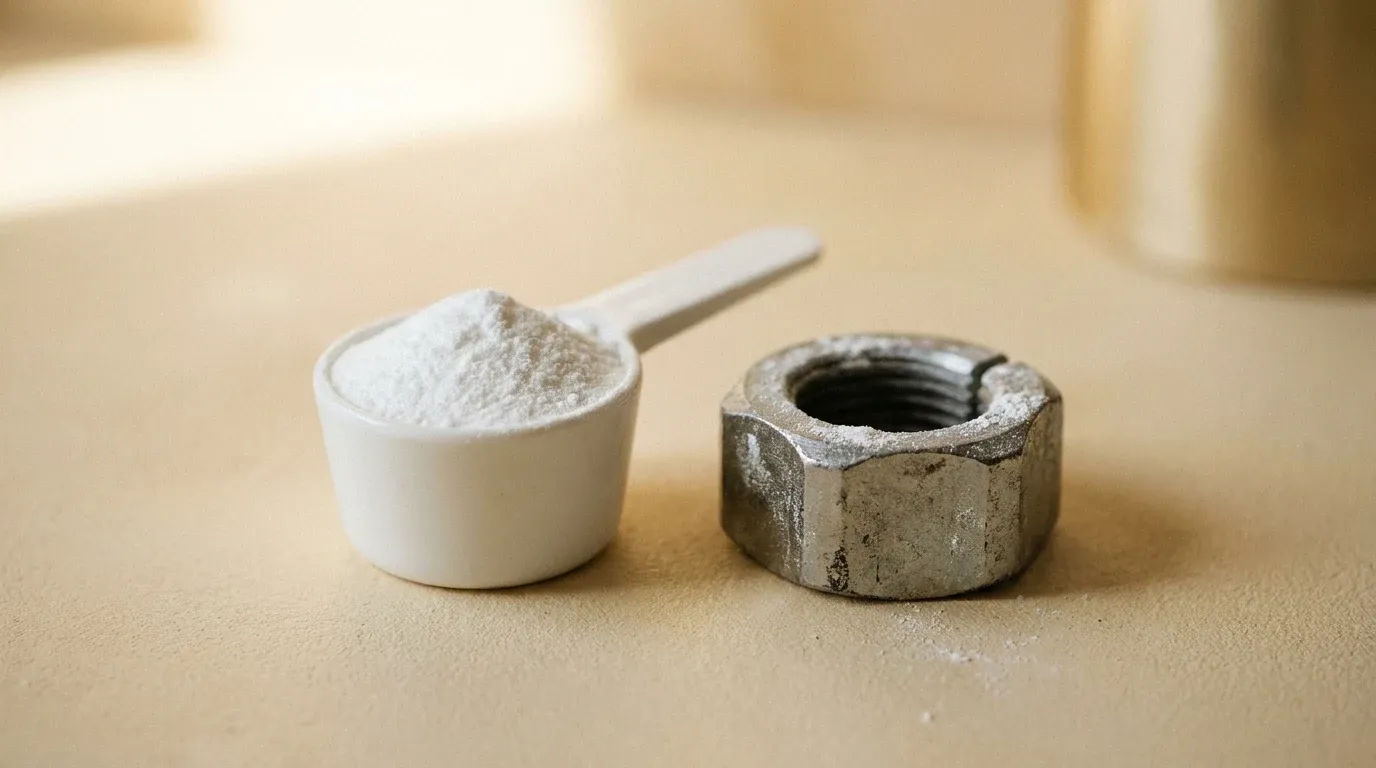
For years, resistance training has been recognized as one of the most effective non-pharmacological tools for managing depression. Now, creatine. a supplement long associated with gym performance. is emerging as an independent antidepressant agent in its own right. The obvious question: if both work, do you actually need to combine them, or is one enough?
The answer, based on the current evidence, is that combining both is likely more effective than either alone. Here's why that matters, and what it means for how you train and supplement.
How Lifting Fights Depression at the Neurological Level
Resistance training doesn't just make you stronger. It changes your brain chemistry in measurable ways. The most well-documented mechanism involves brain-derived neurotrophic factor, or BDNF. a protein that supports the survival and growth of neurons. Depression is consistently associated with reduced BDNF levels, particularly in the hippocampus. Exercise, including lifting, reliably raises them.
Beyond BDNF, strength training increases the synthesis and release of serotonin and dopamine. two neurotransmitters that are central to mood regulation. This is partly why antidepressants that target these systems (SSRIs, SNRIs) help many people. exercise appears to work through overlapping, though not identical, pathways.
A 2023 meta-analysis published in the British Journal of Sports Medicine found that exercise was 1.5 times more effective than leading antidepressant medications or cognitive behavioral therapy for reducing depressive symptoms. Resistance training specifically showed among the strongest effects. This isn't a niche finding anymore. it's a well-replicated result across large populations.
Consistency matters more than intensity. You don't need to be lifting heavy to see mental health benefits. Two to three sessions per week at moderate intensity appear sufficient for most people. If you're coming back from a long gap in training, the smartest way to return to training after a break focuses on progressive volume rather than jumping straight to high loads. that principle applies whether your goal is physical or psychological.
What the Creatine Research Actually Shows
Creatine's antidepressant potential has been studied seriously only in the past decade, but the results are striking enough to have shifted how researchers think about it. Creatine is a naturally occurring compound that the body uses to regenerate adenosine triphosphate (ATP), the primary energy currency of cells. Most people think of it as a muscle fuel. but the brain is one of the most energy-demanding organs in the body, and it depends heavily on the same phosphocreatine system.
Neuroimaging studies have shown that people with major depressive disorder have reduced phosphocreatine levels in the frontal cortex and other mood-regulating brain regions. Creatine supplementation increases brain phosphocreatine stores. This is the core hypothesis behind its antidepressant effects: restoring energy availability in a brain that's running low.
Clinical trials have tested this directly. One randomized controlled trial found that women with major depression who took creatine (4g daily) alongside their antidepressant medication responded significantly faster and more completely than those on medication alone. Another line of research has focused on treatment-resistant depression. the subset of patients who don't respond adequately to standard antidepressants. Creatine has shown measurable benefit in this group, which is particularly meaningful given how few options exist for them.
The evidence skews toward women in part because of differences in baseline creatine levels (women tend to have lower endogenous levels) and hormonal interactions. But that doesn't mean men don't benefit. it means women may see larger effects from supplementation.
One important caveat: supplement quality varies significantly in this category. If you're choosing a creatine product, label accuracy is a real concern. why you can't trust most supplement labels in 2026 outlines exactly what to look for when vetting a product. Creatine monohydrate from a third-party tested brand is the safest, most studied form.
Where the Two Mechanisms Overlap. and Where They Don't
Here's where it gets interesting from a mechanistic standpoint. Both lifting and creatine target brain energy metabolism, but they do so through different entry points.
Exercise increases mitochondrial biogenesis in the brain. essentially building more energy-producing infrastructure. It also upregulates BDNF, which supports neuroplasticity and neuronal repair. Creatine, by contrast, directly replenishes the phosphocreatine pool, giving neurons more immediate fuel to work with. Think of exercise as building a better power plant over time, and creatine as increasing the fuel supply to the existing one.
Critically, exercise-induced increases in serotonin and dopamine are largely separate from creatine's mechanism. Creatine doesn't appear to directly modulate neurotransmitter synthesis the way exercise does. This means the two interventions are not simply doing the same thing twice. they're addressing different biological deficits that both contribute to depression.
That's also why the combination is plausible rather than redundant. A brain that's been energy-depleted (addressed by creatine) and low in BDNF and neurotransmitters (addressed by exercise) has two distinct problems. Treating only one may leave meaningful room for improvement untouched.
Depression rarely has a single cause. It's a heterogeneous condition that involves disrupted sleep, hormonal fluctuations, chronic stress, and neurological factors simultaneously. what chronic stress actually does to your body helps explain why addressing mental health through multiple pathways often outperforms single-target approaches.
Special Populations Worth Noting
Postpartum women represent a group where both lifting and creatine may be particularly relevant. The postpartum period involves dramatic hormonal shifts, sleep deprivation, and the physical demands of recovery. that's a context where brain energy deficits are especially likely. Resistance training has strong evidence for reducing postpartum depression risk, and creatine's effects in women suggest it could support mood in this period as well.
Fitness professionals working with this group should factor mental health outcomes into their programming decisions. coaching postpartum clients: a practical guide covers how to structure safe and effective programs that account for these physiological realities.
Older adults are another relevant population. BDNF naturally declines with age, and depressive symptoms are common in older people who also tend to have lower dietary creatine intake (particularly if they eat less meat). The combination of lifting and creatine may offer compounding protective effects for cognitive and emotional health in this group, though research specifically targeting older adults with depression is still developing.
The Practical Case for Combining Both
If you're dealing with low mood, persistent fatigue, or diagnosed depression, you don't need to choose between lifting and creatine. The current evidence doesn't force a trade-off, and the mechanisms suggest you're likely to get more from both together than from either in isolation.
Here's what a practical combined approach looks like:
- Resistance training frequency: Two to four sessions per week at moderate-to-high effort. Consistency over intensity. Missing one session matters less than stopping entirely.
- Creatine dose: Three to five grams of creatine monohydrate daily. No loading phase is necessary for mood benefits. this dose is safe for long-term use in most healthy adults.
- Timing: Creatine timing relative to workouts doesn't appear to matter significantly for brain benefits. Take it at whatever time is easiest to sustain as a habit.
- Adjunct, not replacement: Neither lifting nor creatine replaces medication or therapy for clinical depression. If you're working with a psychiatrist or therapist, treat these as additions to your existing treatment, not substitutes.
- Nutrition context: Creatine works alongside, not instead of, a diet that supports brain health. B vitamins, omega-3s, and adequate protein all matter. B vitamins: food first or supplements? what to actually do is a useful starting point for filling common nutritional gaps that affect mood and cognition.
If you're new to resistance training or unsure where to start, the type of coach you work with matters. which type of personal trainer do you actually need? breaks down the differences between coaching styles and specializations so you can find someone equipped to support both your physical and mental health goals.
What the Evidence Doesn't Yet Tell Us
It's worth being honest about what's still unknown. Most creatine trials for depression have been relatively short (eight to twelve weeks) and often focused on specific subgroups. We don't yet have large-scale long-term trials examining the creatine-plus-exercise combination specifically for depression as a primary endpoint. That research is likely coming, but it doesn't exist yet in definitive form.
What we do have is a biologically coherent mechanism, a solid evidence base for each intervention separately, and no meaningful interaction risk between them. That's a reasonable foundation for action. especially given that both lifting and creatine carry significant additional health benefits beyond mood, including improved strength, body composition, bone density, and cognitive function.
You're not waiting on a single landmark study to make a sensible decision here. The convergence of evidence is already pointing in a clear direction. Use both, do it consistently, and track how you feel over months, not days.