
Fitness Training Guides
Strength training, workout programs, and progressive overload explained. Build muscle, get stronger, and reach your fitness goals.
Latest articles (646)

How Poor Sleep Is Silently Killing Your Muscle Gains
Sleep deprivation can cut muscle protein synthesis by up to 18%, quietly undermining every session you put in. Here's what the science says and how to fix it.

Why Muscle Growth Stops at 48 Hours (And What to Do)
Muscle protein synthesis peaks at 24 hours post-workout and stops by 48 hours. Here's why training frequency, sleep, and tension matter more than you think.

Chasing Pump and Soreness Is Ruining Your Gains
Pump and soreness feel productive, but science says they're poor proxies for muscle growth. Mechanical tension and progressive overload are what actually drive gains.
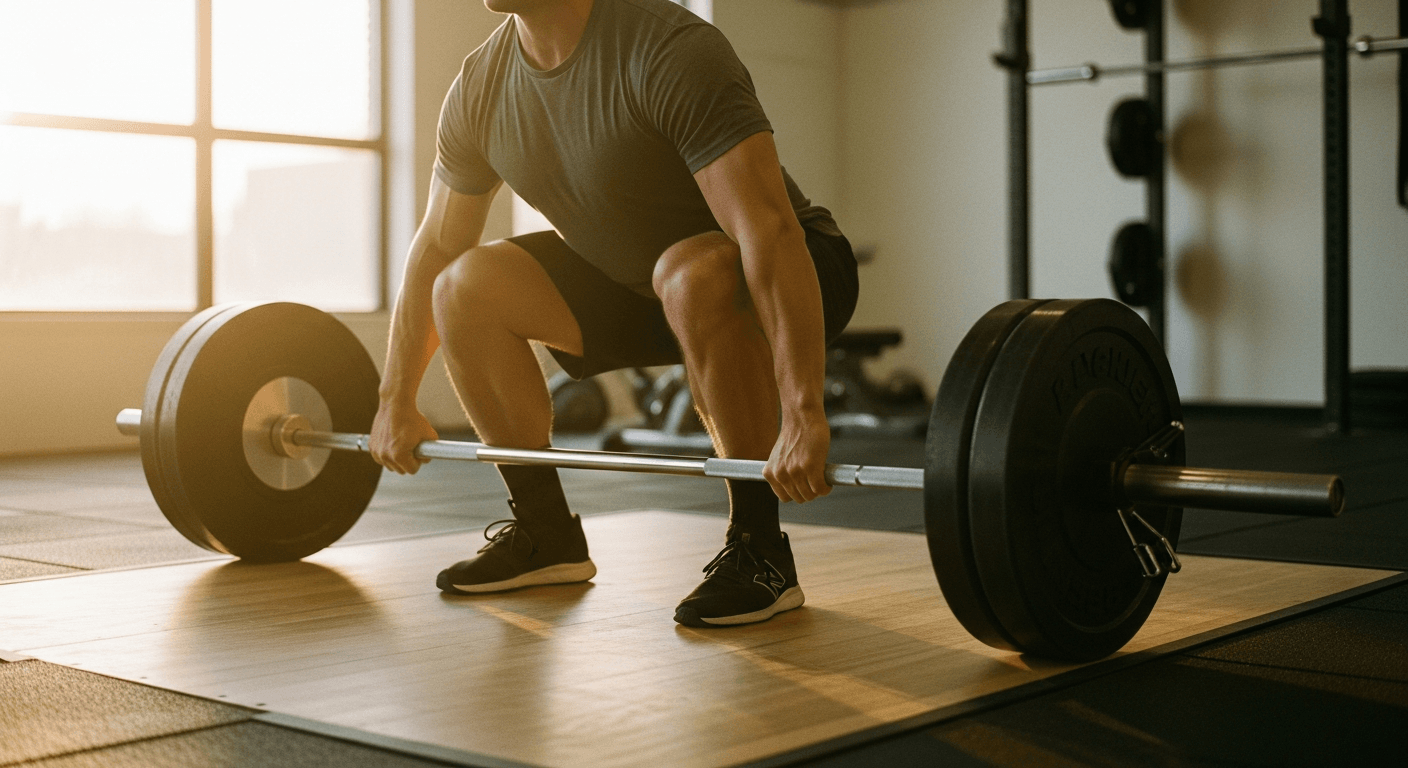
Eccentric Training Builds More Muscle With Less Effort
Eccentric training targets the lowering phase of a lift to build more muscle with less metabolic cost. Here's what the research says and how to apply it.

Type 1 Diabetes: Fit but Oxygen-Starved Muscles
Teens with type 1 diabetes can maintain strong fitness levels, but early microvascular damage quietly limits how their muscles use oxygen. Here's what trainers need to know.
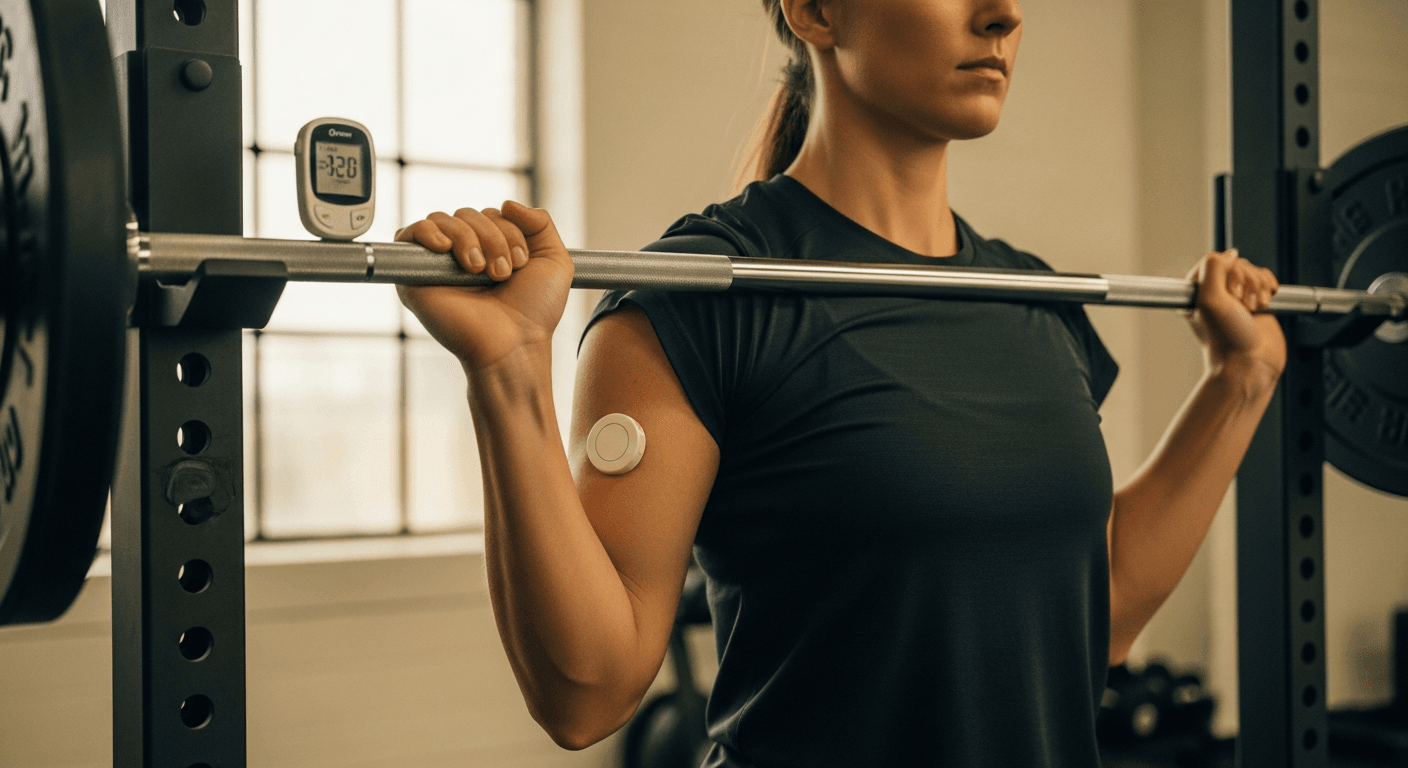
Training With Type 1 Diabetes: The Practical Gym Guide
A practical gym guide for T1D athletes covering blood glucose management, strength vs. cardio risks, CGM use, and recovery adjustments backed by current research.

Sophie Ellis-Bextor Is Biologically 7 Years Younger Thanks to Fitness
Sophie Ellis-Bextor's biological age is reportedly 7 years below her real age. Here's what the science says is actually driving that result.

Microvascular Health: The Hidden Factor Killing Your Gains
New T1D research reveals microvascular health silently limits muscle performance. Here's what damages it, and how to train smarter to protect it.
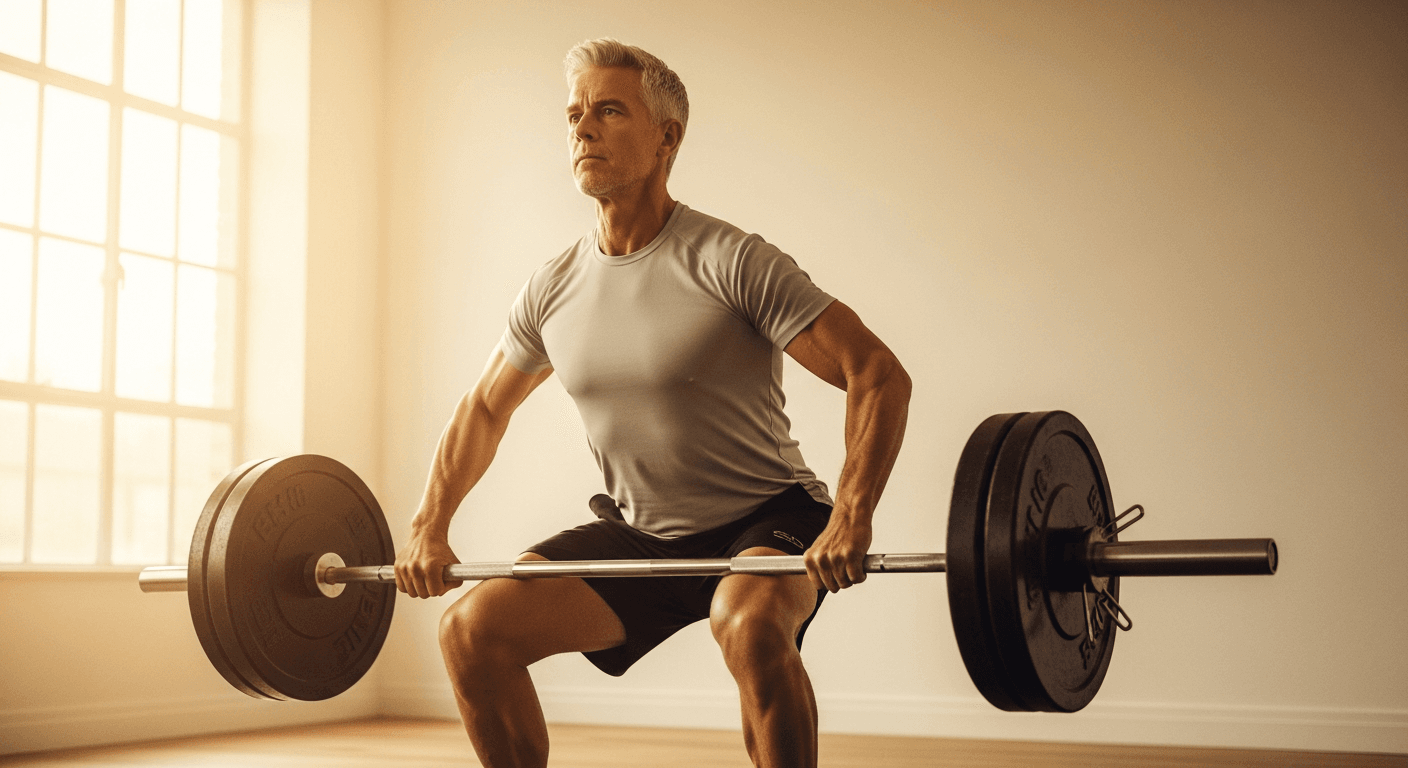
How Training Actually Slows Down Biological Aging
New longevity research confirms that consistent strength and cardio training measurably lowers biological age by reshaping epigenetics, boosting VO2 max, and reducing inflammation.

Muscle Loss After 40: How to Actually Stop It
Muscle loss starts in your mid-30s and accelerates fast. Here's the evidence-based action plan for anyone over 40 who wants to stop it.

The Minimum Cardio + Lifting Combo That Actually Works
Combining strength and cardio, even at low volume, outperforms either alone for longevity. Here's the minimum effective weekly template that actually fits your life.
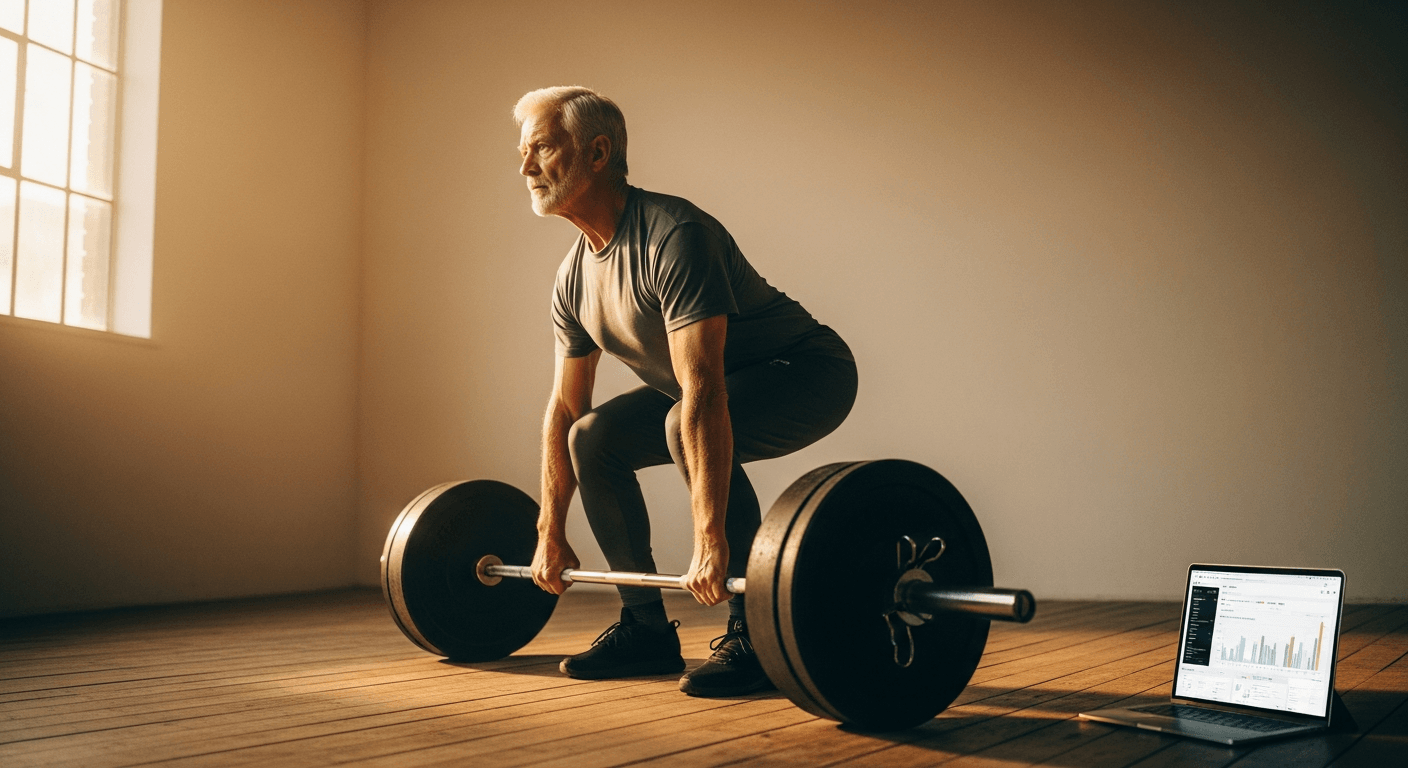
Health Span vs Lifespan: Why Lifters Need to Know the Difference
Health span. not lifespan. is what lifters should be training for. Here's what the research says and how to adjust your approach after 40.

Being Fit in Midlife Actually Extends Your Lifespan
New research confirms that building fitness in your 40s and 50s extends both lifespan and healthy years. Even modest gains produce measurable longevity benefits.

How Often Should You Train Per Week After 40?
Recovery capacity declines after 40, making generic training advice unreliable. Here's what the research says about optimal weekly training frequency for midlife lifters.

10,000 Steps a Day Cuts Sitting Risks by Up to 39%
A study of 72,000+ adults finds 10,000 daily steps cuts mortality risk by 39% and cardiovascular risk by 21%, regardless of sitting time.
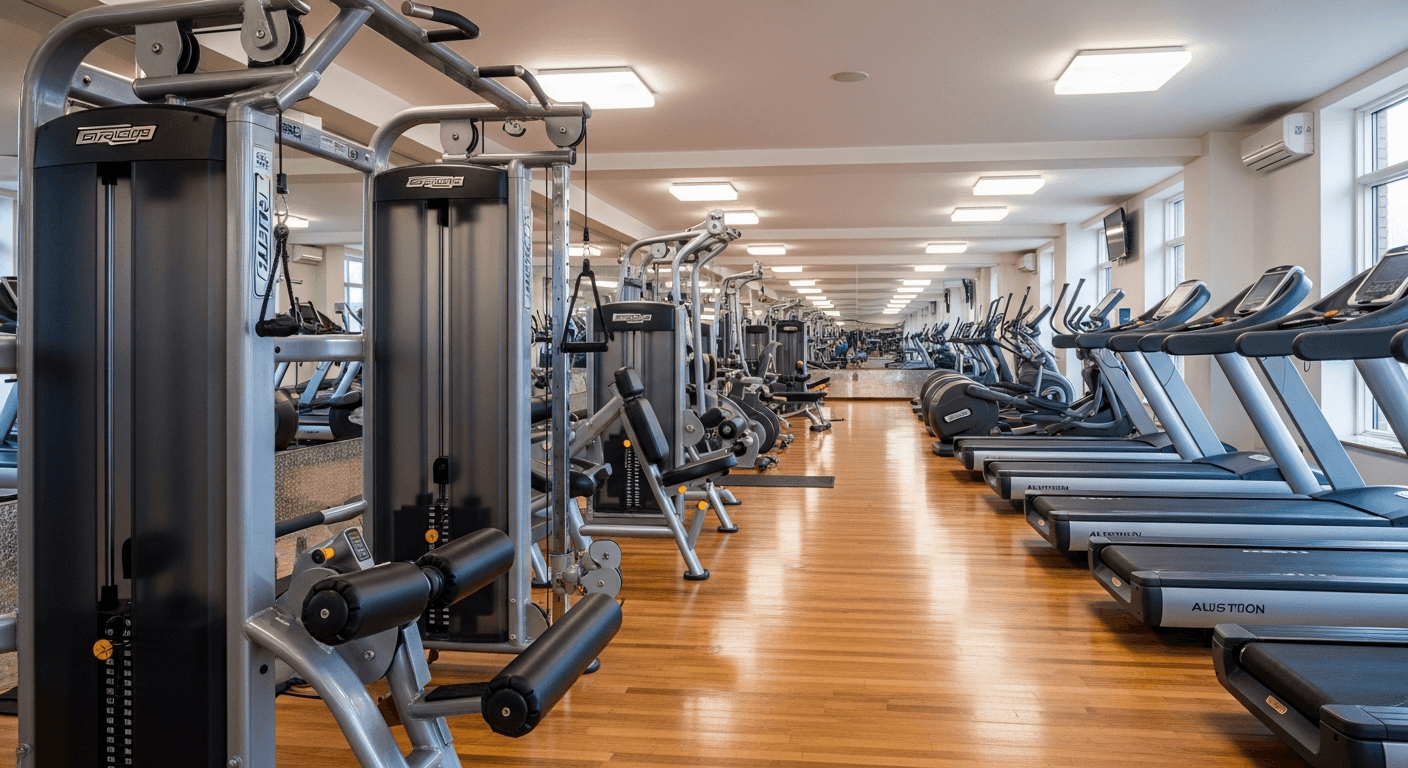
Technogym Partners With Google Cloud on AI Fitness
Technogym's multi-year deal with Google Cloud embeds generative AI into gym equipment and operations, signaling a major shift in how personalized fitness is delivered at scale.
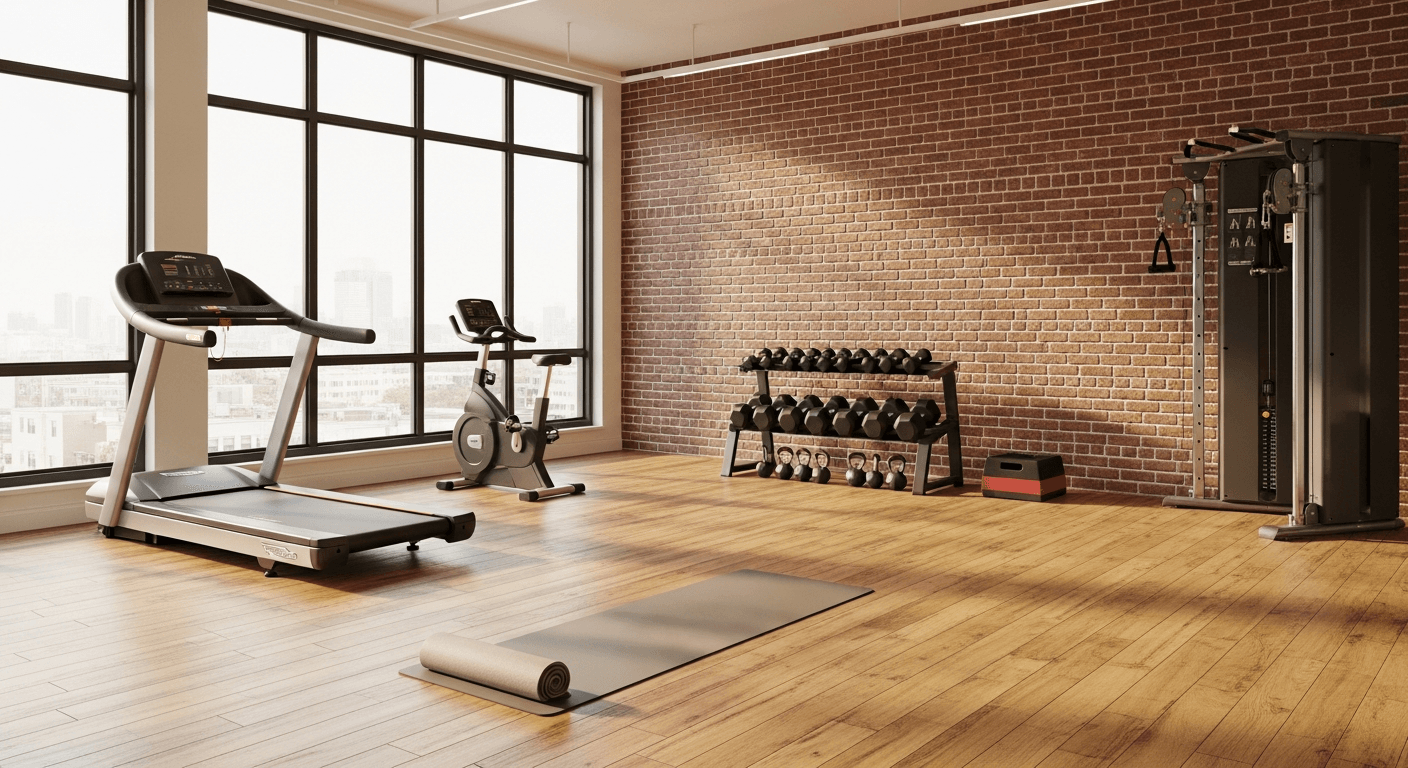
SOLO60 Expands Its On-Demand Private Gym Model
SOLO60's latest expansion signals growing consumer demand for private, on-demand gym access. Here's what the trend means for the broader fitness market.

BODi Bets on GLP-1 Support and 10-Minute Workouts
BODi expands its 10-minute workout catalog with GLP-1-friendly programs targeting muscle preservation and metabolic health, signaling a broader fitness industry shift.

Strength Training Myths Trainers Still Tell Women Over 50
New research challenges the myths trainers still tell women over 50, from bulking fears to bone fragility, and makes a strong case for heavy, progressive strength training.
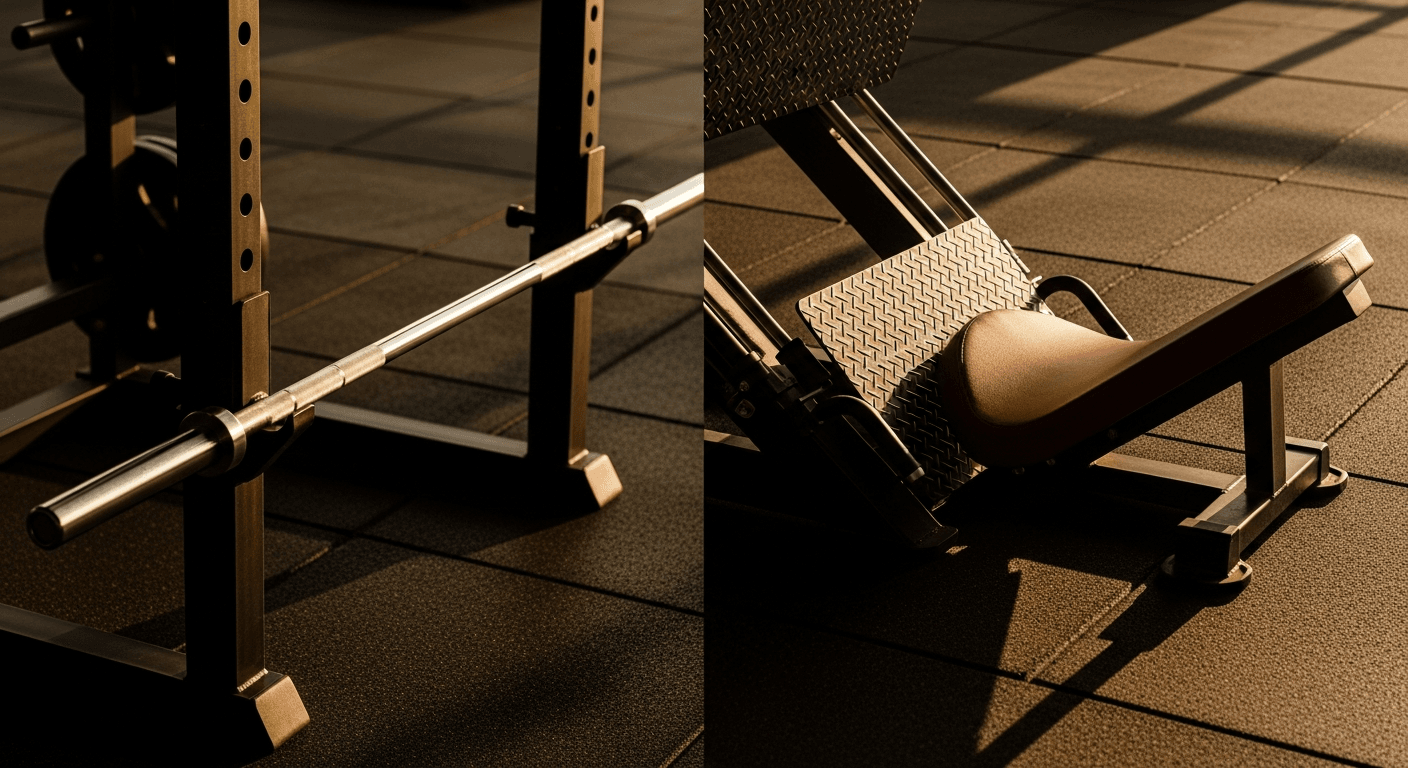
Do You Actually Need Squats to Build Strong Legs?
Squats are effective, but not essential. Research shows leg press, split squats, and hack squats produce comparable muscle growth for people with pain or mobility limits.

How to Spring Back Into Training Without Getting Injured
Spring injuries surge when people rush back into running, golf, and yard work. Here's how to ramp up safely using progressive load principles.
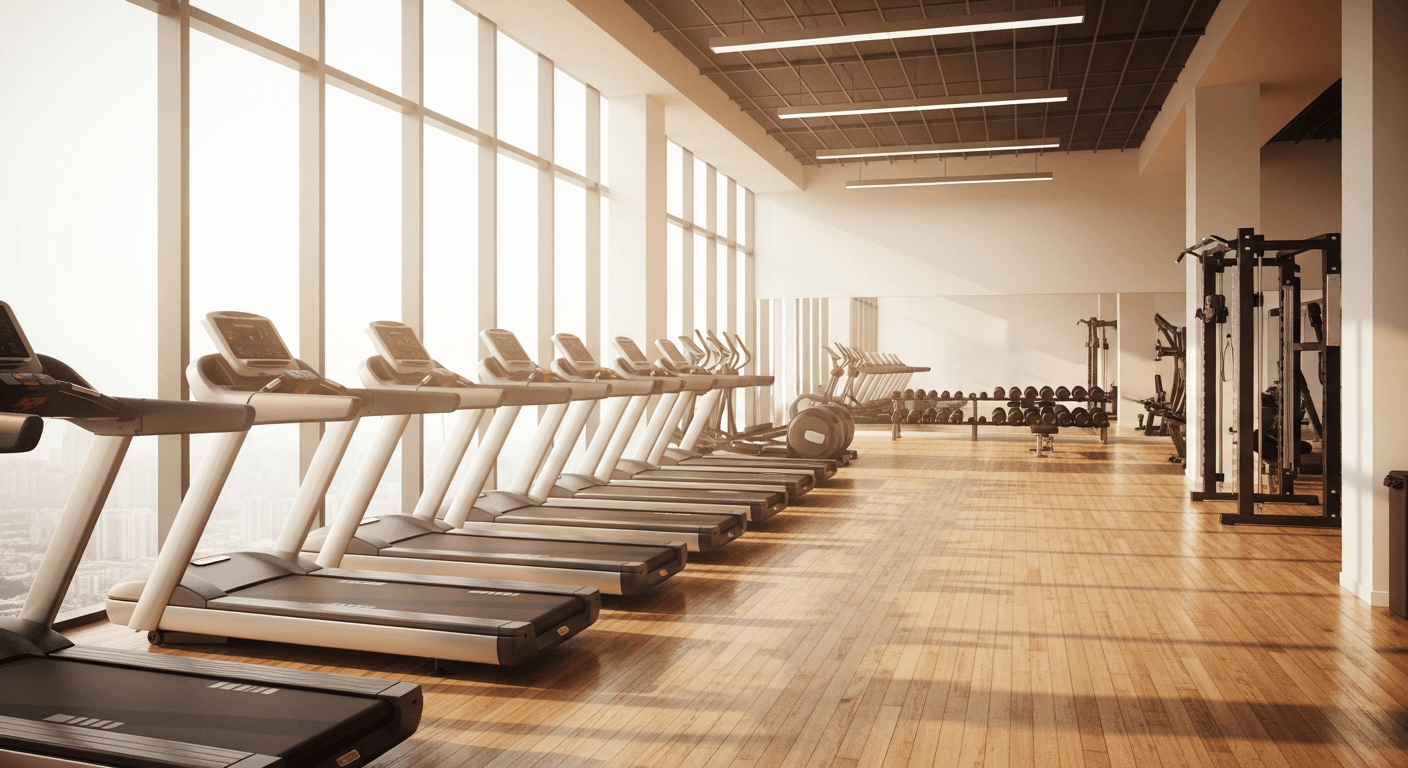
Your Cardio Fitness Level Predicts Lifespan Better Than You Think
New research tracking millions shows cardiorespiratory fitness predicts lifespan more powerfully than most biomarkers. Gaining just one MET cuts mortality risk by up to 15%.

Women and Strength Training: 126 Studies Say Train the Same
A meta-analysis of 126 studies and 4,000+ women finds sex-specific programming is unnecessary, with women showing equal or greater strength gains than men.

Improving Your Diet After 45 Can Add Years to Your Life
New 2026 research shows improving diet quality after 45 can add years to your life, with health benefits persisting even after partial weight regain.