
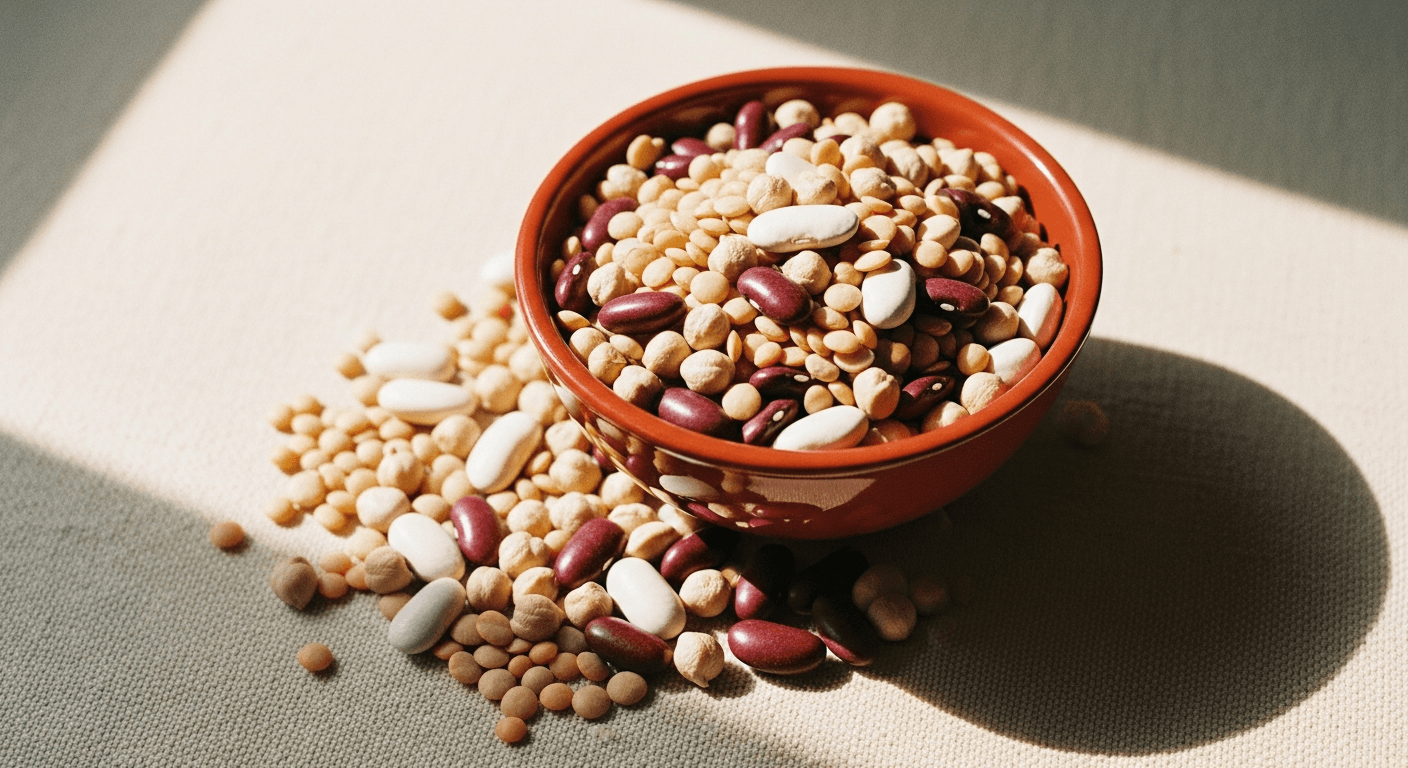
Lentils, chickpeas, and beans aren't just affordable protein alternatives — they have a growing body of cardiovascular health evidence behind them. A new study on a large US adult cohort confirmed that people who eat more pulses have a significantly lower prevalence of cardiometabolic diseases.
For active people and coaches, this finding is worth integrating into nutrition strategy — not just for the cardiovascular benefits, but because legumes have an exceptionally complete nutrition profile for athletes.
Key Takeaways
- Higher pulse intake associated with lower prevalence of type 2 diabetes, hypertension, and coronary heart disease
- Key mechanism: very low glycemic index + fiber that slows glucose absorption
- For athletes: 7-9g protein per 100g cooked, fiber, complex carbs, micronutrients at very low cost
- Recommended frequency: 3-4 servings per week to cover the cardiovascular benefit range
What the Study Measured
The study, conducted on a large US adult sample, assessed the frequency of pulse consumption (lentils, chickpeas, black beans, kidney beans, fava beans) and its correlation with cardiometabolic disease prevalence: type 2 diabetes, high blood pressure, and coronary heart disease.
Result: a significant association between high legume consumption and lower prevalence of all three conditions. The effect is observed with 3-4 servings per week and above.
This is an observational study. It doesn't prove that legumes cause the cardiovascular risk reduction — it shows a strong correlation after adjustment for many confounding factors.
Why Legumes Have This Effect
Three main mechanisms explain the association:
Very low glycemic index. Lentils have a GI around 30-35, chickpeas around 28, black beans around 30. That's 2-3x lower than white rice or potatoes. Low GI means slow, sustained blood sugar rise — fewer insulin spikes, better long-term insulin sensitivity.
Soluble fiber. Legumes are rich in soluble fiber (beta-glucans, pectins) that bind to LDL cholesterol in the gut and facilitate its elimination. Multiple meta-analyses confirm soluble fiber reduces LDL-cholesterol by 5-10% depending on dose.
Protein-satiety profile. The protein + fiber combination in legumes produces prolonged satiety. Less snacking between meals, less carbohydrate overload at the next meal — an indirect effect on weight control and cardiovascular risk.
What This Changes for Athletes
Legumes are systematically underused in sports nutrition. Yet:
- Protein: 100g cooked lentils = 9g protein. Not meat-level, but a solid source that stacks easily.
- Complex carbs: ideal low-GI fuel source for long-duration or endurance training sessions.
- Recovery: the mineral density (iron, magnesium, zinc, potassium) makes legumes a solid post-training food, especially for athletes who eat little red meat.
- Gut health: the prebiotic fibers feed a diverse microbiome — increasingly associated with better recovery and immunity.
How to Integrate Them Practically
3-4 servings per week is achievable without overhauling eating habits:
- Red lentils in a curry or soup (batch cook, reheat easily)
- Roasted chickpeas as a salty snack (replaces crackers or chips)
- Black beans in a rice bowl or with eggs at breakfast
- Hummus as a dip with raw vegetables
For athletes worried about bloating: legumes ferment in the colon. The effect is reduced with gradual introduction (start with small amounts, increase over 2-3 weeks) and with canned legumes that are well-rinsed (the fermentable sugars are partially eliminated by rinsing). For those looking to hit high daily protein targets without supplements, legumes are one of the most cost-effective whole-food options available.
Sources: ScienceDaily — Nutrition news 2026 | LLCC — Protein and fiber lead 2026 nutrition trends