
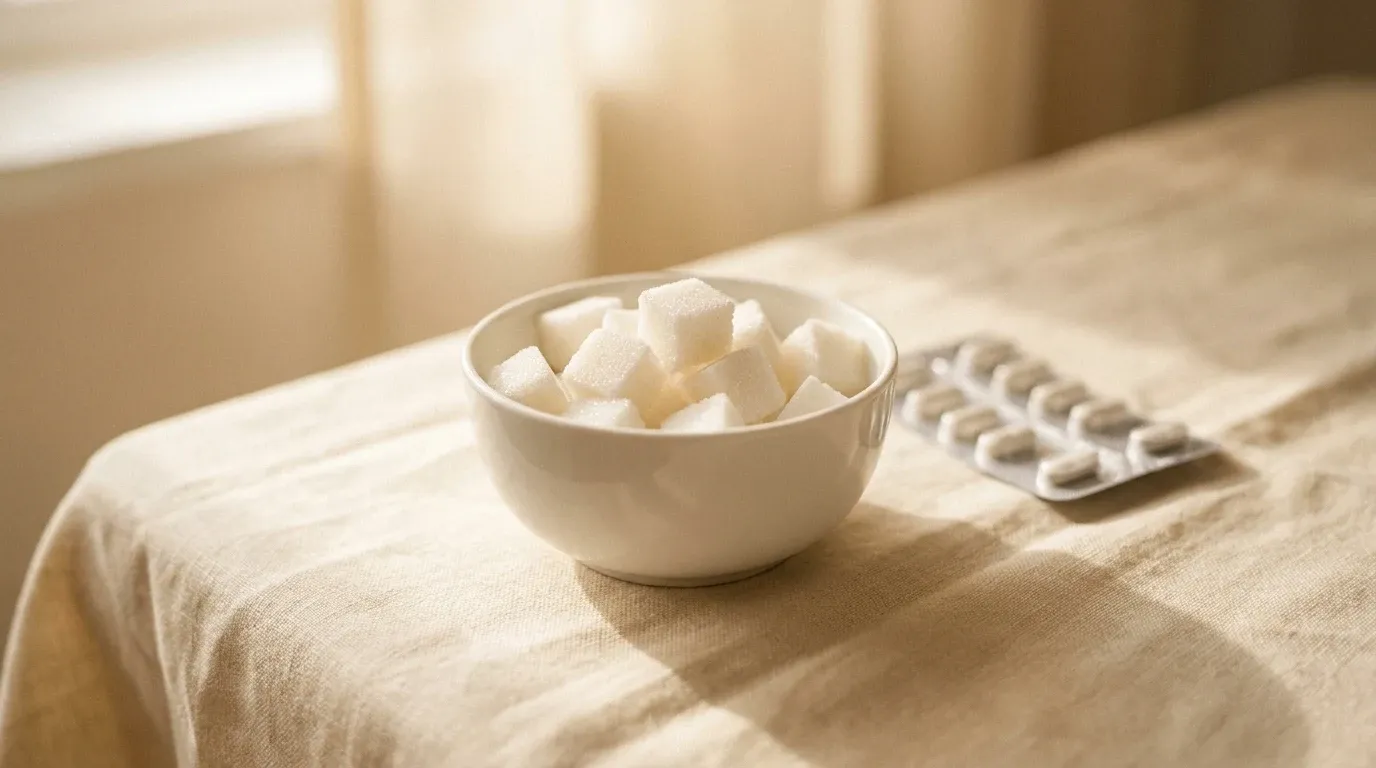
If you've ever been told to sip ginger ale or eat soft, sugary foods while taking antibiotics, new research suggests that advice may be doing real damage to your gut. A study published September 30, 2026 in Nature found that sugar consumption during antibiotic treatment significantly reduces gut microbiome diversity, raising serious questions about what you should actually be eating during a course.
The findings aren't a minor footnote. They point to a direct interaction between dietary sugar and antibiotic-driven disruption of gut bacteria. That combination, researchers found, is considerably more destructive than antibiotics alone.
What the Study Actually Found
The Nature study examined how different dietary patterns interacted with antibiotic treatment in terms of gut microbiome outcomes. The core finding: participants who consumed higher levels of sugar during antibiotic courses experienced a sharper and longer-lasting drop in microbiome diversity compared to those who kept sugar intake low.
Microbiome diversity matters more than it might sound. A wider range of bacterial species in your gut is linked to stronger immune function, better metabolic health, reduced inflammation, and faster recovery from illness. When diversity collapses and stays collapsed, those systems take a hit.
The study found that sugar appeared to compound the damage antibiotics already cause. Antibiotics are non-selective by design. They don't just target the bacteria making you sick. They wipe out beneficial strains too. Add sugar to that environment, and the data suggest recovery becomes slower and shallower.
Why This Challenges Standard Clinical Practice
Here's where the research gets particularly pointed. One common clinical approach, especially with cancer patients undergoing antibiotic treatment, is to encourage calorie-dense foods and drinks to help maintain weight and energy. That often means sugary beverages, soft drinks, or sweetened nutritional supplements.
The logic has been straightforward: patients need calories, and getting them to eat anything is better than not eating. But the Nature findings complicate that calculus significantly. If sugar is actively worsening microbiome disruption at the same time antibiotics are working, clinicians may be inadvertently extending the window of gut dysfunction for some of their most vulnerable patients.
This doesn't mean caloric support is wrong. It means the source of those calories deserves much closer scrutiny. The study's implications push toward a conversation that hasn't fully happened yet in clinical settings: what you eat during antibiotics may matter just as much as whether you're taking a probiotic afterward.
The Microbiome Recovery Window Is Shorter Than You Think
Most people assume the gut bounces back quickly once a course of antibiotics ends. The reality is more complicated. Research consistently shows that microbiome recovery after antibiotics can take weeks to months, and in some cases, certain bacterial strains don't return to baseline at all.
The Nature study adds another layer to this: if sugar consumption during treatment accelerates diversity loss, you're starting your recovery from a worse position. That means the window for rebuilding a healthy gut ecosystem gets longer and harder to close.
For everyday users, this has real implications. A 10-day antibiotic course combined with a high-sugar diet isn't just a temporary inconvenience. It could mean months of impaired gut function, which connects upstream to energy, mood, immune response, and even how well you absorb key nutrients. If you're tracking your nutrition carefully, for performance or general health, this is exactly the kind of variable that tends to get overlooked.
What This Means for What You Eat During a Course
The study doesn't prescribe a specific diet, but the direction it points is clear. Reducing sugar intake during antibiotic treatment appears to be one of the more actionable things you can do to protect your gut microbiome during recovery.
Practically, that means:
- Cutting obvious sugar sources. Sodas, fruit juices, sweetened yogurts, candy, and processed snacks all spike blood glucose and appear to feed the wrong bacterial populations during this vulnerable window.
- Prioritizing fiber-rich whole foods. Vegetables, legumes, and whole grains provide prebiotic fiber that supports beneficial bacterial strains. These are the species you most want to protect while antibiotics are doing their work.
- Choosing fermented foods strategically. Unsweetened kefir, plain yogurt, sauerkraut, and kimchi may help reintroduce live cultures, though their efficacy during active antibiotic treatment is still debated. Timing them between doses may improve their impact.
- Watching hidden sugars in supplements and drinks. Protein shakes, sports drinks, and even some probiotic supplements carry significant added sugar. This is worth reading labels for. As covered in Supplement Format Matters as Much as the Ingredient Inside, the vehicle your supplement comes in changes how your body processes it, and the same logic applies here.
- Staying well-hydrated with plain water. Not flavored waters with added sweeteners. Not sports drinks. Water supports gut motility and helps clear the metabolic byproducts of bacterial die-off.
The Broader Nutrition Picture During Illness
Antibiotics are rarely taken in isolation from other health stressors. You're often dealing with infection, inflammation, disrupted sleep, and reduced appetite at the same time. That environment already puts your body's recovery systems under strain.
Nutrition during illness tends to get simplified to "eat what you can." That default made more sense before research started mapping the specific ways dietary inputs interact with gut biology. The Nature study is part of a growing body of work suggesting that what you eat during medical treatment isn't passive background. It's an active variable in your recovery outcome.
If you're managing blood sugar more broadly or taking other compounds that interact with glucose metabolism, the stakes get higher. Research into nutrients like selenium has begun unpacking how metabolic signals interact with systemic health, as detailed in Selenium and Blood Sugar: What the New Study Found. The more pieces you add, the clearer it becomes that blood sugar regulation during illness isn't a side issue. It's central.
Should You Talk to Your Doctor About This?
Yes, directly and specifically. Most antibiotic prescriptions come with minimal dietary guidance beyond "take with food" or "avoid alcohol." This study gives you a concrete reason to ask a more targeted question: should I be limiting sugar while I'm on this course?
That conversation is worth having especially if you're on a longer antibiotic treatment, if you've had gut issues in the past, or if you're managing a chronic condition alongside the current infection. The research is new enough that not every clinician will have integrated it yet, but the data exists and it's published in one of the most credible journals in science.
For people who already pay close attention to how food affects performance and recovery, this kind of specificity fits naturally into the way you think about nutrition. If you've worked with a dietitian or nutrition coach before, it's also worth revisiting that relationship during and after any antibiotic course. Just as you'd want to be deliberate about eating to preserve muscle during a period of medical intervention, protecting your microbiome deserves the same level of intentionality.
What We Still Don't Know
The research is significant, but it's one study. Important questions remain open. Does the type of sugar matter, for example fructose versus glucose versus sucrose? Is there a threshold below which sugar intake has minimal impact? How do different antibiotic classes interact with dietary sugar in different ways? And do the effects differ based on age, existing gut health, or the reason antibiotics are being prescribed?
These are the questions follow-up research will need to address. What the Nature study establishes clearly enough to act on is the directional finding: sugar and antibiotics together appear worse for your gut than antibiotics alone. That's enough to adjust your diet during a course while the science continues to develop.
If you're thinking more broadly about recovery nutrition and what it means to support your body through stressful periods, the connection between stress, inflammation, and what you put in your body is worth understanding at a systems level. Research on cortisol and lifestyle choices, covered in Why Dancing Cuts Cortisol Better Than Yoga or the Gym, is a reminder that the body's stress response interacts with nearly everything, including how well your gut recovers after disruption.
For now, the practical takeaway is simple. The next time you're prescribed antibiotics, sugar deserves to be on your radar in a way it probably wasn't before. Skip the soda. Skip the sweetened yogurt marketed as gut-friendly. Prioritize vegetables, whole foods, and fiber. Your microbiome will be working hard enough to rebuild. Don't make the job harder.