
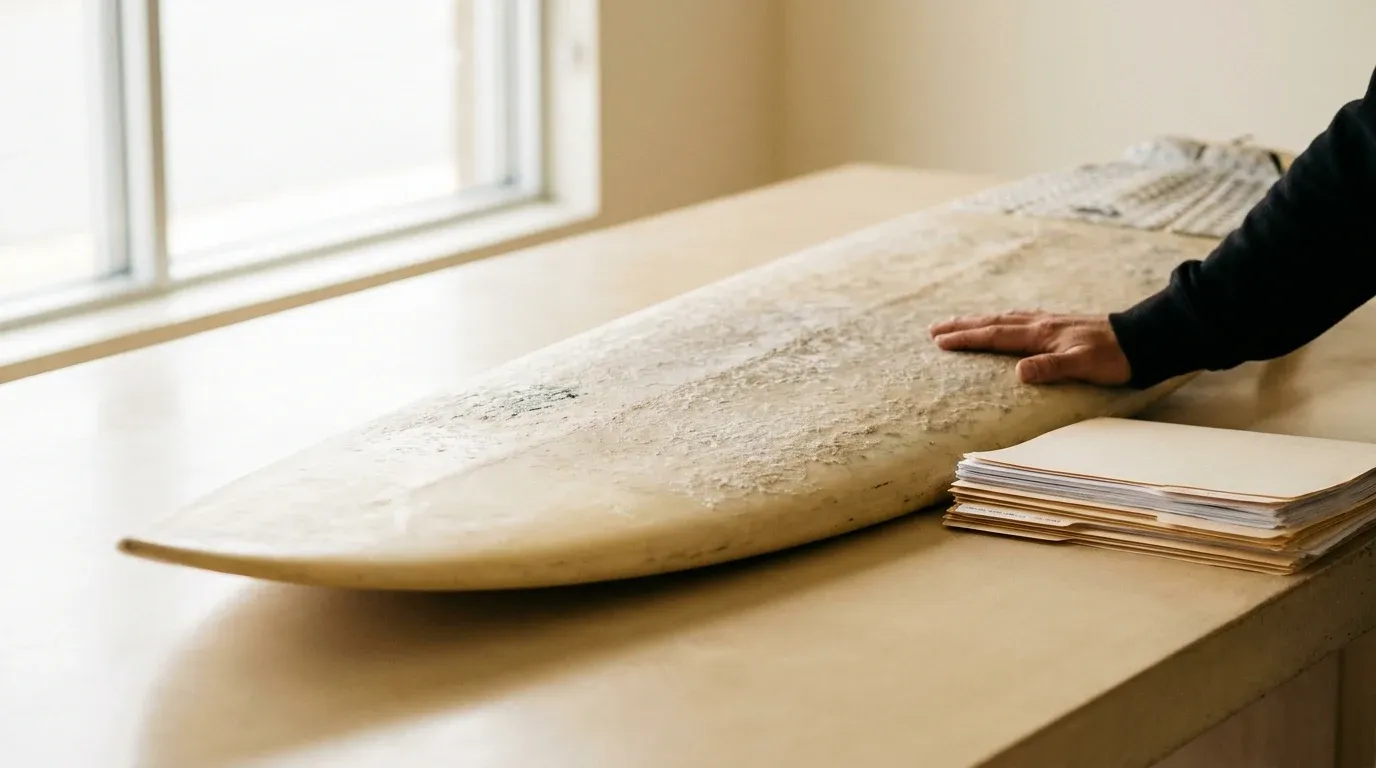
On November 2, 2026, KMD Brands confirmed it had entered an exclusivity agreement with Bluestar Alliance LLC for a potential full acquisition of all KMD shares. The announcement followed a strategic business review that KMD launched in May 2026, and it immediately raised a question the surf and outdoor activewear industry can't ignore: what happens to Rip Curl when an IP-focused holding company takes the wheel?
The short answer is that it probably won't look like surfing anymore. At least not from the inside.
What KMD Brands Actually Is
KMD Brands is the New Zealand-listed parent company of Rip Curl, the iconic Australian surf label, alongside Kathmandu and Oboz. Rip Curl is by far the most commercially recognizable asset in the portfolio. It carries a global retail footprint, an active licensing business, and decades of brand equity tied to surf culture, performance wetsuits, and outdoor apparel.
That equity is precisely the problem on a public balance sheet. KMD's share price had been underperforming investor expectations well before the May 2026 review was announced. Owned retail stores, inventory cycles, and direct distribution infrastructure are capital-intensive. They demand consistent operational execution. And in a market where investor patience for heritage sports labels has thinned considerably, those operational demands become a liability rather than a strength.
The strategic review was a signal. The exclusivity agreement with Bluestar is the confirmation.
Who Bluestar Alliance Is and Why It Matters
Bluestar Alliance is a New York-based brand management and licensing company. Its model is straightforward: acquire brand IP, strip out or minimize owned retail, and generate revenue through licensing partnerships with manufacturers, retailers, and distributors who handle the operational complexity. It's a capital-light structure that has become increasingly attractive to private equity and institutional investors over the past decade.
If that model sounds familiar, it should. Authentic Brands Group built the same framework into one of the most aggressive acquisition machines in consumer goods, absorbing everything from Sports Illustrated to Reebok and restructuring each around licensing rather than direct retail. Bluestar operates on a similar logic, though at a different scale. Its existing portfolio includes apparel and lifestyle brands that most consumers still recognize but that now generate revenue primarily through third-party licensing arrangements rather than company-owned stores.
For Rip Curl, the implication is significant. A brand that built its identity through owned surf shops, flagship stores in coastal markets, and a direct relationship with performance athletes could shift toward a model where the brand name appears on products it doesn't manufacture, sold in stores it doesn't operate, without the institutional knowledge that made those products credible in the first place.
A Pattern That's Been Building for Years
The KMD-Bluestar deal doesn't happen in isolation. It's the latest data point in a consolidation trend that has been reshaping performance lifestyle brands for several years. PE-backed IP consolidators have systematically identified heritage sports labels trading below their brand equity value on public markets, acquired them, and restructured their revenue models around licensing.
ABG's moves through 2025 and 2026 alone illustrate the appetite. The firm absorbed denim labels, sportswear brands, and specialty retail names at a pace that reflects how systematically these holding companies have mapped the market for undervalued heritage equity. Surf and outdoor activewear has long been on that map. The category has strong global recognition, loyal consumer bases, and product lines that translate well to licensing across apparel, accessories, and equipment. The operational overhead of running owned retail, however, has historically weighed down the financial returns that public investors expect.
This same dynamic is playing out across adjacent fitness sectors. Providence Buys Fitness Park: European Gym Consolidation Accelerates showed how private equity is applying similar logic to gym networks. Boutique fitness has seen its own version with Xponential's Poison Pill: What It Signals for Boutique Fitness M&A. The common thread across all of it is that brand equity and recurring IP-based revenue are what acquirers want. Physical infrastructure is increasingly what they're trying to avoid inheriting.
What the Licensing Model Does to a Performance Brand
It's worth being direct about the tradeoffs here, because they matter to anyone who sells, distributes, or competes alongside brands like Rip Curl.
The licensing model works efficiently at a financial level. It reduces capital requirements, eliminates the volatility of owned retail, and can generate predictable royalty streams from multiple partners simultaneously. For an investor holding IP, it's a compelling structure.
What it often sacrifices is product integrity and channel coherence. When brand guardianship shifts from an operator who controls the full consumer experience to a licensor who controls the IP and sets standards for partners who actually make and sell the product, quality consistency becomes harder to enforce. Distribution proliferates. The brand starts appearing in channels that dilute the original positioning.
Rip Curl's credibility in performance wetsuits, for example, is rooted in decades of product development tied directly to competitive surf. That kind of institutional knowledge doesn't transfer automatically to a licensing agreement. The name transfers. The know-how is a separate question entirely.
This is not a hypothetical concern. It's a documented pattern across other heritage sports brands that have passed through IP-focused holding structures. The brand survives. The performance positioning often doesn't.
The Signal for Brand Operators and Retail Executives
If you're running a fitness or outdoor brand, managing wholesale relationships, or making decisions about owned retail versus distribution partnerships, the Bluestar-KMD deal is a clear market signal. It tells you something specific about where value is being located in this industry right now.
Direct retail, inventory ownership, and owned distribution are appearing on acquirer balance sheets as costs rather than assets. Brand equity, licensing rights, and consumer recognition are the assets buyers are actually pricing. That inversion has real consequences for how performance brands should think about their capital structure, their operational footprint, and their long-term positioning.
The brands that will attract premium acquisition multiples in the next five years are almost certainly those that have built strong IP around a recognizable identity while keeping their operational overhead lean. The ones carrying large owned retail networks and complex distribution infrastructure may still be acquired. But they'll be acquired at prices that reflect the cost of restructuring, not the value of the brand.
This is the same logic driving investment patterns in connected fitness and wearables. WHOOP and Ultrahuman Show Where Wearable Money Is Going captures how capital is flowing toward recurring, asset-light revenue models in fitness technology. The same investor preference is now being applied to heritage apparel and surf brands. The category is different. The financial logic is identical.
What Happens to Rip Curl's Athlete and Consumer Relationships
Rip Curl has historically maintained meaningful relationships with professional surfers, surf competitions, and core surf culture communities. Those relationships are part of what gives the brand its licensing value in the first place. Without continued investment in them, the equity erodes, and the licensing model becomes self-undermining over time.
Bluestar will need to make a credible case that it intends to maintain those athlete and community relationships after an acquisition. Otherwise it's extracting value that accumulated over decades without replenishing it. That's a viable short-term financial strategy. It's not a viable long-term brand strategy.
For consumers who buy Rip Curl for performance reasons, that distinction matters. For investors evaluating the deal, it may matter less in the near term. That tension is exactly what defines this moment in performance lifestyle brand ownership.
What to Watch as the Deal Develops
The exclusivity agreement announced on November 2, 2026, is not a completed acquisition. It's a structured negotiation window. Several outcomes are still possible, including a deal that closes on terms favorable to Bluestar, a competing offer from another bidder, or a failed negotiation that sends KMD back to its standalone strategic review.
The indicators worth watching closely include:
- Whether a competing bid emerges. KMD's assets, particularly Rip Curl's brand equity, may attract interest from strategic buyers in the outdoor or sporting goods sector who would run the brand differently than a pure IP consolidator.
- How Kathmandu and Oboz are treated in any deal structure. If Bluestar is primarily interested in Rip Curl's surf IP, the other KMD brands could be carved out, sold separately, or managed differently within a combined entity.
- The terms of any transition plan for owned retail. The speed and method by which Bluestar would exit KMD's owned store footprint will signal how aggressively it intends to execute the IP-first playbook.
- Athlete and sponsorship contract continuity. Early announcements about existing athlete relationships will reveal how much of Rip Curl's core positioning Bluestar plans to preserve.
The broader consolidation trend isn't slowing. If anything, the pipeline of heritage outdoor and surf labels with underperforming public valuations gives IP-focused acquirers a substantial runway. 24 Hour Fitness Goes Premium: What Operators Can Learn is a useful parallel. When a major fitness brand repositions under new ownership, the strategic choices made in the first eighteen months tend to define the brand's trajectory for the decade that follows.
Rip Curl is entering that window now. The wave is already moving. The question is who's actually riding it.