
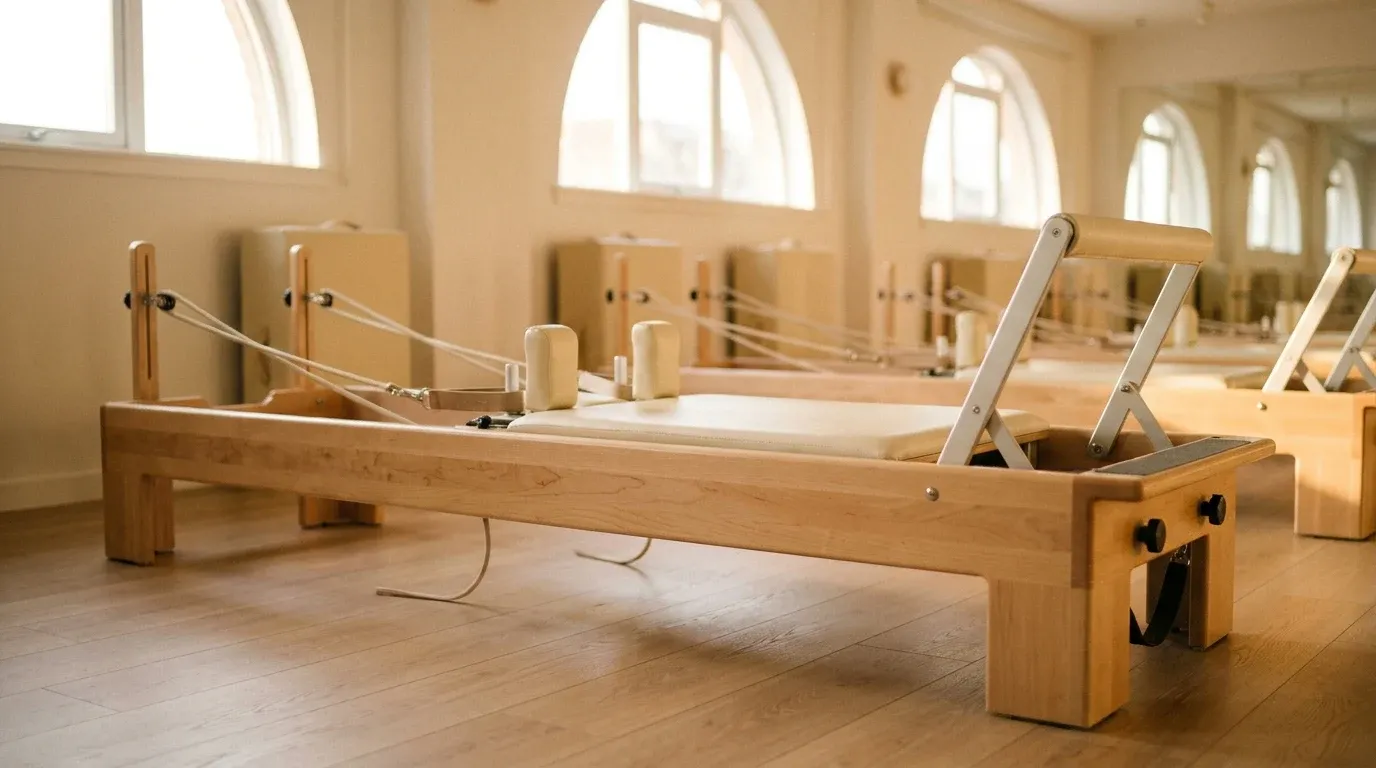
LA Fitness just hit a milestone that would have seemed unlikely five years ago: 200 Pilates by LA Fitness studios open and operating as of September 30, 2026. That number puts it among the largest reformer Pilates operators in the United States, full stop. Not just among big-box chains. Among all operators.
This isn't a side project or a test-and-learn pilot that got a little out of hand. It's a strategic commitment, and it's reshaping the competitive landscape for every gym owner, boutique operator, and independent Pilates studio in the country.
How We Got Here
The Pilates boom has been well-documented. Reformer classes have moved from niche rehabilitation tool to mainstream fitness category, driven by social media visibility, a growing body of evidence supporting low-impact resistance training, and a consumer base that's increasingly prioritizing longevity and functional movement over pure aesthetics.
What's changed in 2026 is who's capitalizing on that demand. For most of the past decade, independent boutique studios and dedicated Pilates brands captured the bulk of reformer revenue. Big-box chains largely watched from the sidelines, content to offer mat classes and leave reformer instruction to the specialists.
That posture is over. LA Fitness's 200-location footprint is the clearest signal yet, but it's not the only one.
A Sector-Wide Pivot, Not an Isolated Move
Crunch Fitness and EoS Fitness are both actively developing and launching their own in-house Pilates concepts. These aren't licensing deals with existing boutique brands. They're proprietary formats built to live inside existing club footprints, staffed by employees who already work within those chains' training ecosystems.
That distinction matters. When a big-box chain builds its own format rather than partnering with an outside brand, it retains full margin control, can standardize delivery at scale, and doesn't share revenue with a franchisor. The economics are fundamentally different from, say, a gym licensing a boutique concept to run inside its walls.
This mirrors a broader trend of consolidation and vertical integration that's been accelerating across the fitness industry. As private capital continues targeting gym businesses, chains with the balance sheet to absorb upfront equipment costs and buildout expenses are moving fast to capture categories that were previously dominated by independents.
And reformer Pilates is an expensive category to enter. A single commercial reformer typically runs $3,000 to $6,000. Outfitting a studio with 12 to 15 machines means a $45,000 to $90,000 equipment investment before you factor in instructors, specialized flooring, mirrors, and buildout. For a solo operator or a small boutique brand, that's a serious barrier. For LA Fitness, it's a line item.
The Pricing Problem for Independent Studios
Here's where it gets difficult for boutique operators. The traditional value proposition of an independent Pilates studio has been expertise, intimacy, and access. Small class sizes. Highly credentialed instructors. A premium experience that justified premium pricing.
That pricing has typically ranged from $30 to $50 per class at standalone reformer studios in major US markets, with monthly memberships at dedicated Pilates brands often running $150 to $300 depending on class frequency and location. The premium was defensible because reformer access wasn't available anywhere else.
Now it is. When a big-box chain bundles reformer Pilates into an existing membership at a fraction of that cost, the calculus for the consumer shifts. Not for everyone. But for enough people that independent operators need to take it seriously.
This is the same disruption pattern that played out with cycling studios when major chains started adding spin rooms, and with HIIT formats when franchises scaled concepts that boutiques had pioneered. The boutique operators who survived those waves did so by doubling down on what chains structurally can't replicate: personalization, community depth, and instructor relationships that go beyond a class booking.
What This Means If You Run a Boutique Studio
If you're operating an independent Pilates studio or a multi-format boutique that leans heavily on reformer classes, the strategic question has shifted. It's no longer primarily about equipment cost or class programming. It's about positioning and retention.
Chains are going to win on price and convenience. You're not going to out-cheap LA Fitness. What you can do is out-experience them, and out-retain them. The research on gym retention consistently shows that members who form genuine relationships with instructors and feel part of a specific community churn at significantly lower rates than those who view their membership transactionally.
That's a lever you have and a 200-location chain with standardized programming almost certainly doesn't. But you have to pull it intentionally. Instructor continuity, recognizing members by name, curating the social fabric of your studio. These aren't soft differentiators. They're your actual competitive moat.
It's also worth examining your membership structure. If you're still operating primarily on a drop-in or class pack model, the shift to recurring memberships with built-in retention incentives becomes more urgent as pricing pressure increases. Operators who've already built strong recurring revenue models are better positioned to weather this than those relying on transactional volume. The six-month retention cliff that affects gyms across formats hits boutique studios just as hard, and the chains entering your category are betting you haven't solved it.
The Instructor Quality Gap (and How Long It Lasts)
One area where independent studios genuinely hold an advantage right now is instructor quality and credentialing. Pilates instruction, particularly on the reformer, requires significant training. Comprehensive reformer certification programs typically require 450 to 600 hours of training, and qualified instructors in major markets command salaries that reflect that investment.
Big-box chains scaling quickly will face real challenges maintaining instruction standards across hundreds of locations. That gap is real today. It won't stay real forever. Chains have the resources to develop internal training pipelines and raise pay to attract certified talent. You should assume they will.
This means the window to establish your studio as the credentialing and quality benchmark in your market is now, not later. If you're not already communicating instructor qualifications clearly, building relationships with local physical therapists and healthcare providers for referrals, and positioning your studio as the medically informed option in your area, the time to start is before a Pilates by LA Fitness opens down the street.
The Bigger Picture for Gym Operators
For operators running traditional big-box facilities or multi-format gyms, the LA Fitness milestone is instructive in a different way. The chains that are winning in 2026 aren't the ones that picked a lane and stayed in it. They're the ones that watched where member spending was going and built the infrastructure to capture it internally.
The expansion of franchise networks is accelerating this dynamic. Large franchise deals like Gold's Gym's 15-unit expansion in Southern California reflect the same logic: operators with scale and capital are moving to consolidate market share before the landscape settles. Pilates is one revenue stream. Recovery services, nutrition coaching, and longevity programming are others that follow the same pattern.
If you're running a gym that doesn't yet have a reformer Pilates offering and you're in a market where demand exists, the question isn't whether to add it. The question is whether you can do it in a way that's genuinely differentiated, or whether you're simply adding equipment and hoping members notice.
Format and positioning are now the strategic variables. The equipment cost question, while still real, has been answered by the chains: they'll absorb it. New training concepts entering the US market are also watching how the Pilates expansion plays out, using it as a blueprint for how to scale quickly within existing facility footprints.
Where This Heads Next
The 200-studio milestone for LA Fitness almost certainly isn't the ceiling. Chains that have made this kind of infrastructure investment don't stop at round numbers. They optimize, they iterate, and they expand further into markets where the format proves out financially.
Watch for the next phase to involve tiered class structures within big-box Pilates offerings. Chains will likely introduce premium small-group or semi-private sessions at additional cost, effectively recreating the boutique pricing model as an upsell inside their own membership ecosystem. That's the logical next step, and it narrows the gap further.
For independent operators, the answer isn't panic. It's clarity. Know exactly who your member is, why they're choosing you over a cheaper option, and what would genuinely change if they left. Build around those answers. The chains are scaling a format. You're building a community. Those aren't the same thing, and the distinction still matters to the right member.
But only if you make it obvious.