
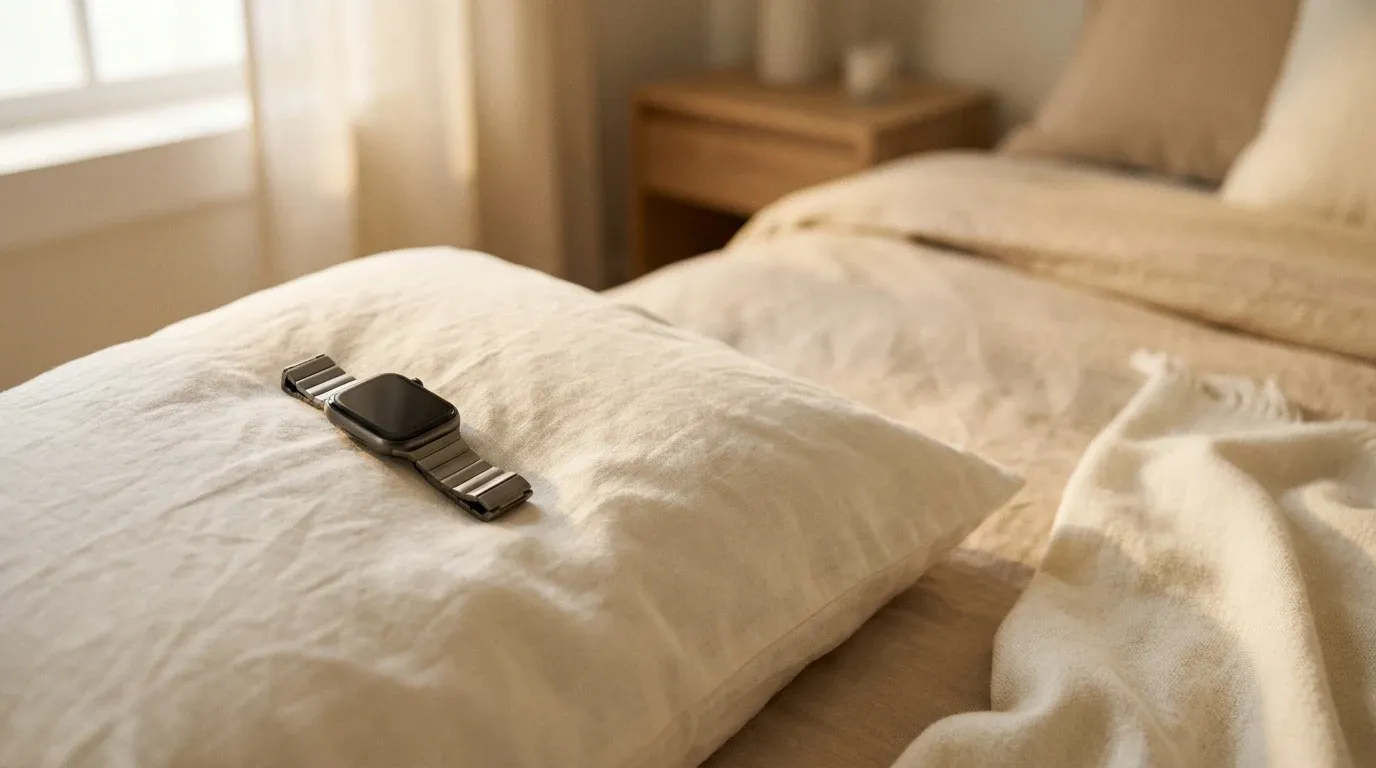
A condition that quietly disrupts millions of lives every night is finally getting a tool that works while you sleep. A large-scale study using Samsung Health data found that 23% of users show measurable risk signals for sleep apnea, a figure that points to something the medical community has long suspected: most people who have this condition have no idea.
That's not a minor gap in awareness. Sleep apnea is linked to elevated cardiovascular risk, metabolic dysfunction, impaired cognitive performance, and chronic fatigue. And for most of its history, catching it early required a night in a sleep lab. That barrier is now starting to fall.
Why Sleep Apnea Goes Undetected for So Long
Sleep apnea affects an estimated 936 million adults worldwide, according to research published in The Lancet Respiratory Medicine. Despite that scale, it remains one of the most underdiagnosed conditions in modern medicine. The reasons are straightforward: the symptoms are easy to dismiss, and the standard diagnostic path is genuinely inconvenient.
Traditional diagnosis requires an overnight polysomnography study, conducted in a clinical setting with sensors attached across your body, in a bed that isn't yours, while technicians monitor your data from another room. Even when patients suspect a problem, many delay or decline testing entirely. Others never get referred at all.
The result is a massive pool of people who wake up exhausted, struggle with mood and focus, and attribute it to stress, poor habits, or simply getting older. Some turn to recovery strategies and supplements to compensate for sleep deficits they don't realize have a treatable root cause. The underlying issue stays hidden.
It's worth noting that poor sleep doesn't just make you feel bad. It actively undermines physical adaptation. If you're training consistently but not recovering well, disrupted sleep architecture is one of the first places to look. As covered in what to do in the first 24 hours after a hard workout, quality sleep is where the most critical repair processes happen, and interruptions during those cycles can stall progress significantly.
What the Samsung Health Study Actually Found
Samsung's global study analyzed data from a large cohort of Galaxy Watch users and flagged nearly one in four as showing physiological signals associated with sleep apnea risk. The key metric driving those flags is blood oxygen saturation, specifically, how much it fluctuates during sleep.
In people without apnea, blood oxygen levels remain relatively stable overnight. In people with apnea, breathing pauses cause oxygen levels to drop repeatedly. These desaturation events, even brief ones, stress the cardiovascular system and fragment sleep architecture, preventing the deep, restorative phases the body needs.
The study's scale matters. This wasn't a small clinical trial. It pulled from a real-world, global user base, which means the 23% figure reflects everyday people, not patients already presenting with symptoms at a clinic. That suggests the true prevalence in the general population may be higher than current diagnosis rates indicate.
How the Galaxy Watch BioActive Sensor Does the Work
The hardware making this possible is Samsung's BioActive Sensor, found in recent Galaxy Watch models. The sensor uses photoplethysmography (PPG) to measure blood oxygen levels continuously while you sleep, alongside heart rate variability and movement data. Together, these inputs allow the watch to detect patterns consistent with obstructive sleep apnea.
The FDA cleared Samsung's sleep apnea detection feature for use in the United States in 2024, applying to Galaxy Watch 6 and later models. Users who meet age requirements and have no prior diagnosis can enable the feature in the Samsung Health app, which then analyzes two nights of data before generating an assessment.
The device doesn't diagnose. It screens. That distinction matters. A positive flag from the watch tells you it's worth talking to a doctor, not that you definitively have the condition. But that nudge, delivered passively while you sleep, is what can finally move someone from vague suspicion to a clinical conversation.
It's a fundamentally different model than waiting for a referral. The watch collects data every night, in your own environment, without disrupting your routine. For people who would never voluntarily book a sleep study, that's a meaningful shift in how early detection can happen.
Why Earlier Detection Changes Health Outcomes
The downstream effects of untreated sleep apnea extend well beyond feeling tired. Chronic oxygen desaturation during sleep elevates blood pressure, increases inflammation markers, disrupts glucose regulation, and raises the risk of atrial fibrillation and stroke. Research consistently links moderate-to-severe untreated apnea with significantly higher rates of cardiovascular events over time.
Earlier detection changes that equation. When apnea is caught before it's been silently progressing for a decade, treatment options are broader and outcomes are better. Continuous positive airway pressure (CPAP) therapy remains the gold standard for moderate and severe cases, and adherence rates improve significantly when patients understand the severity of what they're managing.
For milder cases, lifestyle interventions, positional therapy, and oral appliances can be highly effective. Weight management is another lever; excess weight around the neck and airway is one of the strongest modifiable risk factors for obstructive apnea. The connection between metabolic health and sleep quality runs in both directions, which is why some clinicians are now looking at GLP-1 medications and their effects on sleep apnea risk as part of a broader metabolic picture. The emerging science around these interventions is something worth understanding, as explored in this overview of what the science actually supports on GLP-1 supplements.
Sleep quality also has a direct relationship with stress physiology. Fragmented sleep elevates cortisol, keeps the nervous system in a heightened state, and reduces the body's ability to self-regulate. People who treat their apnea often report significant improvements in mood, anxiety levels, and cognitive clarity within weeks. For those already working on stress reduction, what neuroscience says about short stress resets offers relevant context on how the nervous system recovers when given the right conditions.
The Broader Shift: Wearables as a First Line of Screening
Samsung isn't alone in this space. Apple has pursued similar respiratory monitoring features, and a growing number of research institutions are validating consumer wearables as legitimate tools for population-level health screening. The accuracy of PPG-based oxygen monitoring has improved substantially in recent hardware generations, and the algorithms interpreting that data are now sophisticated enough to produce clinically meaningful outputs.
This matters because access to healthcare is uneven. A sleep lab study in the US typically costs between $1,000 and $3,500 without insurance, and wait times can stretch for months. A Galaxy Watch that includes FDA-cleared sleep apnea screening retails starting around $300. That's not a perfect substitute for clinical diagnosis, but it's a credible first step that costs a fraction of traditional testing and happens automatically.
The implications are particularly significant for populations that historically avoid clinical settings, men in midlife being one example, who frequently dismiss fatigue symptoms and delay seeking care. Wearable screening removes the friction from that first step entirely.
What to Do If Your Watch Flags a Risk
If Samsung Health generates a sleep apnea risk alert, the next step is straightforward: bring the data to your primary care physician. Most providers will order a home sleep apnea test, which is far more convenient than an in-lab study and covered by most insurance plans when there's documented clinical suspicion.
In the meantime, a few lifestyle adjustments are worth making regardless of diagnosis. Sleeping on your side rather than your back reduces airway collapse in many people. Avoiding alcohol close to bedtime matters, since alcohol relaxes the muscles around the airway and worsens breathing events. Consistent sleep timing helps stabilize sleep architecture and reduces the severity of symptoms.
If you're also dealing with the physical effects of chronic poor sleep on your training performance, it's worth reviewing how sleep fits into your broader recovery framework. The relationship between sleep, hormone output, and muscle adaptation is direct. Older adults in particular are affected, since the neuromuscular changes that come with age are compounded by sleep disruption, as detailed in this analysis of why muscles lose strength with age.
The Bottom Line
One in four Samsung Health users showing sleep apnea risk signals isn't a statistic to scroll past. It reflects a condition that's been hiding in plain sight for decades, protected by a diagnostic process that made it easy to avoid. Wearable sensors are changing that equation by bringing screening into daily life, without effort, without a clinic, and without waiting for symptoms to become severe enough to demand attention.
Your watch won't replace your doctor. But it might be the thing that finally gets you in the door. And for a condition with consequences as serious as sleep apnea, that first step is the one that matters most.