
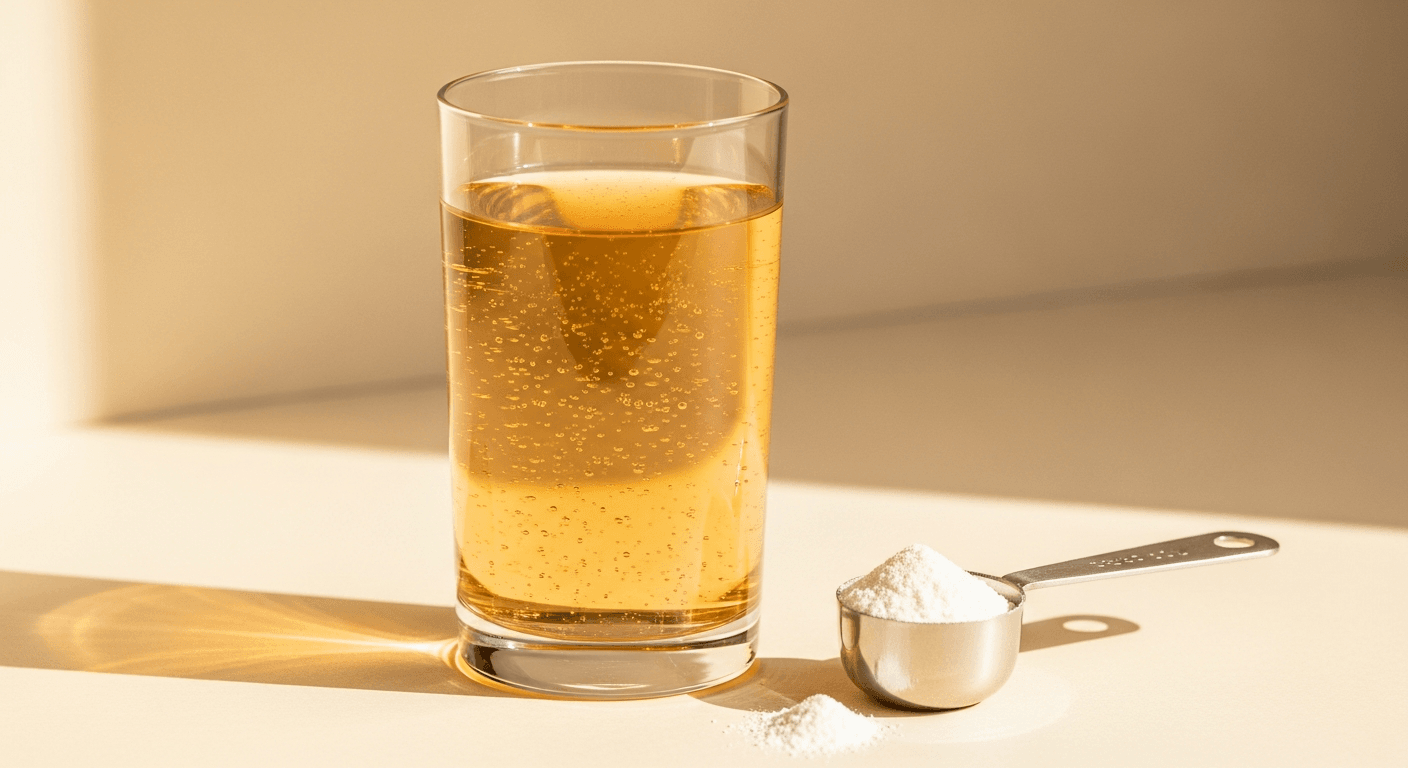
Walk through any supplement retailer right now and you'll notice a new kind of product stacking the shelves. Clear whey protein isolates, marketed as juice-like alternatives to thick shakes, have moved from niche curiosity to a full category in the span of a few years. Brands like Muscle Sport are actively competing in this space, and the products look genuinely different. But looking different and being better are not the same thing.
Before you swap your current protein routine, here's what the science and the numbers actually say.
What Clear Whey Actually Is
Clear whey isolate starts with the same raw material as standard whey protein isolate: whey, the liquid byproduct of cheese production. The difference lies in how it's processed. Clear whey is filtered at a low pH, which denatures the proteins responsible for the cloudy, creamy texture of conventional shakes. The result is a product that, when mixed with water, produces something closer to a flavored sports drink than a meal-replacement shake.
The protein content per serving is comparable to standard isolates, typically landing in the 20 to 25 grams range. Most clear whey products also carry a similar macronutrient breakdown: low fat, low carbohydrate, high protein by weight. On paper, the nutrition label looks almost identical to what you'd find on a conventional isolate tub.
That similarity is the first important thing to understand. You're not getting a fundamentally different product nutritionally. You're getting the same protein in a different physical state.
The Amino Acid Profile: Nearly Identical
One of the most common marketing angles for clear whey is that it's a "premium" or "advanced" form of protein. The implication is that something about the format makes it more effective. The evidence doesn't support that framing.
When the source material is whey protein isolate, the amino acid profile is essentially the same whether you're drinking a clear product or a creamy shake. Both deliver a complete profile of essential amino acids, including the leucine content critical for muscle protein synthesis, typically around 2 to 2.5 grams per serving. The low-pH processing that creates the clear texture doesn't meaningfully alter the amino acid composition or the digestibility of the protein.
Research on protein absorption rates between different whey formats hasn't identified a clinically significant difference in net muscle protein synthesis outcomes when total leucine and essential amino acid content are matched. The upgrade, in functional terms, is primarily sensory. That's not nothing. But it's worth naming clearly.
Who's Actually Buying Clear Whey (And Why)
The growth of this category isn't random. It maps onto a real shift in how a specific group of athletes thinks about nutrition and palatability.
Endurance athletes, hybrid competitors, and HYROX participants have been among the earliest adopters. The reason is intuitive: when you've just finished a long training block, a thick, dairy-heavy shake can feel actively unpleasant. A lightly flavored, juice-like drink sits differently on a fatigued stomach. That's a legitimate functional consideration, not just aesthetics.
This same population tends to be more thoughtful about hydration strategies. If you're already optimizing fluid intake around training, a protein source that doubles as a hydrating beverage rather than a semi-solid meal has practical appeal. For context on how hydration nuance plays out in endurance contexts, Endurance Hydration: Why Generic Rules Are Costing You covers how individual sweat rate variation should be driving your fluid strategy, not generic guidelines.
There's also a consumer fatigue factor at play. After years of hyper-caloric, heavily flavored protein shakes marketed with an almost aggressive density, a significant portion of supplement buyers want something lighter. That preference is real, even if it's not rooted in a nutritional need.
The Transparency Trend Behind the Category
Clear whey sits inside a broader 2026 consumer shift toward functional beverages. Across the supplement and sports nutrition market, there's measurable momentum away from thick, meal-replacement-style shakes and toward lighter, drink-adjacent formats. Ready-to-drink protein waters, amino acid beverages, and electrolyte products with added protein have all posted strong growth over the past 18 months.
This isn't just an aesthetic preference. It reflects a wider recalibration of what athletes expect from their nutrition products. The blurring of lines between hydration products and protein products is real, and clear whey is one of the more direct expressions of it.
If you're thinking about how this fits into a complete nutrition approach, particularly around training timing, Carb Timing for Endurance Athletes: What Actually Works is worth reading alongside any protein strategy you're building. The two macronutrients interact, and sequencing matters.
The Price Premium: Real and Significant
Here's where the calculus gets harder to justify for most athletes. Clear whey protein isolates consistently run 15 to 25 percent more expensive per gram of protein than comparable standard isolates. Across a full month of supplementation, that gap is meaningful.
To put concrete numbers on it: a high-quality standard whey isolate delivering 25 grams of protein per serving typically costs in the range of $1.20 to $1.60 per serving at retail. Comparable clear whey products from established brands are frequently priced between $1.80 and $2.20 per serving for the same protein yield. Over 30 servings, that's a difference of $18 to $36 per month for no additional functional benefit if your primary goal is muscle protein synthesis or recovery.
For athletes who are highly cost-conscious about their supplement spend, that premium is difficult to justify on performance grounds alone. The sensory experience is better for some people. The convenience factor in certain training contexts is real. But the protein is doing the same job.
If you're tracking protein and creatine spend together as part of a structured nutrition plan, Protein, Creatine and Timing: The Combat Sports Nutrition Guide breaks down how to think about overall supplement budget relative to training goals, a framework that applies well beyond combat sports.
When Clear Whey Makes Sense
There are specific scenarios where paying the premium is defensible.
- Post-training nausea: If you regularly experience GI discomfort after hard sessions, a lighter, juice-like protein source may genuinely improve your adherence to hitting protein targets. Consistent protein intake matters more than format optimization.
- Heat and humidity: In warm climates or during summer training, the idea of a cold, refreshing protein drink is far more appealing than a shake. If the sensory appeal keeps you drinking it, it's doing its job.
- Layering with other supplements: Clear whey mixes better with certain electrolyte or carbohydrate products than a creamy base would, which can simplify your intra- or post-workout nutrition logistics.
- Dietary monotony: If supplement fatigue is causing you to skip protein servings, a different format can reset your consistency. That's a practical argument for variety.
What clear whey doesn't offer is superior muscle-building outcomes, faster absorption, or a meaningfully better amino acid profile. If those are your primary decision criteria, the standard isolate wins on value every time.
The Broader Question of Supplement Novelty
Clear whey is a useful lens for thinking about how supplement marketing works more generally. A genuine processing innovation gets introduced, it offers a real but narrow benefit (palatability, texture, versatility), and the marketing language inflates that benefit into something closer to a performance revolution.
That pattern shows up across the nutrition category. Consumers who are skeptical about ingredient sourcing and label claims in ultra-processed food contexts sometimes apply less scrutiny to sports supplements, even though the same principles of critical evaluation apply. For a broader perspective on how to evaluate nutrition product claims, Ultra-Processed Foods: What Practitioners Say in 2026 provides useful framing from practitioners working at the intersection of food science and clinical nutrition.
The question to ask about any supplement innovation is specific: does this change produce a measurable improvement in the outcome I care about? For clear whey, the honest answer depends entirely on what you're optimizing for. If it's cost per gram of protein and muscle protein synthesis, standard isolates are the rational choice. If it's palatability, training-day compliance, and fitting into a lighter beverage-forward routine, clear whey earns its place.
The Bottom Line
Clear whey protein isolate is a legitimate product backed by the same protein source as conventional whey. The processing difference produces a real change in texture and experience, not a real change in nutritional function. The amino acid profile is effectively identical when the isolate source is matched. The price premium runs 15 to 25 percent higher without a corresponding performance advantage.
For most athletes whose primary goal is hitting daily protein targets efficiently, a high-quality standard whey isolate remains the better value. Clear whey earns consideration when palatability is a genuine barrier to consistency, when training conditions make lighter beverages preferable, or when you're building a more complex intra-workout nutrition stack that benefits from a clean-mixing protein base.
It's a sensory upgrade with a real use case. It's not a nutritional revolution. Spend accordingly.