
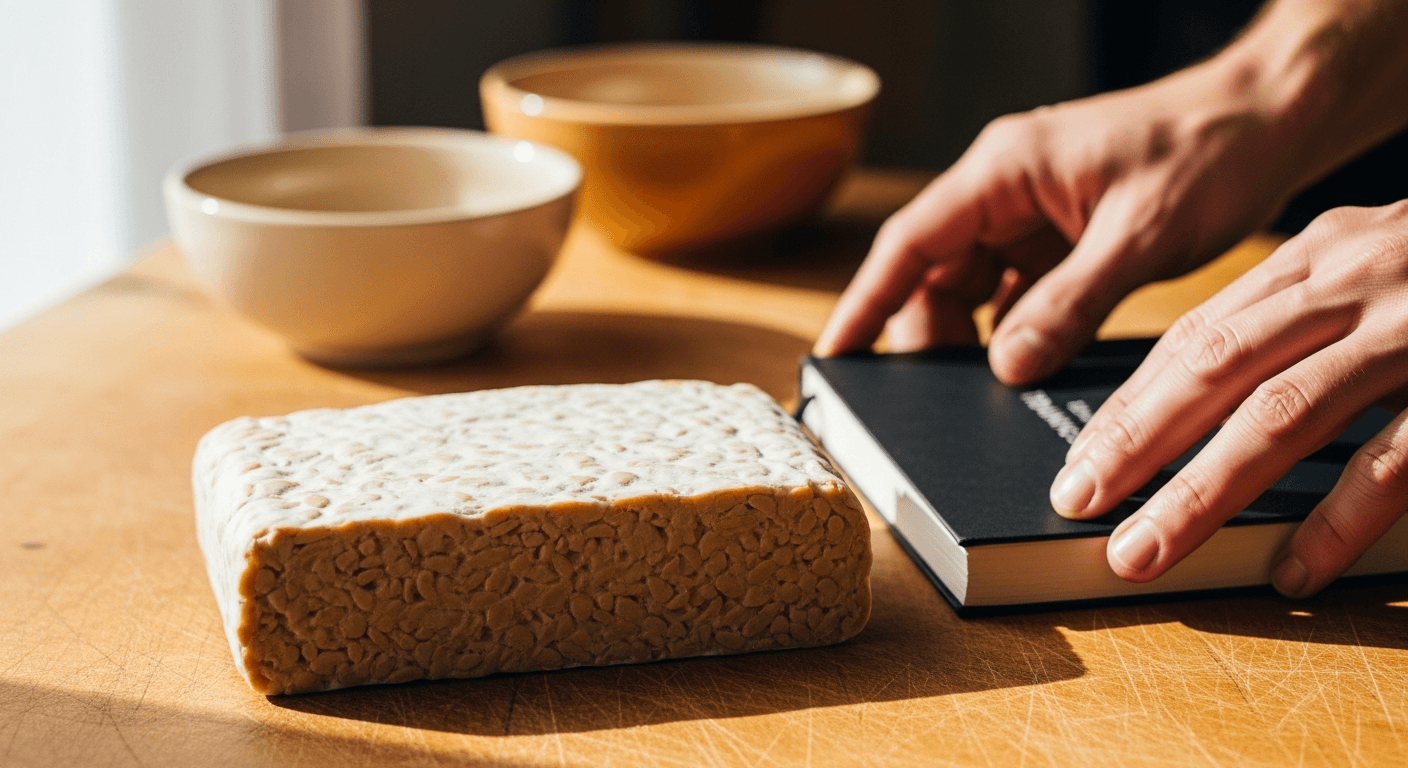
Fermented foods have earned a permanent place in sports nutrition conversations, but the science behind them is finally catching up to the hype. New research published in 2026 on tempeh fermentation confirms what many nutritionists suspected: not all fermented products are equal, and the way food is processed directly shapes what your body can actually absorb and use. For athletes, that distinction matters.
Here's what the latest evidence says, and how to translate it into daily habits that support both gut health and performance.
Why Fermentation Changes the Nutritional Math
Fermentation is essentially a controlled breakdown process. Bacteria, yeasts, or molds consume carbohydrates and proteins in raw ingredients, transforming them in ways that improve their nutritional profile for the human digestive system.
One of the most significant effects is the reduction of anti-nutritional factors. Phytic acid, found in legumes and grains, binds to minerals like zinc, iron, and magnesium, blocking their absorption. Fermentation degrades phytic acid substantially, releasing these minerals for actual uptake. The same process improves bioavailability of amino acids and generates B vitamins, including folate and riboflavin, as metabolic byproducts of microbial activity.
For athletes training hard and placing elevated demands on recovery systems, those improvements aren't trivial. Zinc supports testosterone production and immune function. Magnesium drives muscle relaxation and sleep quality. B vitamins are central to energy metabolism. Fermentation doesn't just add microbes to your food. It fundamentally upgrades the food's nutritional output.
This connects directly to a broader pattern worth understanding: the degree of processing applied to food shapes what you actually get from it. As covered in Ultra-Processed Food and Muscle: The Real Impact on Strength, highly processed products often strip or degrade the very nutrients athletes rely on most.
The 2026 Tempeh Study: Why Sourcing Now Matters
A 2026 study on tempeh fermentation delivered a clear and somewhat uncomfortable finding: commercial tempeh products vary widely in their actual nutritional value depending on fermentation duration, starter culture strains, and processing conditions after fermentation. Two packages of tempeh sitting on the same shelf can have measurably different amino acid profiles and mineral bioavailability.
The variables that made the biggest difference were fermentation time and whether the product was heat-treated post-fermentation in ways that destroyed live cultures or disrupted nutrient structures. Tempeh fermented for 36 to 48 hours under consistent temperature control showed significantly higher protein digestibility compared to batches fermented for shorter periods or under variable conditions.
What this means practically: you can't assume quality based on category alone. Label literacy becomes a real skill. Look for products that disclose fermentation method or duration. Brands that are vague about their process are often cutting corners on time or temperature control. Buying from specialty stores or local producers who can describe their process is worth the modest premium, often $1 to $3 more per package compared to mass-market versions.
The Top Fermented Foods for Athletes, Ranked by Evidence
Not every fermented food serves the same purpose. Here's how the evidence stacks up across the most accessible options.
- Tempeh. The strongest evidence base for athletes right now. It's a complete protein source with high digestibility when properly fermented, delivers significant iron and zinc, and contains isoflavones with mild anti-inflammatory properties. Best used post-workout in savory meals. Aim for 3 to 4 servings per week.
- Kefir. A fermented milk drink with a diverse microbial profile and high protein content. Studies consistently show that kefir improves intestinal permeability markers and supports immune resilience during heavy training blocks. The lactose is largely broken down during fermentation, making it tolerable for many who struggle with dairy. Works well as a post-workout recovery drink or morning protein source.
- Kimchi. A fermented vegetable preparation rich in lactic acid bacteria and fiber. Evidence links regular kimchi consumption to reduced systemic inflammation and improved gut microbiome diversity. It's low in calories but high in impact. Use it as a daily condiment or side dish rather than a protein source.
- Miso. A fermented soybean paste that delivers B vitamins, manganese, and copper alongside its probiotic content. Sodium content is significant, which can actually be useful for athletes replacing electrolytes post-sweat, but worth tracking if you're monitoring overall intake. A small serving dissolved in hot water as a broth works well before or after training.
- Plain yogurt. The most accessible entry point. Fermented dairy yogurt containing live cultures provides casein protein, calcium, and phosphorus. The key is plain, unsweetened varieties. The added sugar in flavored yogurts largely cancels out the metabolic benefit you're looking for. Greek-style yogurt offers a higher protein concentration per serving.
B Vitamins, Immunity, and Why It Connects
One underappreciated angle in fermented food research is the immune system connection. B vitamins generated during fermentation, particularly B3, play a role in supporting natural killer cell function, which is part of your first-line immune defense. Athletes training at high volume are chronically at risk for immune suppression, particularly during and after competition cycles.
For a deeper look at how B3 specifically interacts with immune cell activity, Vitamin B3 and NK Cells: What the New Study Means breaks down the recent research clearly. Fermented foods won't replace targeted supplementation in cases of deficiency, but they're a consistent dietary source of these cofactors without the dosing complexity of standalone supplements.
Protein Context: What Athletes Actually Need
Tempeh and kefir are meaningful protein contributors, but they work within a broader protein strategy rather than replacing it. A 100g serving of well-fermented tempeh delivers roughly 19 to 20g of protein with a digestibility score that now rivals animal sources in optimal fermentation conditions. That's significant, especially for athletes managing plant-forward diets.
If you're calibrating your total protein needs around training load, Protein for Women: The No-BS Practical Guide offers precise intake frameworks that apply directly to how fermented foods can slot into your daily targets.
How to Actually Add Fermented Foods to Your Training Nutrition
The practical integration question is where most athletes stall. Here's a straightforward framework by meal timing.
Pre-workout (1 to 2 hours before): Keep fermented foods light. A small serving of plain yogurt with fruit, or a cup of miso broth, provides B vitamins and easy-to-absorb minerals without loading your digestive system before exertion. Avoid large servings of high-fiber fermented vegetables like kimchi immediately before training if you're prone to GI sensitivity.
Post-workout (within 60 minutes): This is your best window for tempeh and kefir. Pair tempeh with a carbohydrate source like rice or sweet potato to drive nutrient uptake. Kefir blended with frozen banana and a tablespoon of nut butter delivers protein, fast-absorbing carbs, and live cultures in a format that takes two minutes to prepare. For a broader recovery framework, Post-Marathon Recovery: How Long You Actually Need outlines how nutrition timing fits into full recovery cycles after high-output efforts.
Daily baseline: Aim for at least one fermented food per day outside of workout timing. Kimchi with eggs at breakfast, yogurt as a snack, or miso stirred into a soup at dinner all count. Consistency matters more than quantity. Research on gut microbiome diversity shows that regular low-dose exposure to diverse fermented foods produces better microbial diversity outcomes than occasional large servings.
What to Watch Out For
A few common mistakes athletes make when adding fermented foods to their nutrition plan.
- Heat kills live cultures. Adding kimchi or miso to a dish that's actively boiling destroys much of the probiotic value. Stir them in after removing the pan from heat.
- Pasteurization neutralizes the microbes. Many commercially shelf-stable "fermented" products have been pasteurized, which extends shelf life but eliminates live cultures. Look for labels that say "contains live and active cultures" or "unpasteurized."
- Flavored versions undermine the benefit. Yogurt with added fruit syrups, sweetened kefir drinks, and miso-flavored sauces often contain enough sugar or additives to offset the nutritional advantage. Read ingredient lists, not just front-panel marketing.
- Starting too fast disrupts the gut. If you're not currently eating fermented foods regularly, introducing large amounts quickly can cause temporary bloating and gas as your gut microbiome adjusts. Start with one small serving daily and build over two to three weeks.
Building a Sustainable Fermented Foods Habit
Fermented foods don't require a complete nutrition overhaul. They slot into existing meals without added complexity once you know what you're looking for. The 2026 tempeh research is a useful reminder that food quality still requires attention, even within categories that carry a health reputation.
The practical standard: buy fermented products from producers who are transparent about their process. Prioritize unpasteurized or live-culture labeled options. Use heat-stable fermented ingredients like tempeh in cooked meals and preserve live-culture foods like kimchi and kefir from direct heat. And keep expectations realistic. Fermented foods support your gut architecture and nutrient absorption over time. They're infrastructure, not a quick fix.
That consistency-over-intensity logic applies to recovery broadly. Whether it's gut health, strength building, or sleep quality, the adaptive gains come from repeated low-stress inputs, not acute overloads. The gut microbiome responds to daily patterns. Give it consistent material to work with, and the performance payoff follows.