
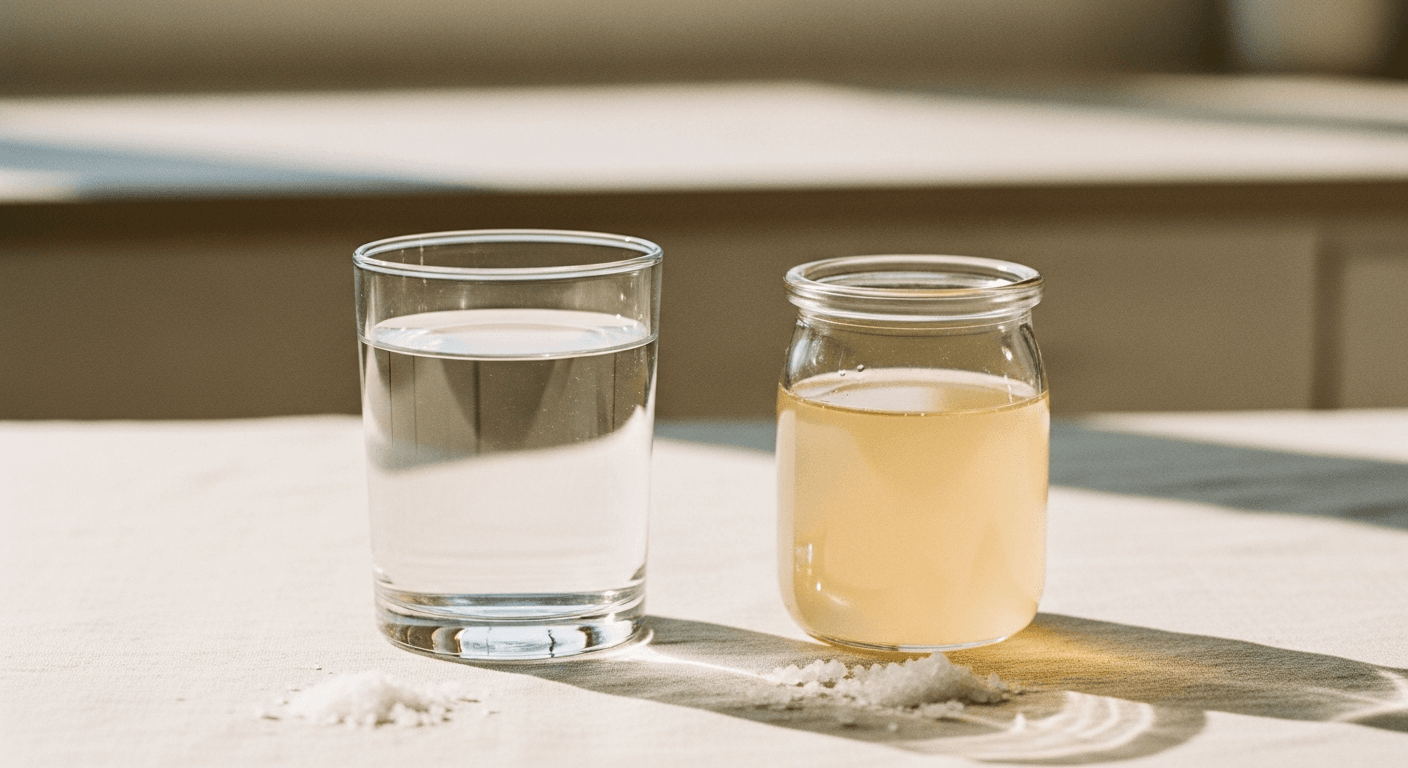
The sports drink industry spends billions convincing you that every workout demands electrolytes. The reality is more nuanced, and a lot cheaper. Whether you need plain water or an electrolyte product comes down to three variables: how long you're training, where you're training, and how much you sweat. Get that framework right and you'll never overpay for hydration again.
Why Sodium Is the Only Electrolyte You Actually Need to Think About
Sweat contains several electrolytes, including potassium, magnesium, and calcium. But sodium is lost in concentrations that dwarf every other mineral. During exercise, sweat sodium concentration ranges from roughly 200mg to over 1,000mg per liter depending on the individual. Potassium loss, by comparison, is a fraction of that.
Sodium is also the electrolyte that drives thirst, maintains plasma volume, and prevents hyponatremia, the dangerous condition where blood sodium drops too low. That last point matters more than most athletes realize. Drinking large volumes of plain water during a long event without replacing sodium can actually dilute blood sodium to dangerous levels. This is not a hypothetical risk. It has caused deaths in endurance events.
For practical purposes, when people ask whether they need electrolytes, they're really asking whether they need sodium. The rest of the electrolyte profile in most sports drinks is largely marketing filler.
The 60-Minute Rule: When Water Is Enough
For the majority of training sessions, plain water is the right answer. If your workout is under 60 minutes at moderate intensity, your body's existing sodium stores, combined with a normal diet, are more than sufficient to carry you through without any electrolyte supplementation.
Research consistently supports this threshold. Sessions under an hour don't generate enough sweat volume or sodium loss to meaningfully deplete your reserves. You'll replace whatever you lost at your next meal. The sports drink you're considering for your 45-minute gym session is a $3 purchase you don't need.
This applies broadly across workout types. A 50-minute weight training session, a moderate jog, a low-impact cardio workout like trampoline HIIT, or a yoga class: none of these require anything beyond water for hydration. The marketing on the bottle is designed for a different athlete doing a different kind of work.
When the Calculus Shifts: Heat, Humidity, and Longer Sessions
Two factors override the 60-minute rule quickly: environmental heat and session duration beyond 90 minutes.
Training in hot or humid conditions accelerates sweat rate dramatically. A runner who loses 1 liter per hour in mild weather might lose 1.5 to 2 liters per hour in summer heat. That extra sweat volume means extra sodium loss, and it happens faster than your body can adapt. If you're training outdoors in summer, doing a hot yoga class, or working out in a gym without air conditioning, you should treat your session more conservatively in terms of sodium replacement, even if it's only 45 to 60 minutes long.
Beyond 90 minutes of continuous exercise, electrolyte replacement becomes relevant for nearly everyone regardless of conditions. At that duration, cumulative sodium losses start affecting plasma volume and muscle function. You'll notice it as fatigue that feels disproportionate to your effort, or as cramping that plain water doesn't resolve.
High-volume training also stresses recovery systems in ways that compound over a week. If you're stacking hard sessions daily, keeping your recovery fundamentals sharp starts with getting your fluid and sodium balance right session by session.
High Sweat Rates: A Real Performance and Safety Factor
Sweat rate is highly individual. Some athletes lose less than 500mg of sodium per hour. Others, sometimes called "salty sweaters," can lose up to 2,000mg per hour. You've seen them: the athletes whose shirts show white residue after a session. That crust is crystallized sodium.
If you're a high sweater, plain water during long or hot efforts isn't just suboptimal. It's a performance and safety risk. Studies on endurance athletes have found that sodium losses of this magnitude, when replaced only with plain water, can reduce exercise capacity, impair thermoregulation, and increase the risk of cramping and hyponatremia.
How do you know if you're a high sweater? Informal signs include: visible salt residue on skin or clothing after exercise, excessive thirst that water doesn't fully satisfy, frequent cramping during long efforts, and feeling disproportionately fatigued in heat. More precise measurement involves weighing yourself before and after a session, where each pound of weight lost approximately equals 16 fluid ounces of sweat. A loss of 2% or more of body weight in a single session warrants serious attention to your electrolyte strategy.
The Decision Framework: Duration + Environment + Sweat Rate
Here's the concrete framework. Work through these three questions before your next session.
Step 1: How long is your session?
- Under 60 minutes: water is sufficient for most people. Stop here unless heat or sweat rate changes the answer.
- 60 to 90 minutes: water is probably fine in cool conditions. Consider electrolytes if you're a known high sweater or training in heat.
- Over 90 minutes: electrolyte replacement is recommended regardless of conditions. Plan for 300 to 500mg of sodium per hour of effort.
Step 2: What are the environmental conditions?
- Cool and temperate: no adjustment needed to the duration-based decision above.
- Hot or humid (above 80°F / 27°C, or high humidity): shift your threshold down by 20 to 30 minutes. A 45-minute effort in heat demands the same sodium attention as a 70-minute effort in cool weather.
- Extreme heat or altitude: consider starting with electrolytes from the beginning of any session over 30 minutes.
Step 3: What is your sweat rate?
- Low to average sweater: follow the thresholds above.
- High sweater with visible salt residue or confirmed losses above 1.5 liters per hour: add electrolytes to any session exceeding 45 minutes in heat, and any session exceeding 75 minutes in any conditions.
The sport itself doesn't determine your needs. A cyclist and a tennis player training for the same duration in the same heat with the same sweat rate have essentially identical electrolyte requirements. The framework above applies across all training types.
What to Actually Buy (and What to Skip)
If the framework tells you that you do need electrolytes, the product category is wide and the quality varies significantly. Here's what to look for.
A useful electrolyte product should deliver at least 300mg of sodium per serving, ideally 500 to 700mg for longer or hotter sessions. Products with less than 100mg of sodium per serving are essentially flavored water with a premium price tag. Read the label before you buy.
Avoid products that lead with sugar content above 20 to 25 grams per serving unless you're specifically fueling an endurance effort where carbohydrates are part of the plan. The original formulation of many commercial sports drinks was designed for high-output collegiate athletes. For a 60-minute workout, the sugar load in a standard 20-ounce sports drink adds calories you likely don't need.
Electrolyte tablets and powders often provide better sodium content at lower cost than bottled drinks. Brands like LMNT, Nuun, and Precision Hydration are commonly available and give you clearer sodium dosing. Homemade options, a pinch of salt in water with a small amount of juice or fruit, work too. The sophistication of the packaging doesn't determine the quality of the electrolyte inside it.
Nutrition decisions rarely exist in isolation. Just as whole food protein alternatives often outperform processed options at a fraction of the cost, the same logic applies to hydration. Simple, well-dosed, and honest about what's actually in the product tends to outperform the most aggressively marketed options on the shelf.
One More Variable: Nutrition Research and Honest Skepticism
It's worth knowing that sports drink research has historically had significant industry funding involvement. The same critical lens that applies to, say, evaluating industry-funded nutrition research applies here. When a sports beverage company funds a study showing you need electrolytes after 30 minutes of moderate exercise, that result deserves scrutiny. Independent research generally supports a more conservative threshold.
The bottom line is that most people training at moderate intensity for under an hour don't need anything beyond water. The closer your session gets to 90 minutes, the more heat and individual sweat rate push you toward sodium replacement. Past 90 minutes, electrolytes are a genuine performance tool, not a marketing proposition.
Use the framework. Trust the physiology. Skip the products that don't earn their place in your training.