
Strategic intelligence for fitness professionals
Strategic intelligence for fitness coaches, gym owners, and brands. Expert data, analysis, and industry trends to grow your fitness business.
Latest articles (608)

Gym Member Acquisition Costs Now Exceed First-Year Revenue: What Operators Must Do
Gym member acquisition costs hit 120% of first-year revenue in 2026. Here's the strategic breakdown of why it happened and the retention-first model that fixes it.

Personal Training in 2026: The Numbers Every Coach Needs to Know
728,000 active businesses, $12 billion in revenue, and still 4 in 5 coaches struggle to find new clients. Here's what the 2026 industry data actually says.

How to Get Personal Training Clients in 2026: What Actually Works
4 in 5 trainers say client acquisition has plateaued in 2026. This guide breaks down what's actually working — referrals, niche offers, group funnels — and what's hitting diminishing returns.

Xponential Fitness: New CEO, FTC Settlement, and What It Means for Fitness Franchises
Xponential Fitness settles for $40M with the FTC, installs a new CEO, and faces slowing sales. A breakdown of what this crisis reveals about structural risks in the boutique fitness franchise model.

Unilever Acquires Grüns for $1.2 Billion: What It Tells Us About the Greens Market
Unilever agreed to acquire Grüns for $1.2 billion. The brand, founded in 2023, crossed $300M in revenue in under two years. What the deal reveals about the greens supplement market.

Group Fitness and Retention: The Les Mills 2026 Data
Gym Operations Report. The Les Mills 2026 report (10,000+ consumers) quantifies group fitness impact: members stay 22% longer, have 27% higher LTV, and 26% describe the gym as their primary social community.

Coach Revenue Intelligence: Real Trainer Income Data for 2026
How much do trainers actually make in 2026? Data from 6 industry reports shows hybrid coaches average $108K/year, compared to $58-62K for in-person only.

Referral Systems for Coaches: Conversion Data That Matters
Coach Revenue Intelligence. Over 50% of coaches cite word-of-mouth as their top client source, but fewer than 20% have a structured system. Referred leads convert at 50-70% vs 5-15% for cold leads. The 3-step system backed by conversion data.

NikeSKIMS: 6 Months In, What the Data Reveals
Brand Watch. NikeSKIMS launched in late September 2025. Six months in, the data goes beyond the buzz: sales doubled in 48 hours, AOV up 30%, Nike stock +9.5% on announcement. What the collab reveals about the structural direction of activewear.

Brand Watch: MyFitnessPal Acquires Cal AI — What It Changes
MyFitnessPal acquired Cal AI, the AI calorie app built by teens at $40M ARR. Brand Watch breaks down what this move reveals about the future of the nutrition tracking market.

EGYM-Playlist $7.5B Merger: What It Means for Gyms
The $7.5B EGYM-Playlist merger creates a fitness tech giant. For independent gyms, it's a clear signal: member data ownership is now a strategic question.

Crunch Fitness $350M Raise: Lessons for Independent Gyms
Crunch Fitness raises $350M to open 250 new clubs. What it reveals about the polarization of the gym market, and how independent operators can play it to their advantage.

GLP-1 and Coaching: How to Build a Niche in 2026
GLP-1 medications like Ozempic are exploding in 2026. Trainers who specialize in these clients have a rare window, before the niche gets saturated.

Finding Clients: The #1 Challenge for Trainers in 2026
80% of coaches say client acquisition is hard in 2026. The strategies that work according to the annual report: specialization, referrals, and consistent online presence.
WHOOP Raises $575M: What It Says About Fitness Wearables
WHOOP raises $575M at a $10.1B valuation. What this funding reveals about the future of recovery data and the opportunities it creates for coaches and fitness brands.

Activewear at $241.8B: What Winning Fitness Brands Do
The activewear market is forecast to hit $241.8B by 2032. The trends, women's segment, sustainability, DTC, that fitness brands can no longer ignore.

Planet Fitness Raises Prices in 2026: The End of Pure HVLP or a Value Strategy Pivot?
Planet Fitness raises its Classic Card to $15 and prepares a Black Card increase to $30 in 2026. What this strategic move says about the HVLP model and opportunities for independent operators.

EoS Fitness Buys 14 Gyms in Q1 2026 — What Their Expansion Model Tells Us
EoS Fitness acquired 14 gyms in Q1 2026, signed 11 leases, and reinvested $10M in renovations. What their HVLP expansion model signals about gym industry consolidation.

The Pro Playbook: Choosing Your Niche in 2026 — The 3-Criteria Method
Pro Playbook Monday: the 3-criteria method to choose your personal training niche in 2026. What you master, what the market pays for, what people search — at the intersection of all three.

Pricing Psychology in Personal Training: Why Charging More Can Actually Improve Client Results
Undercharging may actually hurt your clients' results. Pricing psychology explains why a higher rate creates stronger commitment — and how to raise your prices without losing your clients.

4 in 5 Personal Trainers Say Getting Clients Is Harder in 2026. Here's Why.
The 2026 State of Personal Training report: 4 in 5 trainers say client acquisition is harder, despite 12% projected market growth. Breaking down why — and what the top 20% do differently.
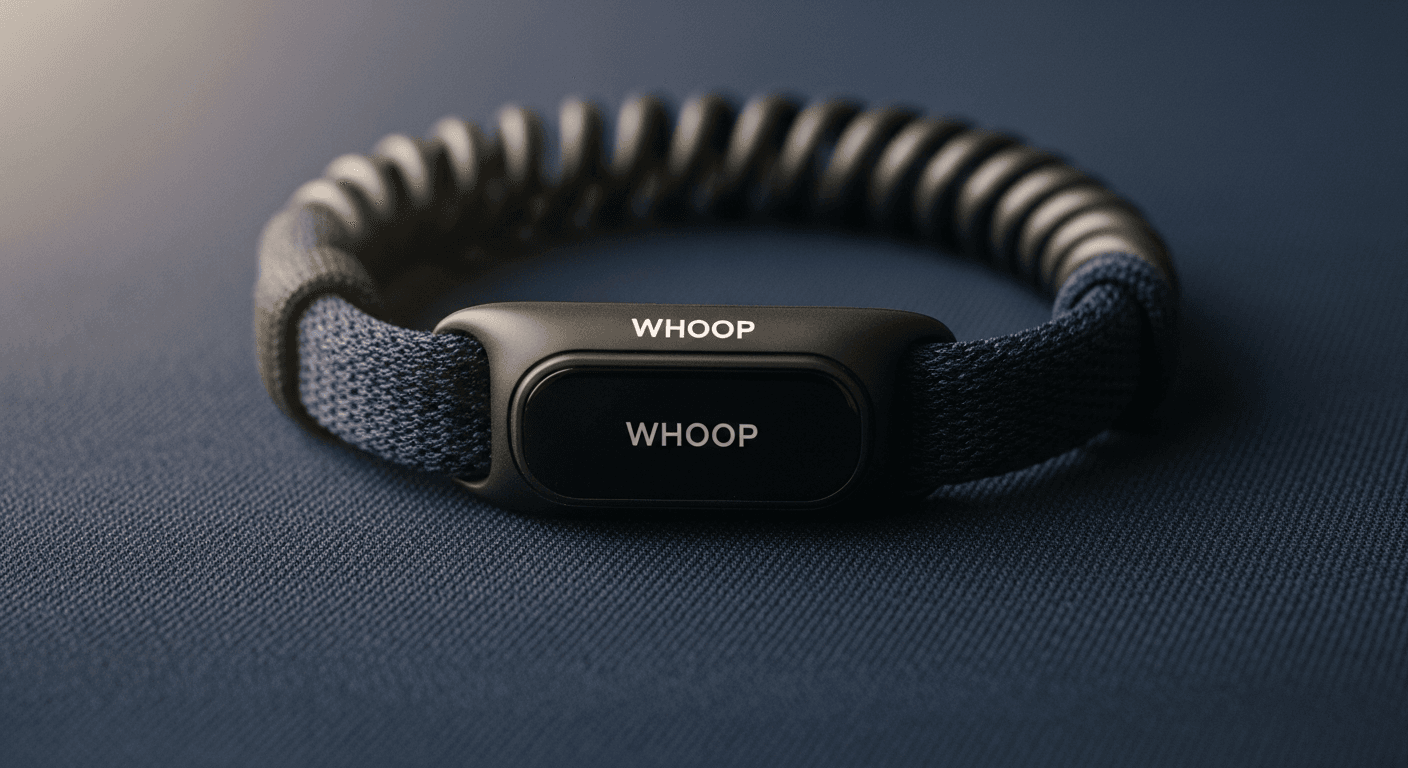
WHOOP Signs PSG Deal and Raises $575M: What It Signals for the Fitness Wearable Market in 2026
WHOOP raises $575M and signs with PSG. Garmin is preparing a screenless competitor. The fitness wearable market grows 16% in 2026 — what it means for sport professionals.

Fitness Brand Partnerships in 2026: What Actually Works with Sports Influencers
940 brands active in fitness partnerships in 2026 — the market has matured. What works: long-term deals, integration in educational content, niche-exclusive formats. What's dead: pure reach.
AI and Digital Tools: How Coaches Are Saving Time in 2026
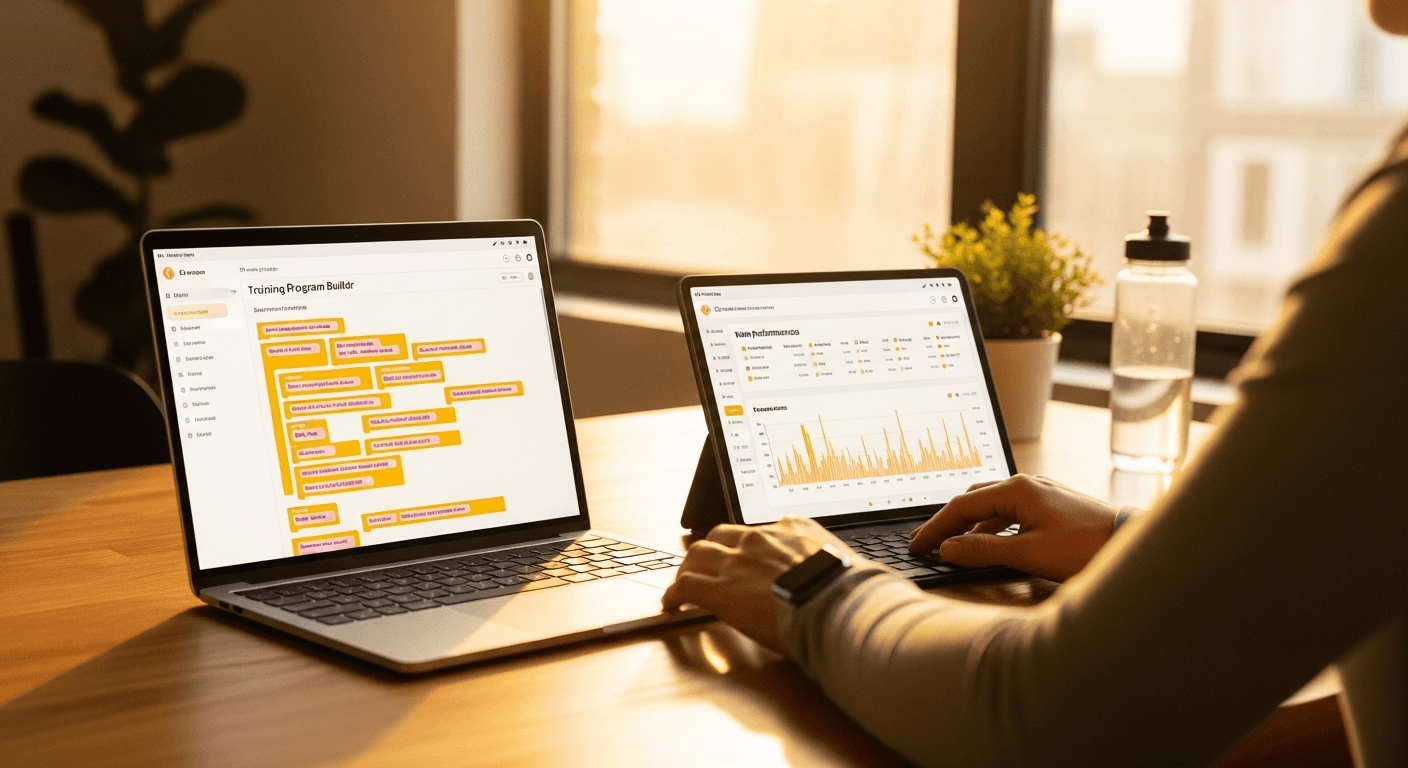
Most coaches think AI is either a threat or something complicated. The 2026 data shows something different: coaches who actually adopt it save time where it counts — freeing up space for what AI can't do.