
The running shoe market has never been more crowded. Every major brand is pushing updated foam compounds, new plate geometries, and bold claims about what their latest model will do for your performance. Cutting through that noise takes time you probably don't have.
Key Takeaways
- Running shoes should be replaced every 500-800 km
- Get half a size to a full size above your regular shoe size
- Stack height and drop matter more than brand marketing for injury prevention
This guide does the work for you. Whether you're logging easy miles after work, chasing a personal best on race day, hitting single-track trails, or just starting out and trying not to spend a fortune, there's a pick here that fits your situation. No sponsored placements, no affiliate links. Just honest assessments.
What to Look for Before You Buy
Before you land on any specific shoe, you need to think about three things: where you're running, how many miles per week you're covering, and what your foot mechanics look like. A shoe that works brilliantly for a high-mileage runner with a neutral gait can be a poor fit for someone who overpronates and runs three days a week.
Stack height and drop matter more than most marketing copy suggests. A higher heel-to-toe drop (10mm or more) tends to suit heel strikers, while lower drop shoes (4mm or under) encourage a more midfoot strike. Neither is universally better. It's about what your body is already adapted to.
Finally, don't ignore fit. Research consistently shows that improper shoe fit is one of the leading contributors to running-related injuries, with studies estimating that up to 79% of runners sustain at least one injury per year. The right shoe for your foot shape matters as much as the technology inside it.
Best Daily Road Trainer: Asics Gel-Nimbus 27
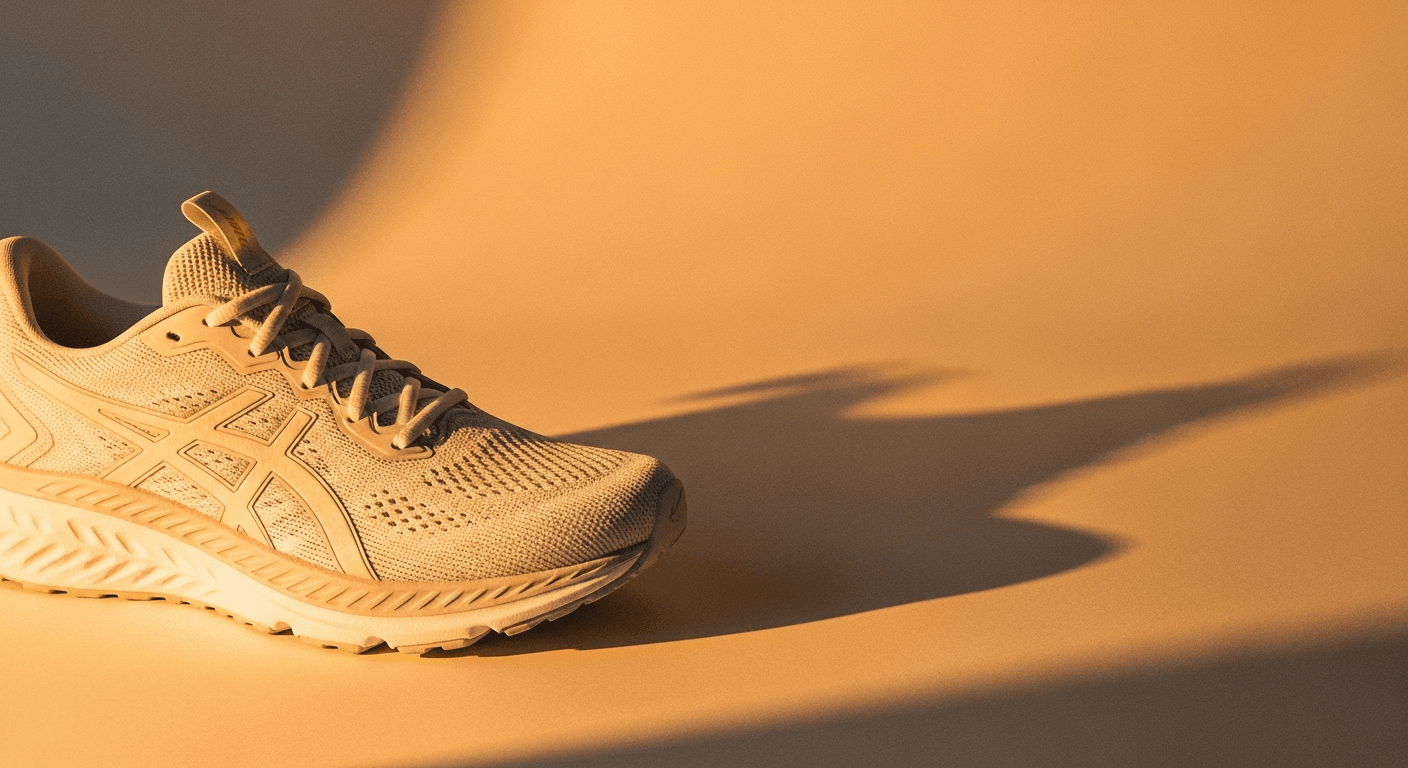
For pure daily training mileage on roads and pavements, the Asics Gel-Nimbus 27 continues to earn its place at the top of the category. Asics overhauled the midsole for 2026 with an expanded FF Blast+ ECO compound that delivers a noticeably softer ride without the mushy, undefined feel that plagued earlier versions.
The upper uses a breathable engineered mesh that holds your foot securely without creating pressure points. It's a shoe that disappears on your feet during long runs, which is exactly what you want from a daily trainer. The outsole durability is also genuinely impressive. You're looking at 600 to 800 miles of life from a well-maintained pair.
Pros:
- Exceptionally cushioned for high-mileage training
- Stable enough for mild overpronators without a dedicated support post
- Durable outsole that holds up through wet and dry conditions
- Wide toe box option available for broader feet
Cons:
- Heavier than many competitors at around 310g for a men's size 9
- Not ideal if you prefer a firmer, more responsive ride
- Premium price point that's hard to justify if you're low-mileage
Price range: $160 to $185 USD depending on colorway and retailer.
Who it's for: runners logging 40 or more miles per week who need a reliable workhorse that won't beat up their legs over time.
Best Trail Shoe: Hoka Speedgoat 6
Trail running demands a completely different set of priorities. You need grip, protection from rocks and roots, and lateral stability. The Hoka Speedgoat 6 delivers all three without sacrificing the cushioning that Hoka built its reputation on.
The outsole uses Vibram Megagrip rubber, which is widely regarded as the gold standard for multi-surface traction. It bites hard on wet rock and loose dirt alike. The rock plate sits between the midsole layers rather than directly underfoot, which gives you protection without killing ground feel entirely.
The upper has been revised for 2026 with a more structured heel collar and a reinforced toe bumper. If you've done serious miles in rough terrain, you'll appreciate both. The fit runs true to size, which wasn't always the case with earlier Speedgoat iterations.
Pros:
- Vibram Megagrip outsole handles technical terrain confidently
- Generous cushioning for long mountain days
- Improved heel hold compared to previous versions
- Protective rock plate that doesn't feel stiff underfoot
Cons:
- Stack height can feel unstable on very narrow, off-camber trails
- Not a fast shoe. It's built for endurance, not speed
- Upper breathability drops off in hot weather
Price range: $155 to $175 USD.
Who it's for: trail runners covering varied terrain from forest paths to alpine singletrack who prioritize protection and all-day comfort over raw speed.
Best Race Day Shoe: Nike Vaporfly 4
Carbon-plated racing shoes have reshaped competitive running since their introduction, and the Nike Vaporfly 4 is the 2026 evolution of the shoe that started it all. The updated ZoomX foam formulation is lighter and returns more energy than the previous generation, and the carbon fiber plate has been repositioned slightly to improve toe-off efficiency.
Independent biomechanics research has shown that carbon-plated racing shoes can improve running economy by 4% to 8% compared to traditional trainers. That translates to real time savings over race distances. At a half marathon, you're potentially talking about two to four minutes. At a full marathon, that gap is even more meaningful.
It's not a daily trainer. The midsole foam degrades faster under repeated compression, and most experts recommend limiting carbon-plated shoes to race days and key workout sessions only. You'll typically get 300 to 400 miles before the performance benefits start to fade noticeably.
Pros:
- Measurable improvement in running economy backed by peer-reviewed data
- Featherlight at approximately 195g for a men's size 9
- Responsive, propulsive ride that rewards faster paces
- Proven track record at every distance from 5K to marathon
Cons:
- Expensive, and the performance advantage fades with mileage
- Narrow fit won't suit runners with wider feet
- Requires an adjustment period. Running in a carbon plate feels different if you're new to it
- Genuinely not necessary unless you're racing
Price range: $250 to $285 USD.
Who it's for: competitive runners looking to optimize race performance across any distance. If you're not racing, spend the money elsewhere.
Best for Beginners on a Budget: Brooks Ghost 16
Starting out in running doesn't mean you need to spend $200 on footwear. The Brooks Ghost 16 has been the quiet, reliable choice for new runners for years, and the 2026 update keeps everything that made it trustworthy while bringing the cushioning stack slightly up to meet current expectations.
The DNA Loft v3 midsole is soft enough to be forgiving on new legs without feeling unstable. The outsole covers a wide surface area, which helps with confidence on varied surfaces. It's a neutral shoe that works well for runners who haven't yet had a gait analysis done, since it doesn't try to correct your mechanics in any aggressive way.
The fit is roomy in the toe box, which matters when you're building mileage. Feet tend to swell on longer runs, and a shoe that feels snug in-store can become painful at mile eight. Brooks has always sized the Ghost generously, and that continues here.
Pros:
- Accessible price point without cutting corners on cushioning
- Neutral, forgiving ride that suits most foot types
- Roomy toe box accommodates swelling on longer runs
- Wide availability. You can find it in most running specialty stores and online
- Reliable durability for the price. Expect 450 to 500 miles
Cons:
- Not exciting. If you want a snappy, energetic ride, look elsewhere
- Heavier than performance-focused alternatives
- The design updates are incremental rather than substantial year over year
Price range: $130 to $150 USD. Frequent sales can bring this down to $100 or below.
Who it's for: runners just starting out who need a dependable, comfortable shoe without paying premium prices for technology they won't notice yet.
How These Shoes Compare Side by Side
Here's a quick reference to help you position each pick against your needs:
- Asics Gel-Nimbus 27: Best for high-mileage road running. Maximum durability and cushioning. Not built for speed.
- Hoka Speedgoat 6: Best for technical trail running. Grip and protection over everything else. Heavy but confidence-inspiring.
- Nike Vaporfly 4: Best for race day. Measurable performance gains. Expensive and not meant for everyday use.
- Brooks Ghost 16: Best entry point. Affordable, forgiving, widely available. Ideal before you know exactly what you need.
A Note on Getting Fit Properly
No online guide replaces a proper fit session at a running specialty store. Staff at these shops can watch you walk and run, assess your gait, and put shoes on your feet that match your mechanics. It takes 20 minutes and frequently changes what you end up buying.
If you're new to running, this step is especially worth your time. Buying a shoe based on appearance or because a friend recommended it is how most people end up with blisters, black toenails, or nagging knee pain in their first six weeks.
Once you know what works for you, the picks above give you strong starting points in every major category. Revisit what you need every 400 to 500 miles, because a worn-out shoe looks fine from the outside while offering almost none of its original support or cushioning underneath.
Your shoes are doing a lot of work. Give them the same consideration you give the rest of your training.
Frequently Asked Questions
How should running shoes fit?
Get half to a full size above your regular size. Feet swell during running and need room, especially on downhills.
How often should you replace running shoes?
Every 500-800 km. Beyond that, cushioning degrades and injury risk rises. Track mileage from day one.
Should you choose shoes based on gait?
Yes, your foot strike (overpronation, supination, or neutral) influences shoe choice. A gait analysis at a specialty store helps find the right fit.