
Wellness & Recovery Guides
Sleep optimization, stress management, and mobility guides for active people. Science-backed wellness strategies to help you recover and perform better.
Latest articles (521)

Weekend Catch-Up Sleep Is Good for Your Heart
A seven-year study of 40,000+ adults found weekend catch-up sleep cuts hypertension risk by 6%, with stronger benefits for inactive individuals.
New Sleep Apnea Pill Cuts Breathing Events by 44%
A new drug trial shows a 44% reduction in sleep apnea breathing events per hour, putting real pressure on the CPAP machine as the only viable treatment option.
24 Minutes of Music Measurably Cuts Anxiety
New research shows 24 minutes of intentional music listening measurably reduces anxiety symptoms. Here's the science, and how to use it daily.

The Sauna Mood Effect: What's Really Happening in Your Brain
Sauna's mood benefits are backed by real brain chemistry. Here's what heat exposure does to your endorphins, stress response, and mental health over time.
Gym Sauna: What the Science Actually Says
The gym sauna isn't just a perk. Science shows it accelerates muscle recovery, lifts mood, and outperforms cold immersion for post-training adaptation.

September Sleep Reset: Fix Your Routine in 7 Days
Summer shifts your sleep clock by up to 90 minutes. This 7-day evidence-based plan uses gradual 15-minute bedtime shifts to reset your circadian rhythm before autumn.
The Sleep Sweet Spot That Slows Biological Aging
A study using 23 biological aging clocks found 6.4–7.8 hours of sleep is the optimal range. Both too little and too much accelerate organ aging.
Sleep Consistency Matters More Than Sleep Duration
New research shows sleep timing consistency may matter more than total hours. Here's what that means for your nightly routine and long-term health.
One-Size-Fits-All Sleep Advice Is Wrong for Active Adults
New research shows active adults need individualized sleep targets based on training load and quality metrics, not a fixed 8-hour rule.
Music Therapy for Stress Relief: What the Science Actually Says
Music therapy has a growing evidence base showing real cortisol and heart rate reductions. Here's what the science says and how to actually use it.
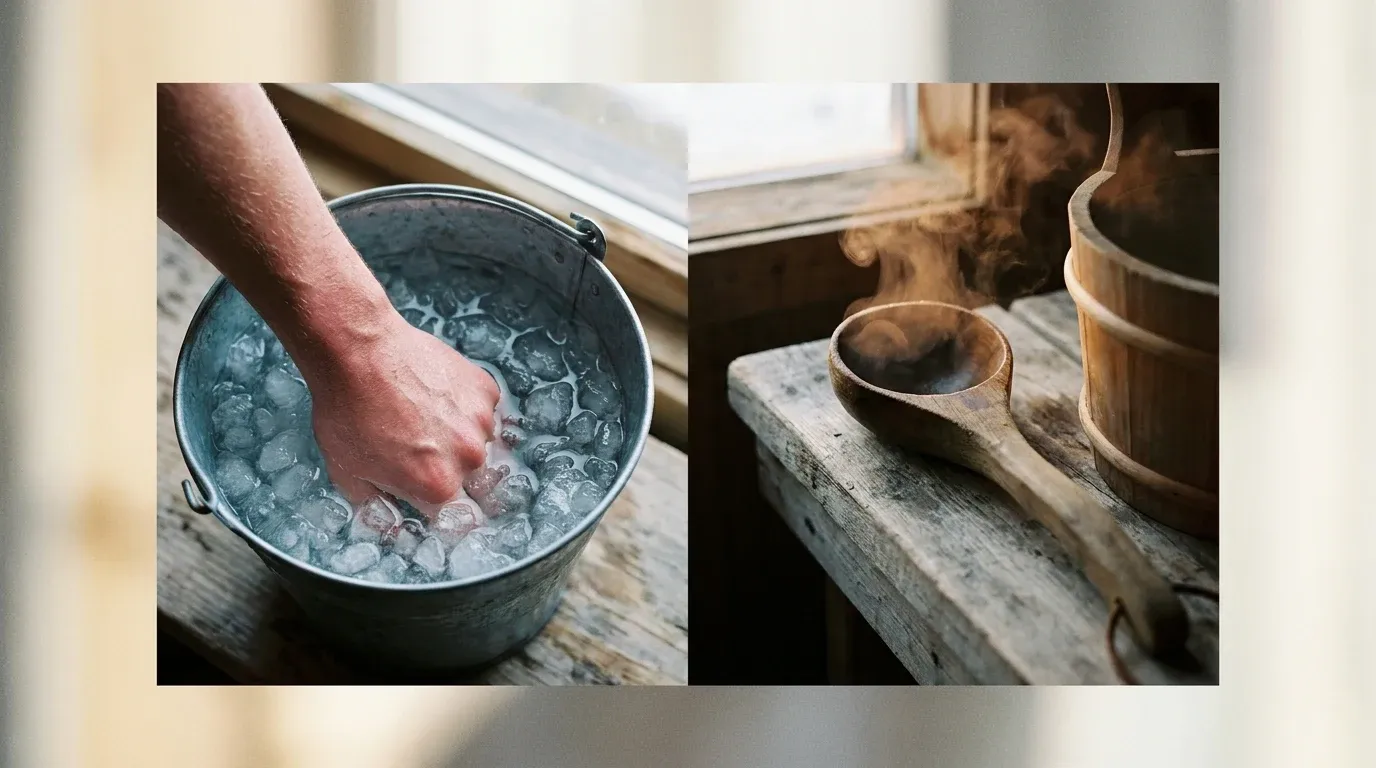
Cold vs Heat Therapy: Which Recovery Tool Do You Actually Need?
Cold and heat therapy serve distinct recovery goals. New meta-analyses show cold reduces soreness while heat restores strength. Here's how to choose correctly.

Too Much or Too Little Sleep Ages You Faster
A Columbia University study finds that both too little and too much sleep accelerate biological aging. Here's what the optimal window actually looks like.

Stress Management: What Actually Works
Burnout and cardiovascular risk are at a documented high in 2026. Here's which stress management techniques have real clinical backing, ranked by evidence strength.

Deep Sleep Waves May Guard Against Alzheimer's
A Concordia-led study finds stronger NREM sleep spindles can buffer against orexin-driven cognitive decline, reframing deep sleep as an active neuroprotective tool.

Stress and Emotional Eating: How to Break the Cycle
Chronic stress hijacks your hunger hormones, making emotional eating a physiological response, not a willpower failure. Here's how to break the cycle.
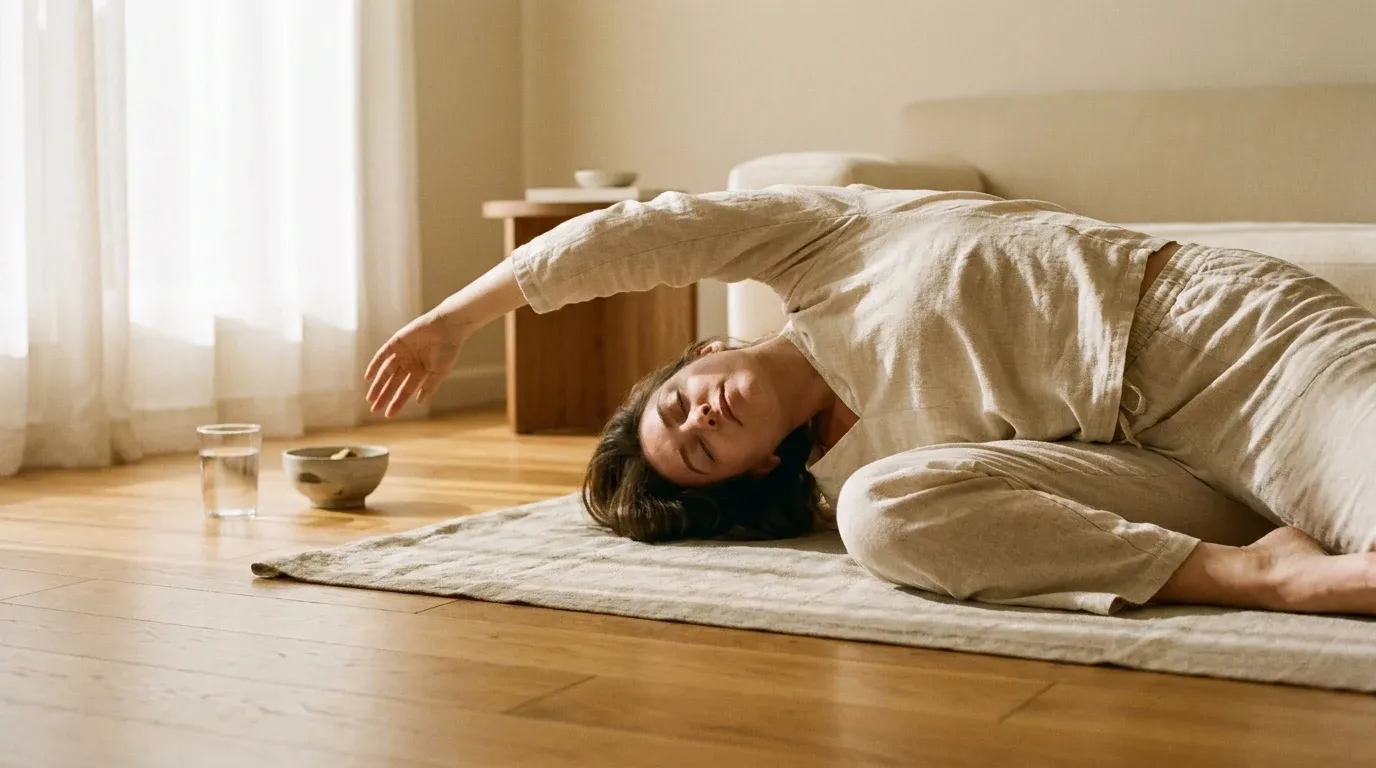
How to Actually Recover After Intense Workouts
Cut through the recovery gadget noise. Hydration, nutrition, sleep, and gentle movement remain the highest-leverage tools after intense training.
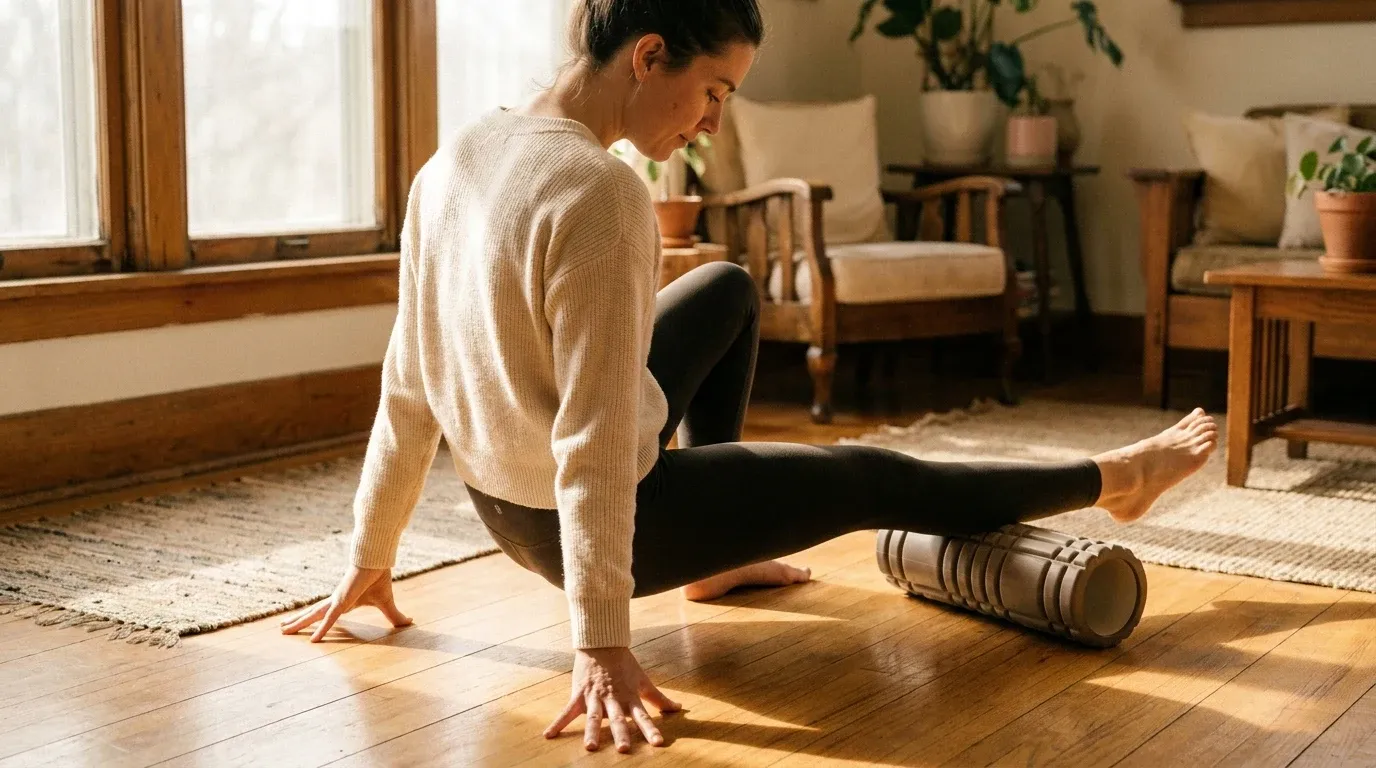
Active Recovery vs Rest Days: What Science Says
Full rest after hard training feels logical, but low-intensity active recovery accelerates repair and reduces soreness better than doing nothing. Here's what the science shows.
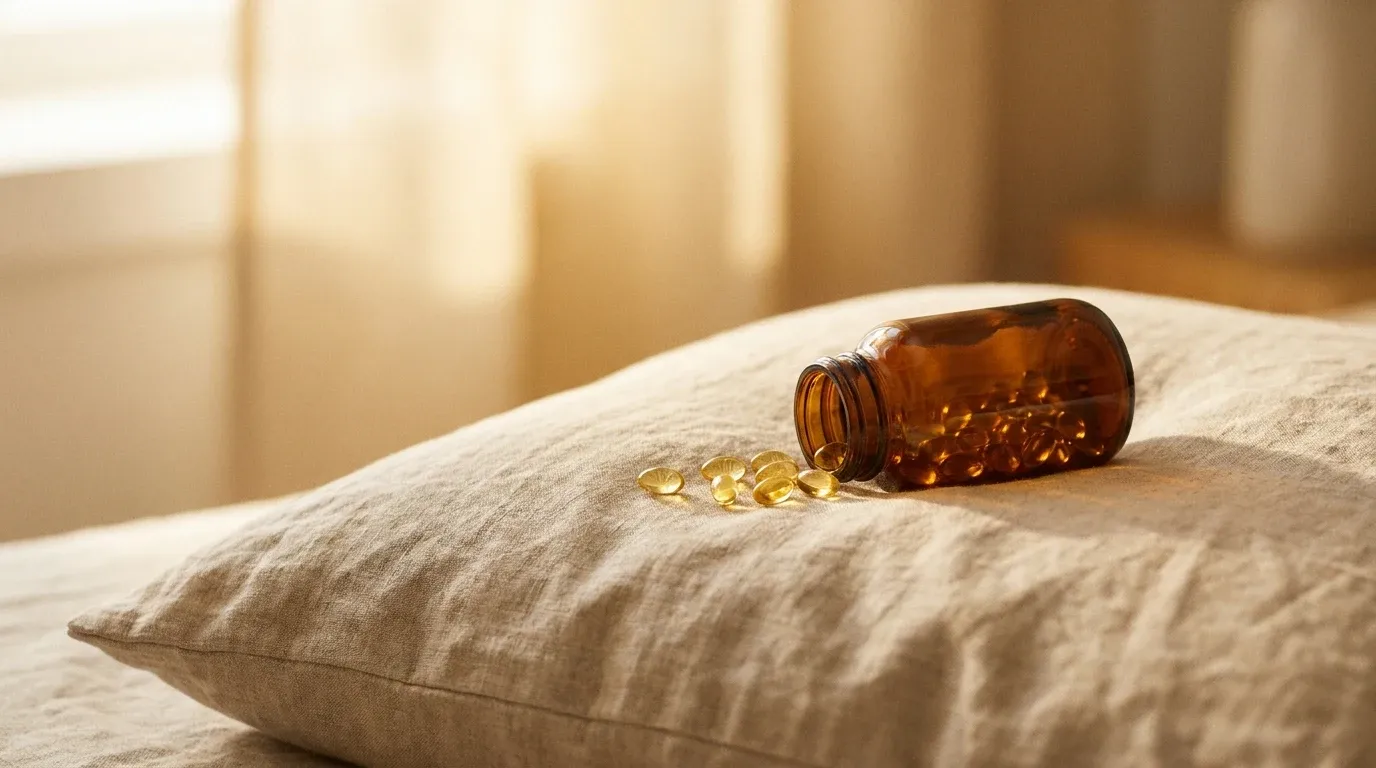
Vitamin D and Sleep: A 13% Cognitive Score Boost
Emory University researchers found that older adults with sleep problems and mild cognitive impairment who took 5,000 IU of vitamin D daily scored 13% higher on cognitive tests.
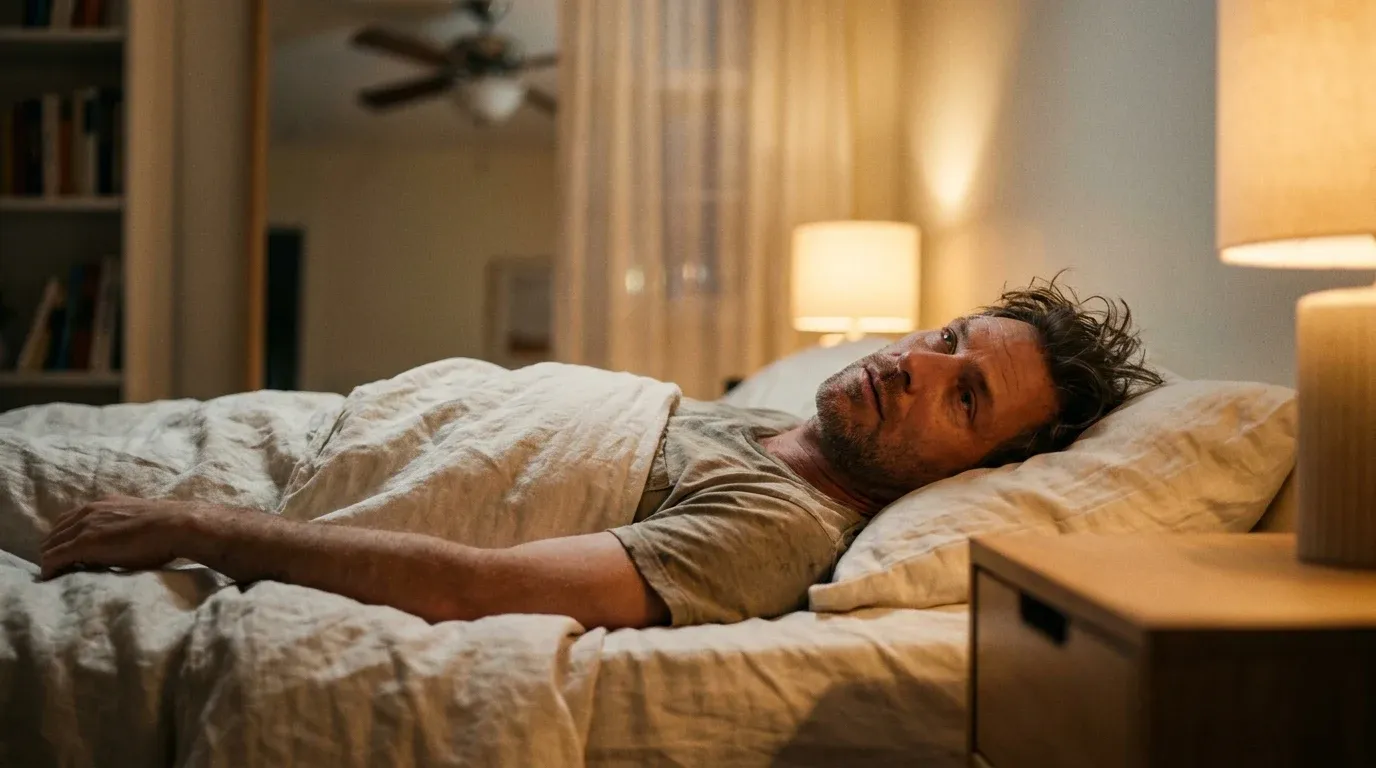
Night Shifts and Insomnia Nearly Triple Long-COVID Risk
Night shift workers with chronic insomnia face nearly 3x the long-COVID risk of healthy day sleepers. Here's the mechanism and what to do about it.

More Sleep, Healthier Heart: What the Data Shows
A European Journal of Preventive Cardiology study links 30 extra minutes of sleep and modest lifestyle shifts to a 10% drop in cardiovascular risk. Here's what the data actually shows.
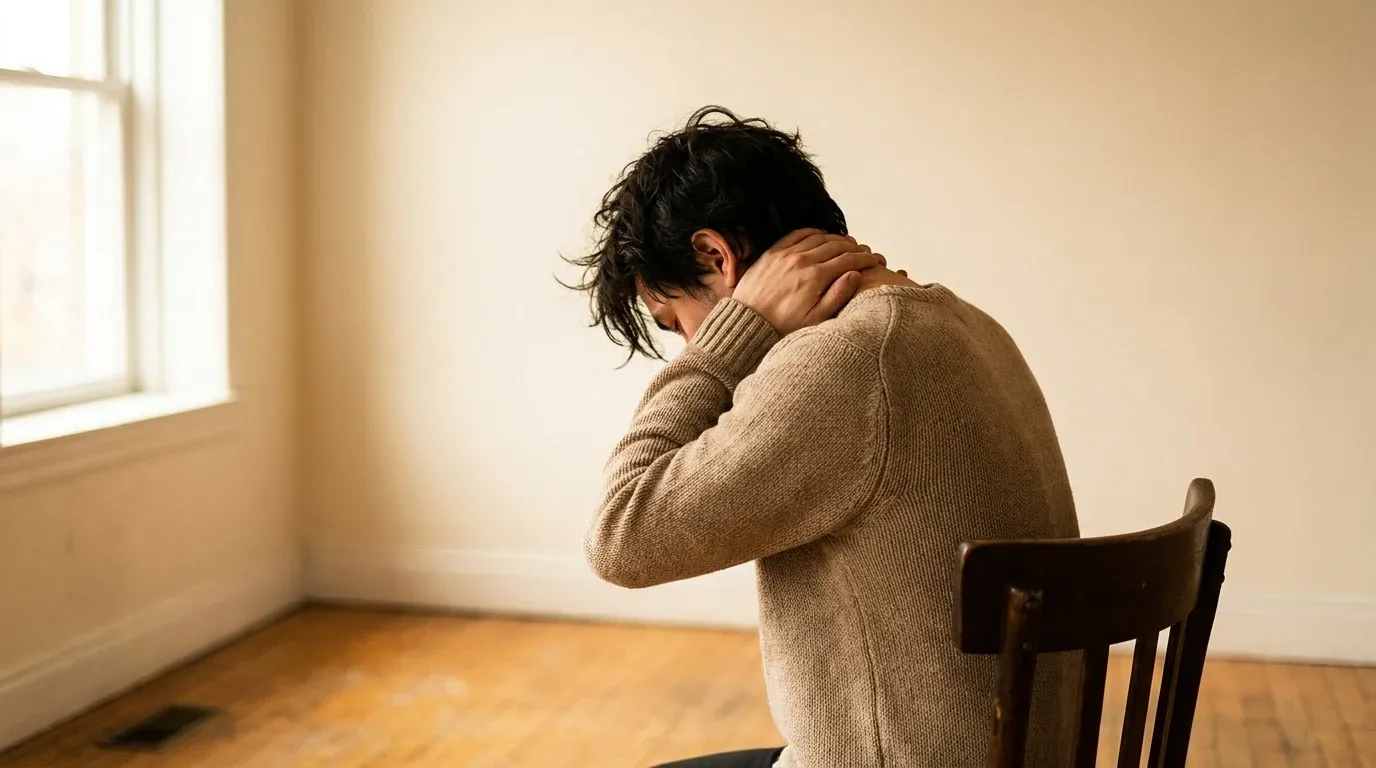
Chronic Stress and Muscle Tension: The Link You're Ignoring
Chronic stress keeps muscles tense through the same cortisol pathways as overtraining. Here's why stretching alone won't fix it, and what actually does.

Daily Mobility: The 10-Minute Routine That Actually Matters
A 10-minute daily mobility routine covering hips, thoracic spine, and ankles improves joint health, lowers cortisol, and supports better sleep. No equipment needed.

Sleep Disorders Are Literally Changing Your Brain
A 57-study meta-analysis reveals sleep disorders cause measurable structural brain changes in regions governing attention, memory, and decision-making.

The Deep Sleep Circuit That Builds Muscle and Burns Fat
UC Berkeley mapped the brain circuit linking deep sleep to growth hormone release, revealing why sleep is your most powerful tool for building muscle, burning fat, and protecting your brain.