
Fitness Training Guides
Strength training, workout programs, and progressive overload explained. Build muscle, get stronger, and reach your fitness goals.
Latest articles (646)
150 Minutes a Week Isn't Enough for Your Heart
A new BJSM study finds 150 minutes of weekly exercise may not meaningfully protect your heart. Real cardiovascular benefits may require up to 610 minutes per week.
Muscle Decline After 35: Your Action Plan
A 47-year study confirms strength starts declining at 35. Here's a science-backed weekly plan to slow the curve and rebuild capacity at any age.
How to Add Intensity Without More Gym Time
Intensity beats duration for fitness gains. Here's how to upgrade your existing sessions with proven techniques, no extra time required.

Starting After 35 Actually Works, Study Confirms
A 47-year Swedish study confirms fitness declines from age 35, but late starters still gain 5–10% in physical capacity. The "too late" excuse is officially dead.

Intensity Beats Duration: What the Science Says
New research confirms that just 30 minutes of high-intensity exercise per week delivers cardiovascular, metabolic, and brain benefits that longer moderate sessions can't match.

Hard Workouts Protect Your Brain Too
High-intensity exercise triggers brain-protective adaptations that moderate effort can't fully replicate. Here's what the latest research reveals about training hard for cognitive health.
Your Strength Starts Declining at 35 (But You Can Fight It)
A 47-year Swedish study confirms strength decline starts at 35, but late starters still improved performance by up to 10%. Here's what that means for you.

1-2 Minute Exercise Snacks Actually Build Muscle
A 2026 meta-analysis of 11 RCTs confirms that 1-2 minute vigorous exercise snacks build muscle, boost VO2 max, and reduce body fat simultaneously.
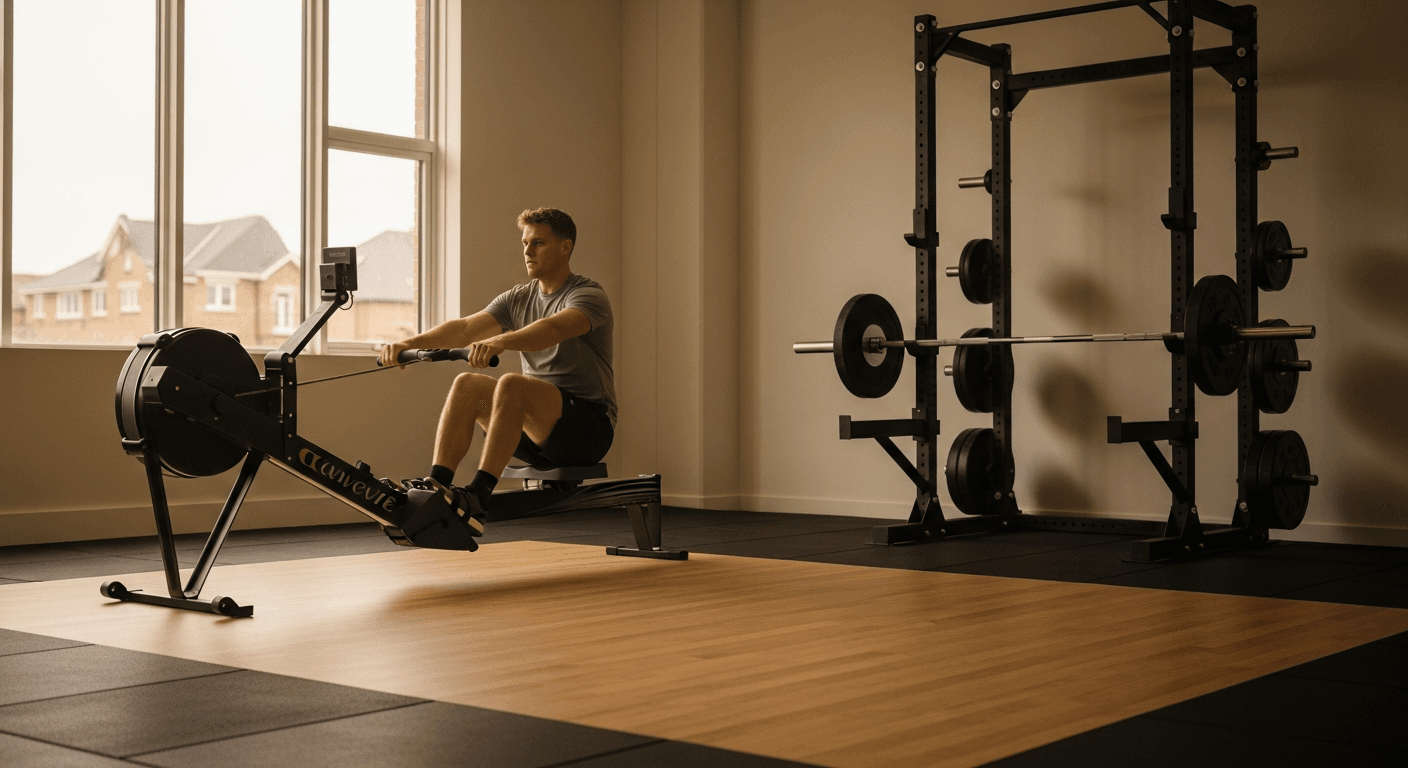
Cardio Doesn't Kill Gains. It Actually Boosts Them.
The cardio-kills-gains myth is dismantled with a clear mechanism: a stronger heart speeds up intra-set recovery, enabling more volume and heavier loads per session.

10-Minute Floor Workout That Fixes Balance and Agility
A PLOS One study confirms a 10-minute floor routine boosts balance, agility, and flexibility with no equipment. Here's how to use it.

30 Minutes of Exercise a Week Can Transform Your Health
New research shows just 30 minutes of high-intensity exercise per week can meaningfully improve cardiovascular fitness and protect brain health as you age.
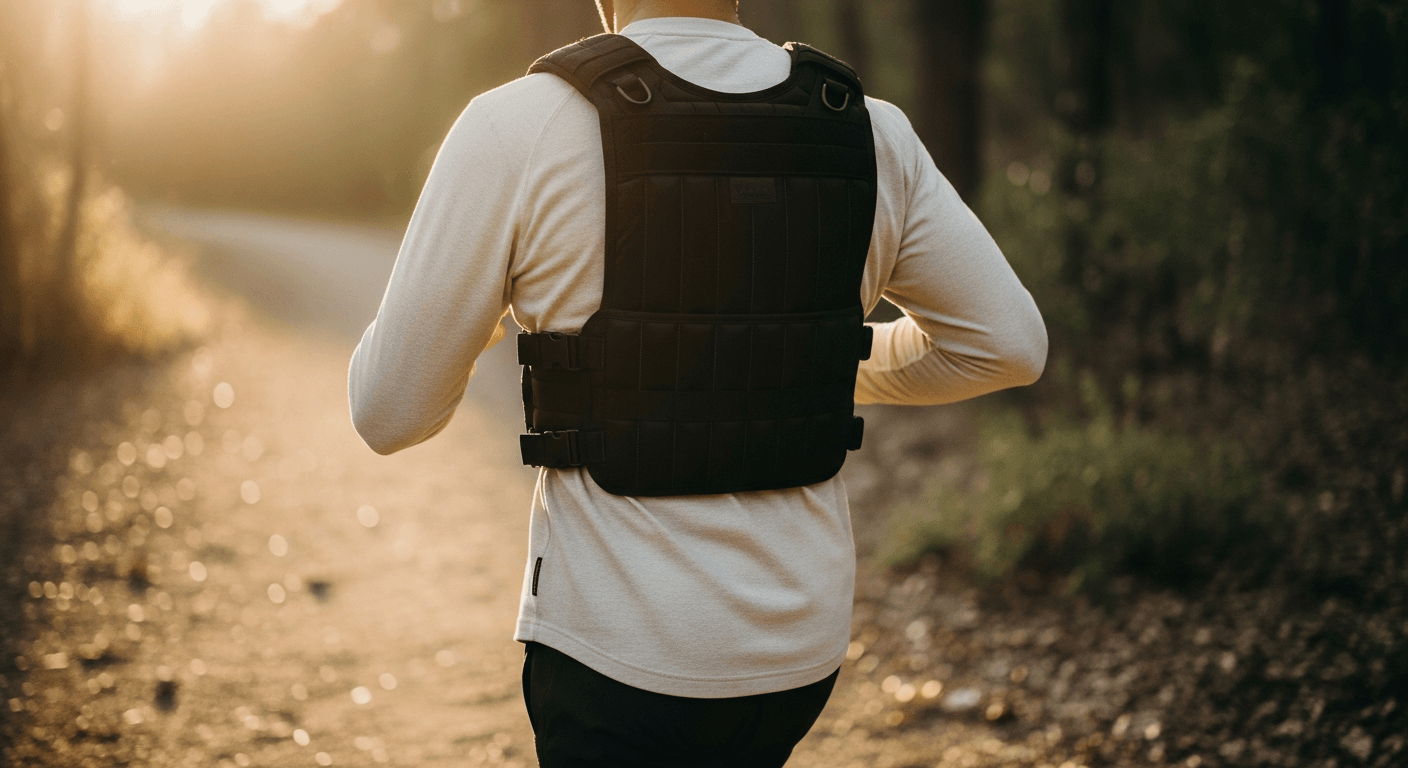
Weighted Vests: Real Gains or Just Extra Strain?
Weighted vest sales are booming, but a medical expert explains when they genuinely build fitness and when they just raise your injury risk.

This Strength Test Predicts How Long You'll Live
A study of 5,000+ women found grip strength and chair-stand speed predict 8-year survival risk. Here's what the data means for your training.
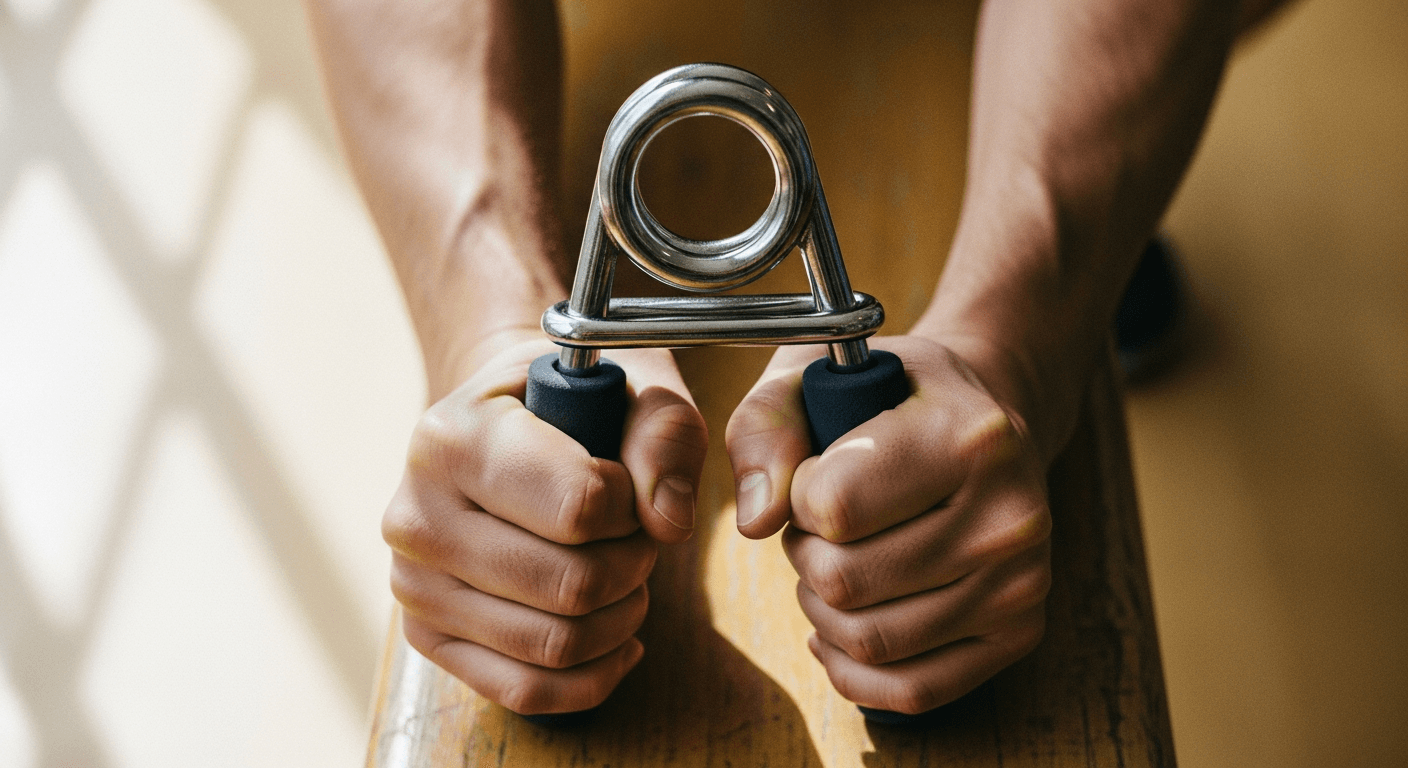
Grip Strength: Test Your Longevity in 60 Seconds
Two quick tests, grip strength and chair-stand reps, reveal how well your body is aging. Here's how to measure both and train to improve your scores.
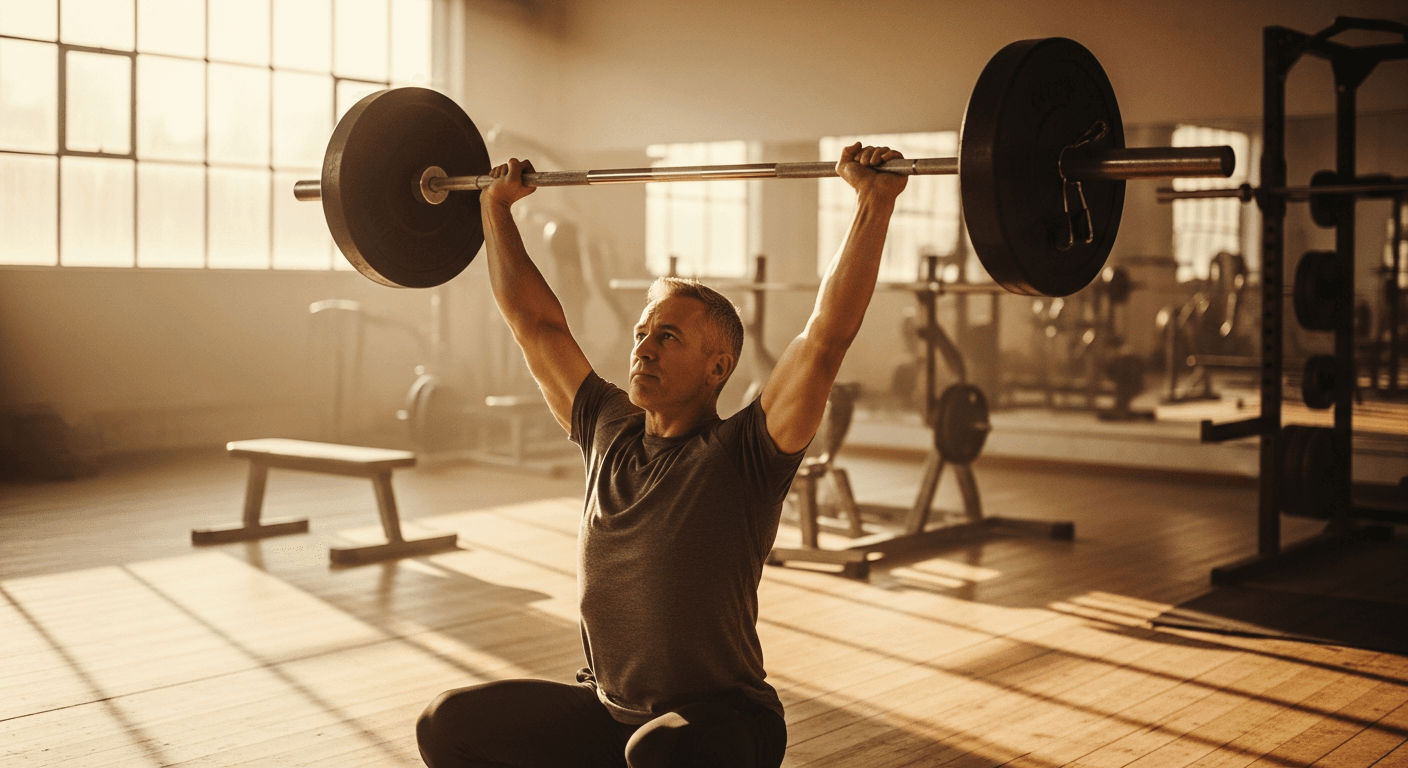
Exercise After 40 Can Add 5 Years to Your Life
New research shows people over 40 who stay consistently active can gain an average of 5 extra years of life. Here's what that means for your training.

Exercise Boosts Fitness Even With Friedreich's Ataxia
A clinical trial found that structured aerobic and strength training meaningfully improved cardiopulmonary fitness in people with Friedreich's ataxia, reinforcing the case for adaptive exercise programs.
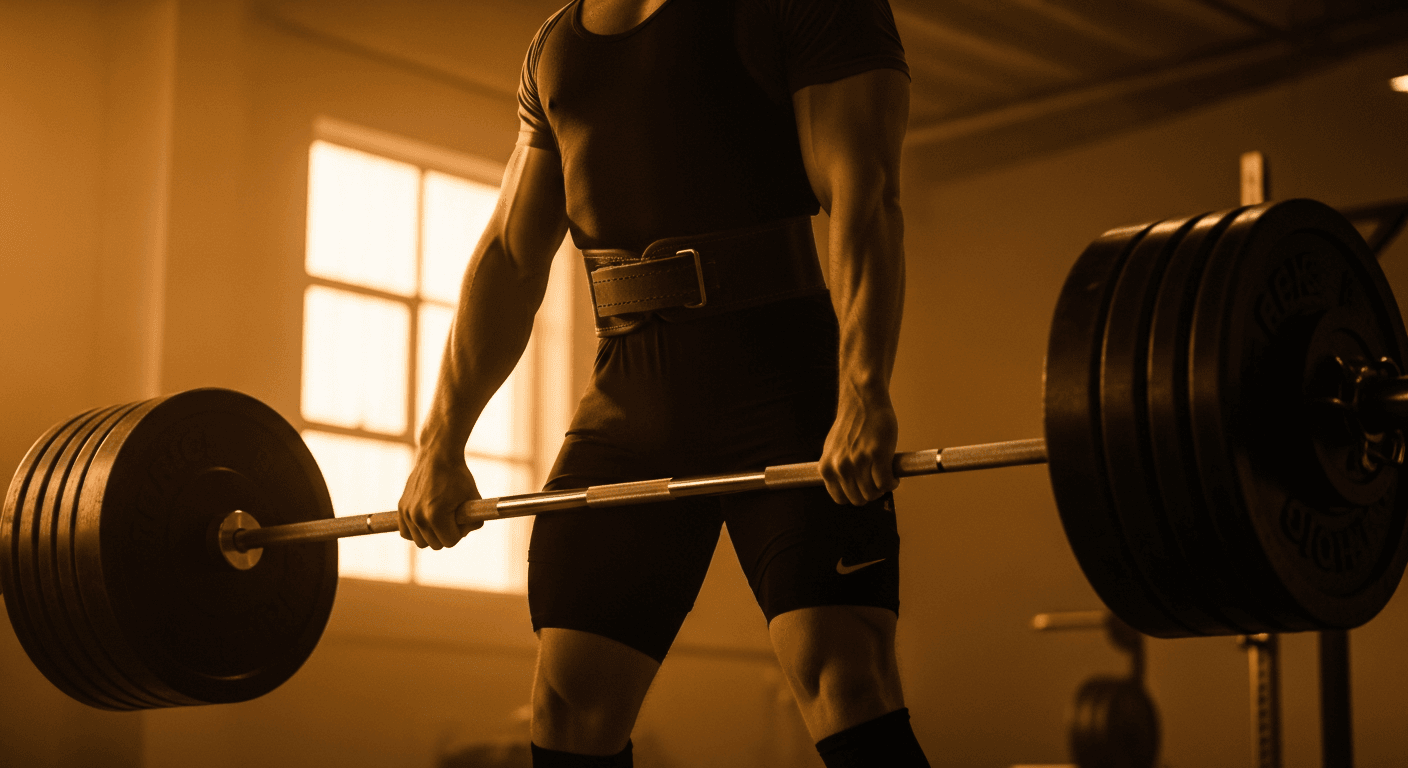
Weight Training Beats Every Other Fat Loss Method
A surgeon's head-to-head ranking of six fat-loss methods puts weight training at the top for metabolism, hormones, and body composition. Here's what it means for your program.

Trampoline HIIT: Hard Cardio Without Destroying Your Joints
Trampoline HIIT delivers genuine high-intensity cardio with up to 40% less joint impact than running, making it a smart option for lifters in 2026.

Training Your Nervous System Like a Muscle Actually Works
The Global Wellness Summit's 2026 top trend reframes stress management as active nervous system training, and the logic maps directly onto progressive overload.
What Actually Keeps People Coming Back to the Gym in 2026
New industry data shows gyms lose members not over equipment gaps but weak human onboarding. Here's what that means for lifters and coaches in 2026.
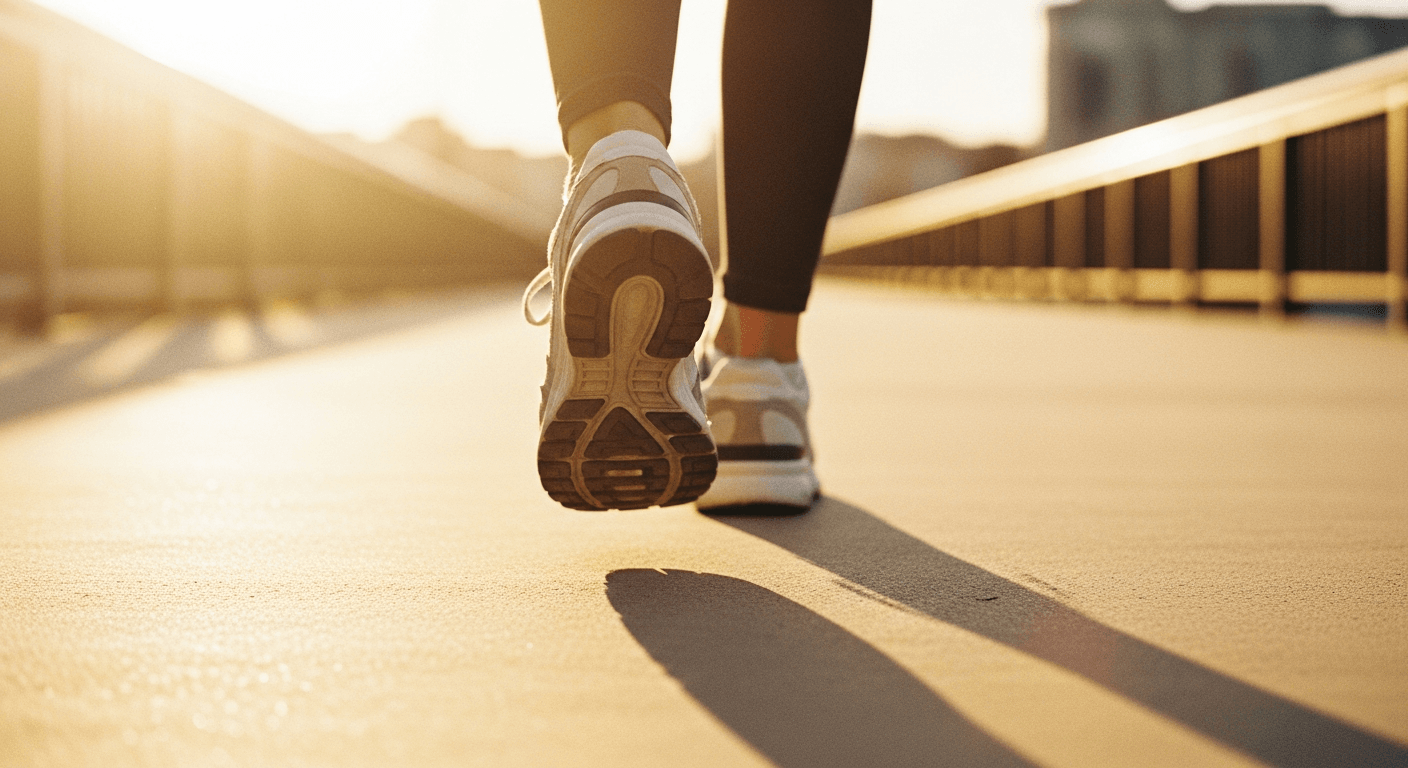
8,500 Steps a Day Is Enough to Keep Weight Off
New research from the European Congress on Obesity 2026 sets 8,500 daily steps as the threshold for weight maintenance, offering lifters a smarter rest-day target.
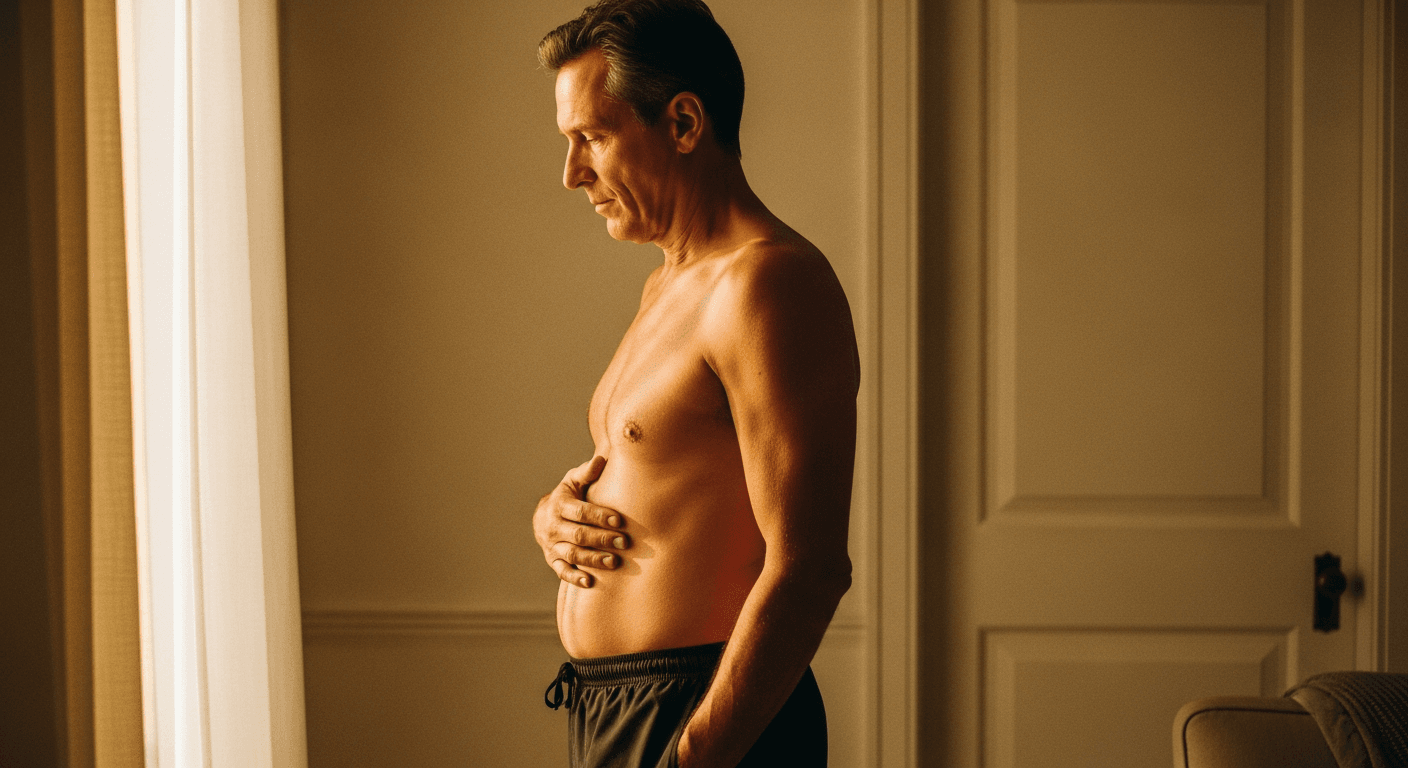
Testosterone and Belly Fat: What New Science Says
New science confirms testosterone drives belly fat accumulation in aging men. Here's what it means for your training, sleep, and lifestyle strategy.
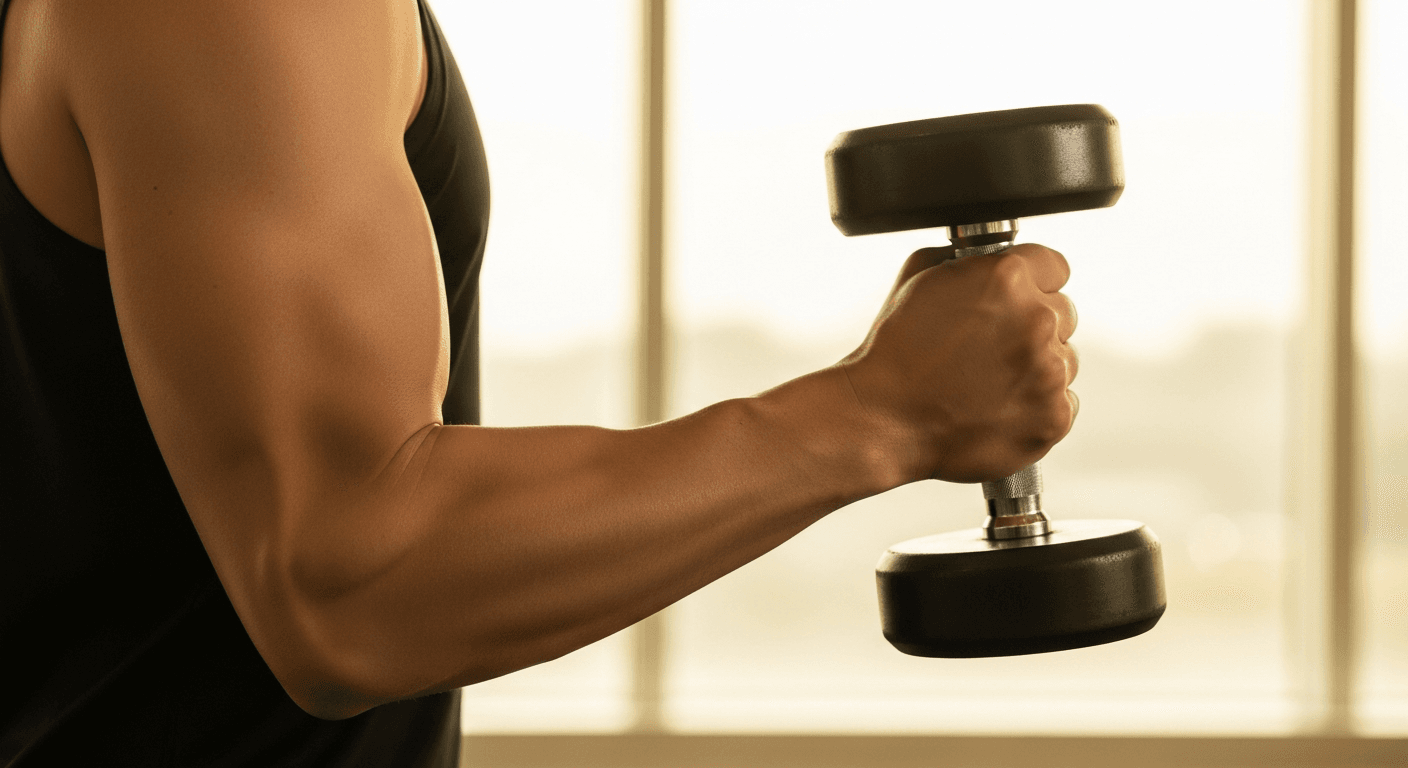
Slow Eccentric Reps Build More Muscle With Less Pain
A May 2026 study shows slow eccentric reps build muscle as effectively as hard training, with far less soreness. Here's how to apply it.
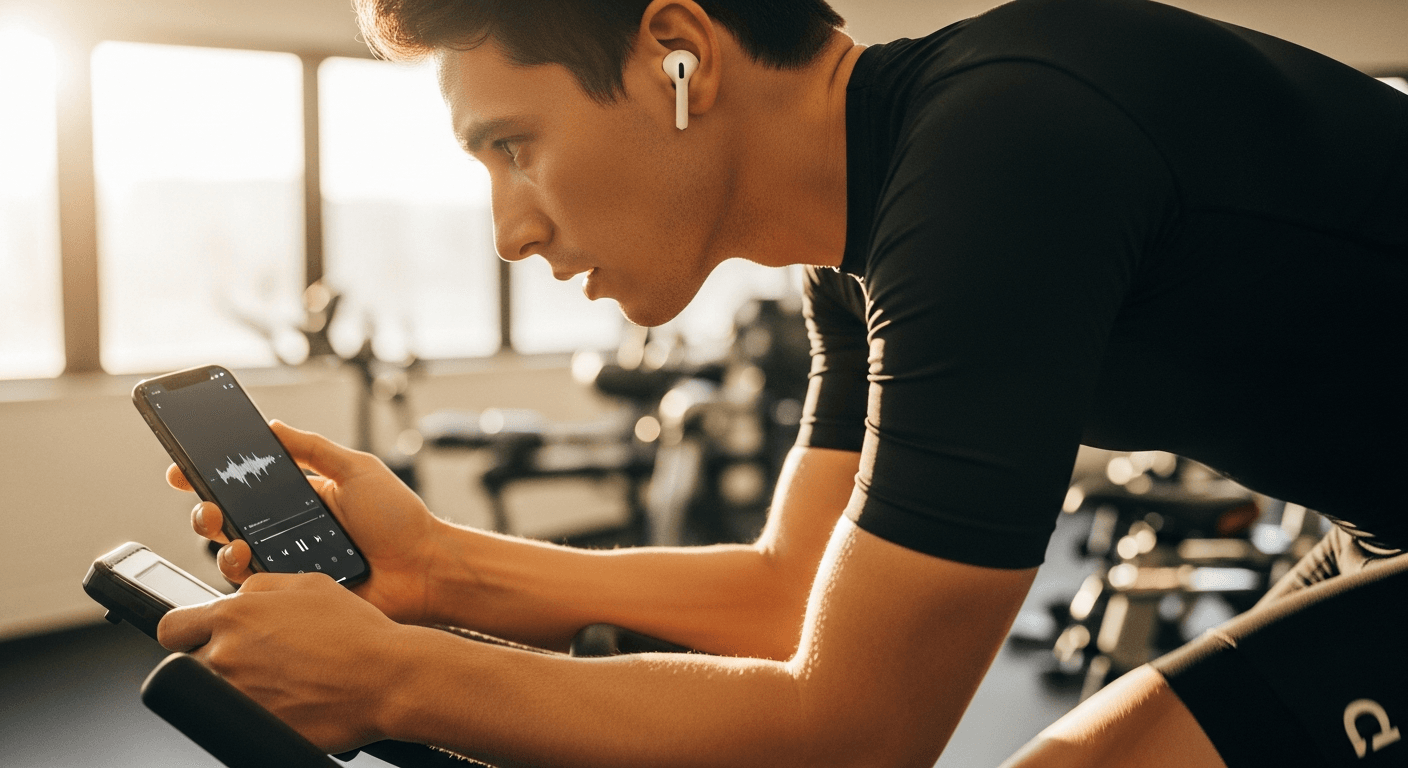
This Music Trick Boosts Your Workout Endurance 20%
A new study found cyclists who trained with self-selected favorite music lasted nearly 20% longer with no extra perceived effort. Here's how to use it.