
A study published in February 2026 produced an unexpected result: mice deprived of two specific amino acids, methionine and cysteine, burned significantly more energy than control animals. The effect was nearly as powerful as continuous cold exposure, one of the most potent thermogenesis activators known to science. That's a genuinely interesting finding. Here's what it actually means, and what it doesn't.
Key Takeaways
- Restricting methionine and cysteine activates metabolic pathways similar to cold exposure
- This opens new avenues for body composition management through dietary modulation
- These findings are preliminary and don't justify eliminating foods without medical supervision
The mechanism: how two amino acids regulate heat production
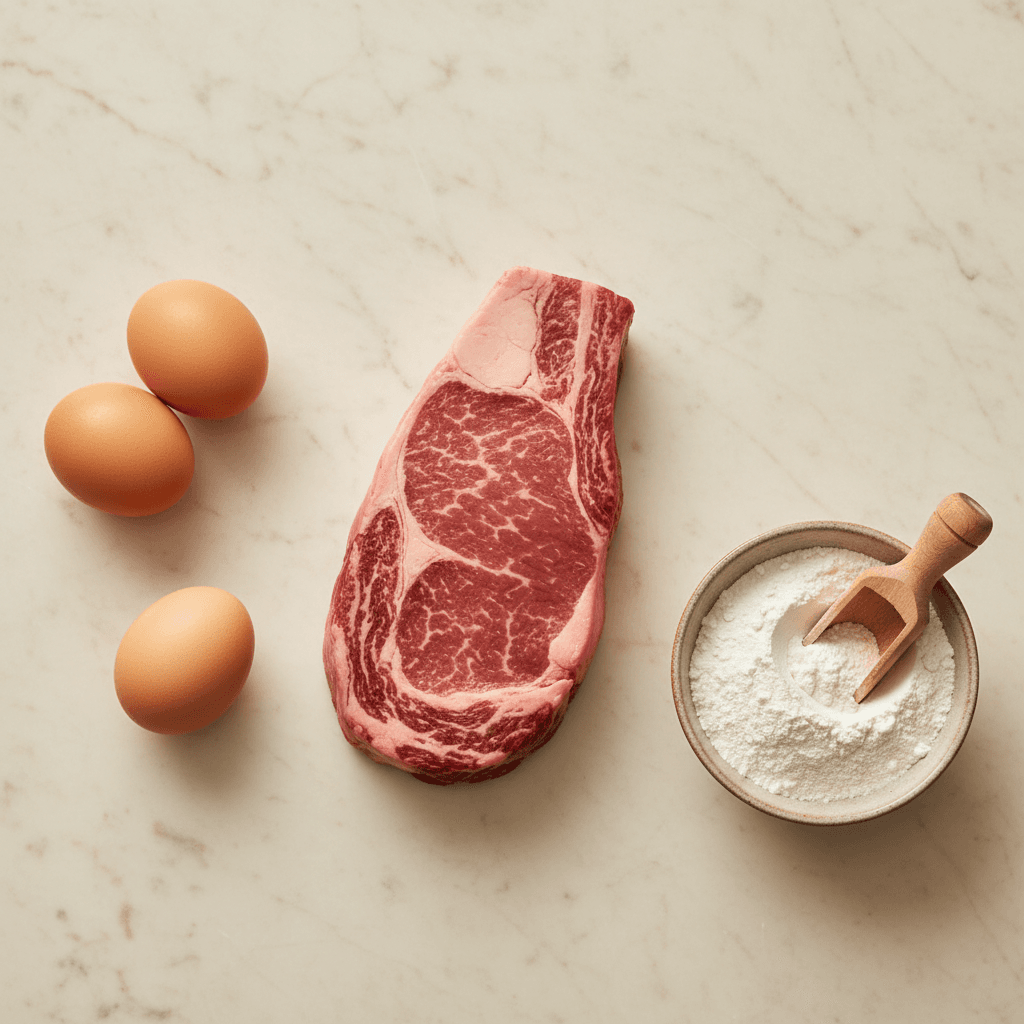
Methionine and cysteine are two amino acids found abundantly in animal proteins: meat, eggs, dairy. In the study, restricting them appears to have activated brown adipose tissue (BAT) and increased what's called non-shivering thermogenesis.
To understand why that matters, it helps to distinguish between two types of fat tissue. White adipose tissue stores energy. Brown adipose tissue burns it to produce heat. BAT is activated by cold exposure, which is part of why cold baths and cold showers have attracted attention in athletic circles. What this study suggests is that methionine and cysteine normally suppress this heat-production pathway. When they're removed, the body activates its fat-burning response as if it were exposed to cold.
That's a real mechanistic finding. It opens important questions about how certain amino acids regulate energy metabolism. At the level of basic science, it's significant.
ILLUSTRATION: stat-card | Key data and figures from the article
Why you shouldn't draw dietary conclusions from this
A few things need to be said clearly before this study travels through the internet as a nutrition tip.
First, this is a mouse study. Translating rodent results into human dietary recommendations is a long and uncertain process. Many effects observed in mice don't replicate in humans, or only replicate under very different conditions. That's the norm, not the exception.
Second, restricting methionine and cysteine in a real human diet is very hard to achieve without also significantly reducing total protein intake. Both amino acids are present in most high-quality animal protein sources. A targeted restriction would require a very restrictive diet, with potentially negative consequences for muscle mass, recovery, and the synthesis of other important compounds, including glutathione, which depends directly on cysteine.
Third, the goal of this research isn't to define an eating pattern. The researchers are using amino acid restriction as a tool to understand the signaling pathway itself. The long-term interest is pharmacological: if this mechanism can be activated without dietary manipulation, it opens potential treatment avenues for obesity and metabolic disease. The dietary restriction is a laboratory probe, not a prescription.

What this research actually tells us about metabolism
ILLUSTRATION: tip-box | Practical takeaways
The value of this study is in what it reveals about how the body regulates energy expenditure. The fact that two amino acids can modulate brown adipose tissue activation to this degree is new information about metabolic mechanisms.
Non-shivering thermogenesis is an active area of research. Recent studies have also explored the role of high-dose creatine, certain fatty acids, and cold exposure in BAT activation. What this study adds is a potential new lever in that list, and a more precise understanding of the regulatory role amino acids play in the process.
Also read: Intermittent Fasting vs Calorie Restriction and Stanford's AI That Predicts 100+ Diseases From Sleep Data.
For anyone who tracks their nutrition closely, the useful read on this research isn't "should I reduce my animal protein." It's this: the way the body regulates caloric expenditure is more nuanced and multifactorial than a simple calories-in, calories-out equation. That complexity deserves to be understood clearly, not compressed too quickly into premature practical recommendations.