
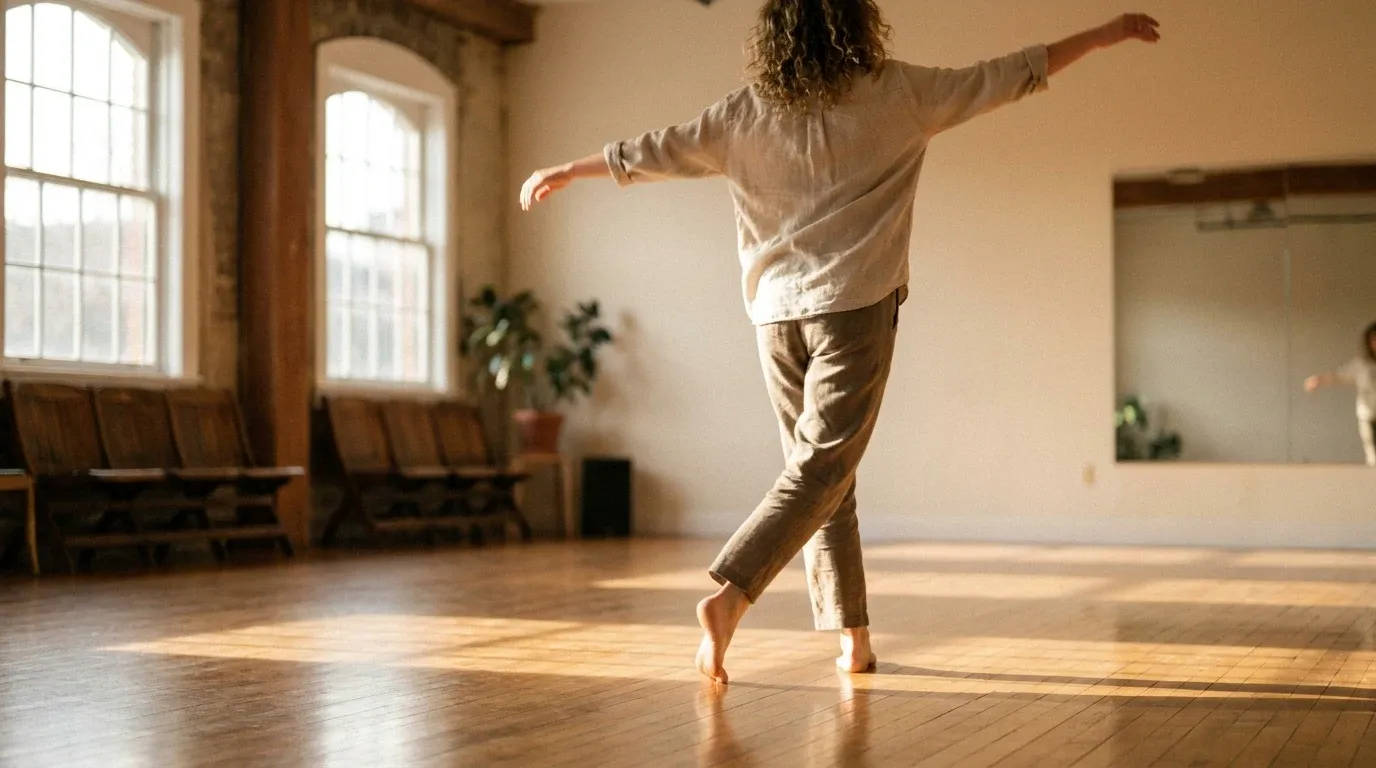
Most wellness advice funnels you toward two options when stress gets heavy: hit the gym or roll out a yoga mat. Both are reasonable choices, and both have solid research behind them. But a growing body of evidence suggests neither is the most effective tool for reducing stress. That distinction, it turns out, may belong to dance.
Recent controlled research comparing movement modalities found that dance produced significantly greater reductions in perceived stress and stress-related hormones than either yoga or conventional gym training. It's a finding that challenges a lot of default wellness thinking, and it's worth understanding why.
What the Research Actually Found
Studies comparing dance to other exercise forms have measured outcomes including cortisol levels, self-reported stress, anxiety scores, and mood states. Across multiple comparisons, dance consistently outperformed both structured gym workouts and yoga sessions on stress-related markers. The effect sizes weren't marginal. In some trials, participants who danced reported stress reductions two to three times greater than those in resistance or aerobic training groups.
This held true even when the physical intensity of the dance sessions was comparable to or lower than the gym sessions. Caloric expenditure and cardiovascular load didn't explain the gap. Something else was driving the difference.
That something else appears to be the combination of three elements that are rarely present together in any other form of exercise: rhythm, social connection, and self-expression.
Why Dance Works Differently on the Stressed Brain
Your nervous system responds to rhythmic, repetitive movement in ways that differ from non-rhythmic exercise. Synchronized movement to music activates reward pathways, reduces activity in the amygdala (the brain's threat-detection center), and promotes the release of endorphins and dopamine more reliably than most gym-based activity.
Music alone has measurable effects on cortisol. Combine it with movement that tracks that rhythm, and the effect is amplified. Dance also tends to involve eye contact, physical proximity, and coordinated action with others. These social cues trigger oxytocin release, which directly counteracts cortisol and supports a parasympathetic shift. In short, your body starts reading the experience as safe rather than stressful.
Then there's the expressive dimension. Unlike lifting weights or running a programmed interval, dance gives you permission to move in ways that feel emotionally meaningful. That psychological release appears to reduce rumination, which is one of the primary drivers of chronic stress. When you're focused on following a rhythm and moving your body freely, the cognitive loops that feed anxiety have less space to operate.
The Problem With the Gym and Yoga as Stress Tools
This isn't an argument against gym training or yoga. Both have substantial benefits, and the weekly lifting sweet spot coaches should know is still worth understanding if strength and longevity are your goals. But neither modality reliably activates all three stress-reduction systems simultaneously.
Gym workouts are primarily physical and often solitary. They can produce acute stress before delivering relief. For people who are already running high cortisol levels, an intense training session can temporarily worsen the hormonal picture before improving it. That's a meaningful consideration when someone is asking what type of movement will actually help them feel better today.
Yoga sits closer to the parasympathetic end of the spectrum, which is why it's so widely recommended for stress. But many yoga formats are quiet, inward-focused, and non-social. That works well for some people. For others, particularly those whose stress is socially rooted or who need movement to feel genuinely energizing rather than calming, yoga undershoots. It's also worth noting that people who find traditional workouts mentally draining rather than restorative are a large and underserved group in standard wellness advice.
The Social Factor Is Probably More Important Than You Think
One of the clearest signals in exercise research is that shared physical activity amplifies benefit. Group exercise of any kind tends to produce better mood outcomes than solo training. Dance takes this further because the movement itself is often synchronized. You're not just exercising near other people. You're moving with them, responding to the same cues, and often making physical contact.
That level of social integration during physical activity is unusual. Most gym environments actively discourage it. Dance environments are built around it. And the physiological payoff appears to be real. Studies on synchronized movement show that it increases pain tolerance, boosts feelings of social bonding, and lowers stress markers in ways that non-synchronized group activity does not.
This also helps explain why dance doesn't need to be intense to be effective. A slow social waltz and a high-energy Zumba class both capture some of this effect. The rhythm and connection matter more than the heart rate.
Who This Research Matters Most For
If you've ever finished a workout feeling more wired than when you started, this research is directly relevant to you. A significant portion of people, particularly those with high baseline stress, find that conventional training temporarily increases anxiety or irritability rather than relieving it. The intensity and competitiveness of typical gym environments can reinforce the stress response rather than interrupt it.
This is also relevant as you age. Recovery takes longer after 40, and the physiological cost of hard training requires more strategic management. Dance offers a way to maintain movement volume and social engagement without the systemic load of high-intensity training.
It's worth pairing this with the basics. Sleep and food still beat every recovery gadget when it comes to long-term stress management, and no single exercise modality will compensate for chronic sleep debt or poor nutrition. But within the movement landscape, dance appears to offer something genuinely distinct.
Practical Ways to Use This
You don't need to join a competitive dance company or commit to years of lessons. The research doesn't require expertise. It requires rhythm, some degree of social context when possible, and regular exposure. Here are several realistic entry points:
- Dance fitness classes (in-person or online): Formats like Zumba, dance cardio, or Afrobeats fitness classes meet the criteria without requiring technical dance knowledge. Many gyms offer these, and online platforms have expanded access significantly for people without studio options nearby.
- Social dancing formats: Salsa, swing, bachata, and ballroom dancing check every box. They're rhythmic, social, and expressive. Drop-in beginner classes in most cities typically run $15 to $25 per session, making them accessible without a major financial commitment.
- Follow-along home sessions: YouTube and subscription platforms offer thousands of structured dance workouts that you can follow alone. You lose some social benefit, but rhythm and expressive movement are still present, and the cortisol-lowering effect doesn't disappear entirely in solo formats.
- Integrating dance into existing routines: Even 10 to 15 minutes of free movement to music before or after a workout can shift your neurological state. It doesn't need to be a separate block of time to deliver benefit.
If you're working with a trainer, it's also worth raising this. Understanding what your body actually needs from movement, including its emotional and psychological needs, is exactly what hiring a trainer teaches you about your body when the relationship is functioning well. A good coach will help you build a movement plan that restores rather than just exhausts.
The Bigger Picture for Wellness Recommendations
The wellness industry has long treated exercise type as a matter of personal preference rather than a meaningful clinical variable. If you want to lose weight, lift. If you want flexibility, stretch. If you're stressed, try yoga. That framework is too simple.
The evidence on dance suggests that how an activity engages your emotional, social, and sensory systems matters as much as what it does to your muscles. That's a more complex picture, but it's also a more useful one. It opens the door to recommending movement based not just on physical goals but on nervous system state, social needs, and psychological tendencies.
Dance may not replace your training program. But if stress is your primary concern right now, it probably deserves a place in the rotation. Not as a compromise or a lighter alternative to "real" exercise, but as a modality that targets the stress response more precisely than most of what the wellness world has been recommending.
The science doesn't say dance is the only answer. It says dance is an answer that most people haven't seriously considered. That's worth changing.