
Wellness & Recovery Guides
Sleep optimization, stress management, and mobility guides for active people. Science-backed wellness strategies to help you recover and perform better.
Latest articles (521)
Work Stress Sleep Plan: 5 Steps That Actually Help
Two major studies converge on the same fix for stress-driven poor sleep. Here's the five-step evening protocol you can start tonight.
Sleep Beats Every Habit for Fighting Work Stress
A 10-year study of 2,871 workers found sleep quality outranks exercise, diet, and social connection as the top defense against chronic work stress.
Recovery Basics Still Beat Every Expensive Gadget
A May 2026 evidence review confirms sleep, protein timing, and hydration consistently outperform expensive recovery tech. Here's your low-cost action plan.

Your Brain Needs a Full Hour to Recover From Stress
UCL research reveals the brain takes ~1 hour to begin stress recovery. Here's how to use that window to restore faster.
Whoop, Oura, Garmin: Do Smart Recovery Trackers Actually Work in 2026?
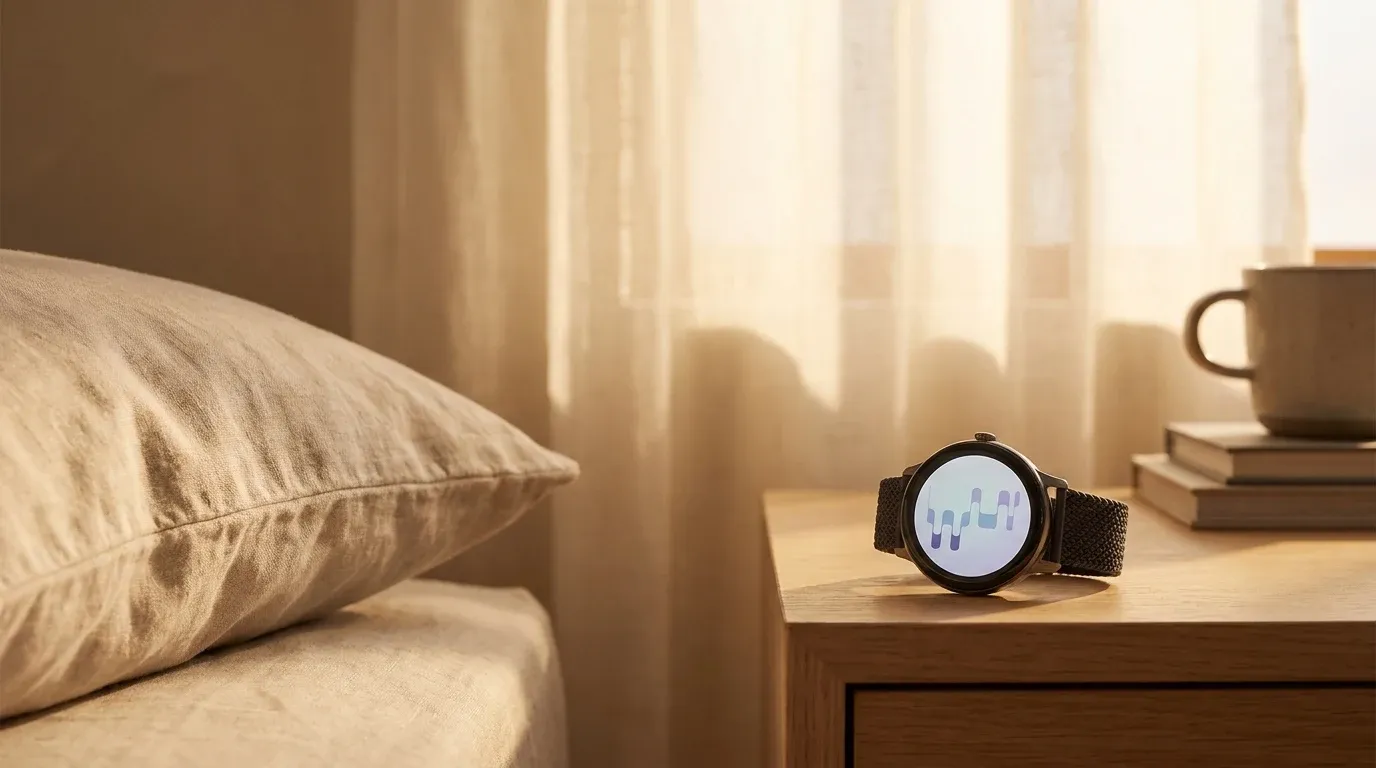
Sleepmaxxing and Wearables: Why Sleep Became the #1 Wellness Priority in 2026
The global sleep trackers market hits $30.88 billion in 2026. From AI wearables to sleepmaxxing culture and data privacy tensions, here's what this movement actually means for your health.

VR for Stress Relief: What the Science Says
A new meta-analysis confirms VR interventions reduce stress in healthy adults. Here's what the evidence says and whether consumer headsets are worth it.
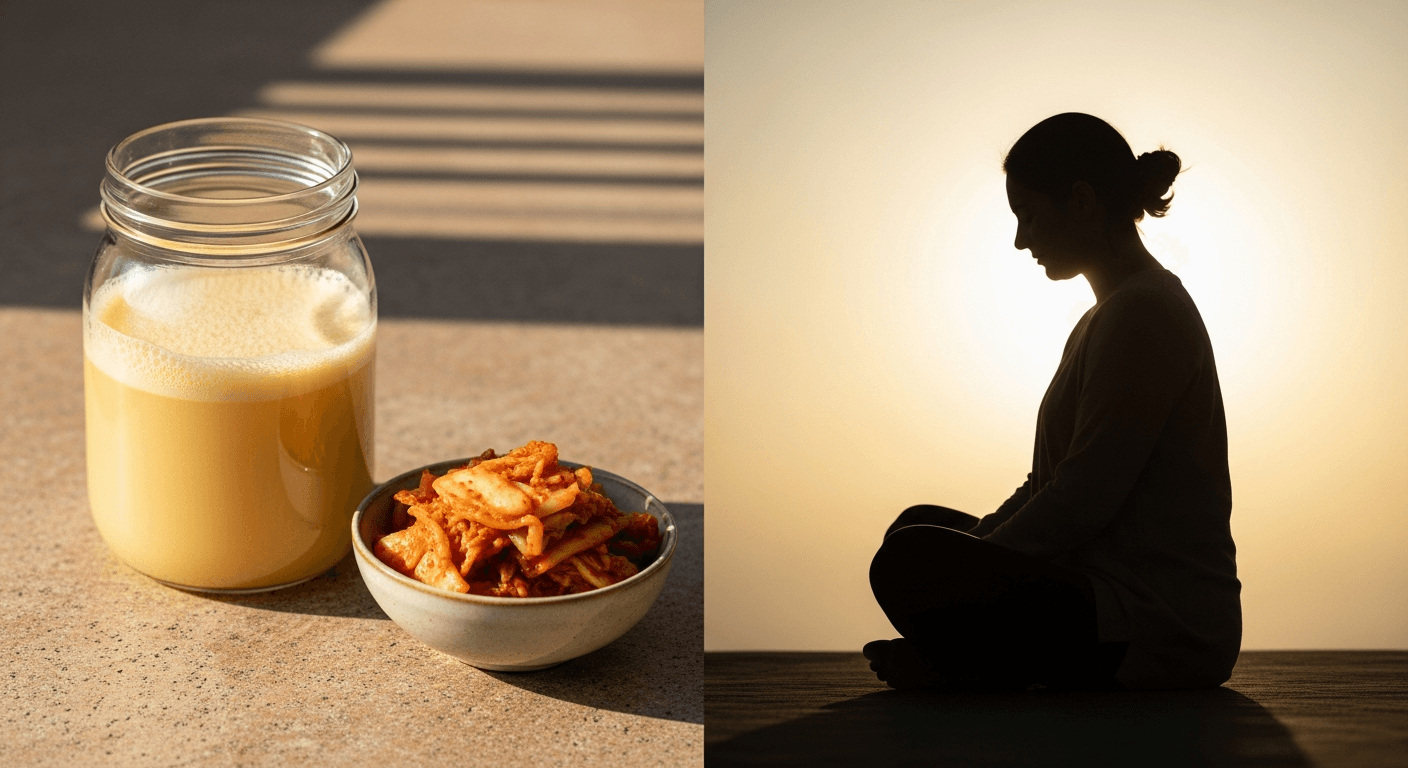
Stress and Gut Health: The Link You're Probably Missing
Chronic stress reshapes your gut microbiome within days, not months, and a disrupted microbiome makes stress worse. Here's how to break the loop.

Recovery Tools That Actually Work in 2026
Sleep alone isn't enough. Here's the evidence-backed recovery toolkit most people ignore: active recovery, nutrition timing, social connection, and nervous system regulation.

Daily Mobility: The Minimum That Changes Everything
A consistent 5–10 minute daily mobility practice outperforms occasional long sessions for joint health, pain reduction, and functional range of motion.
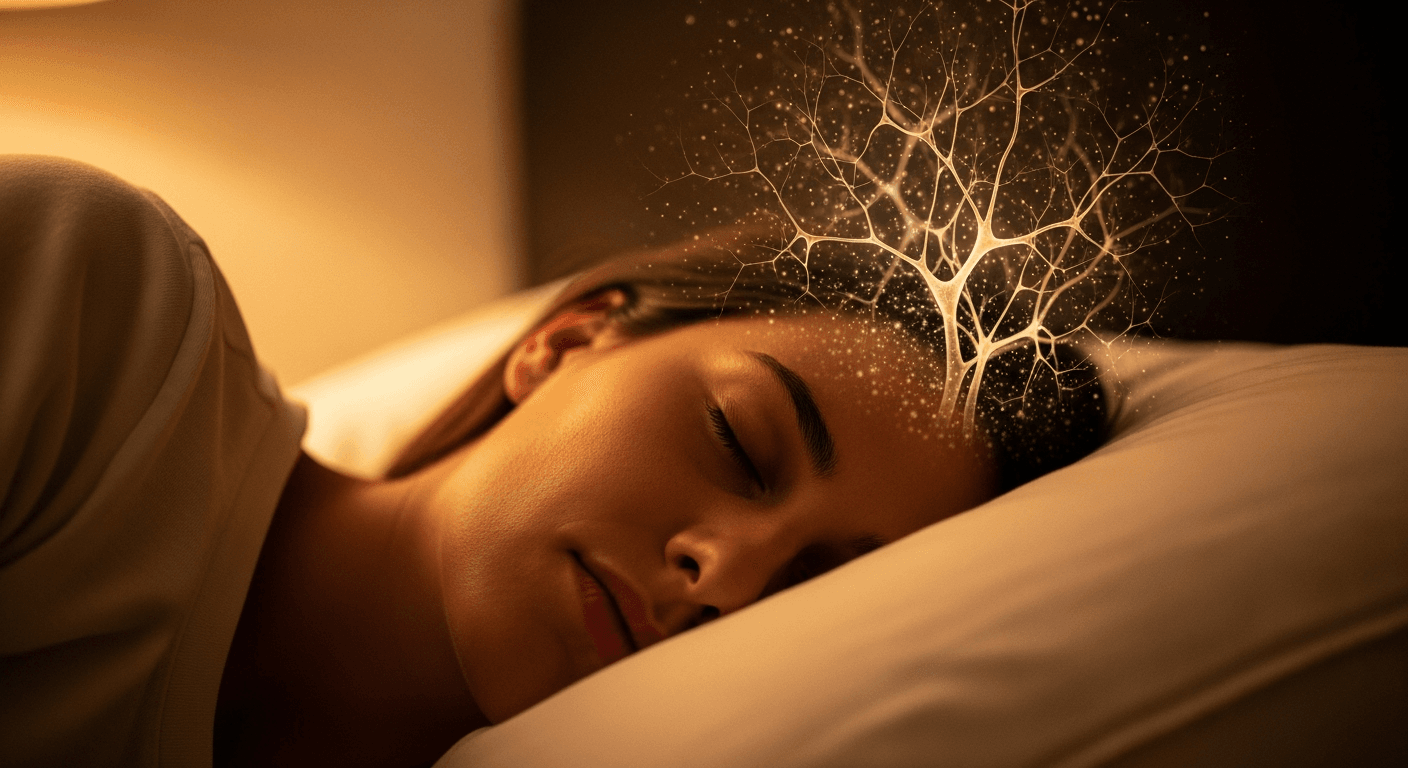
What Your Brain Really Does During REM Sleep
New HHMI research shows your motor cortex keeps firing during REM sleep, revealing why protecting your final sleep hours matters as much as total duration.

Your Personality Type Changes How You Should Manage Stress
A May 2026 study finds neuroticism, openness, and anxiety sensitivity predict stress differently by sex, making generic stress programs ineffective for most people.

How to Protect Your REM Sleep Every Night
New HHMI research explains why REM sleep is the phase you lose first and how consistent wake times, less alcohol, and an earlier caffeine cutoff protect it every night.

Cognitive Reappraisal: The Stress Tool You're Not Using
A May 2026 Acta Psychologica study confirms cognitive reappraisal reliably lowers stress across all personality types. Here's what it is and how to practice it.

What Your Recovery Routine Is Actually Missing
Most athletes focus on training and ignore recovery gaps that quietly block results. Here's what hydration, sleep, and holistic post-workout care actually require.

Thinking About Others Reduces Your Stress: MIT Findings
MIT researchers found that shifting focus to social good during stress rivals proven coping methods and makes you more likely to see stress as enhancing, not debilitating.
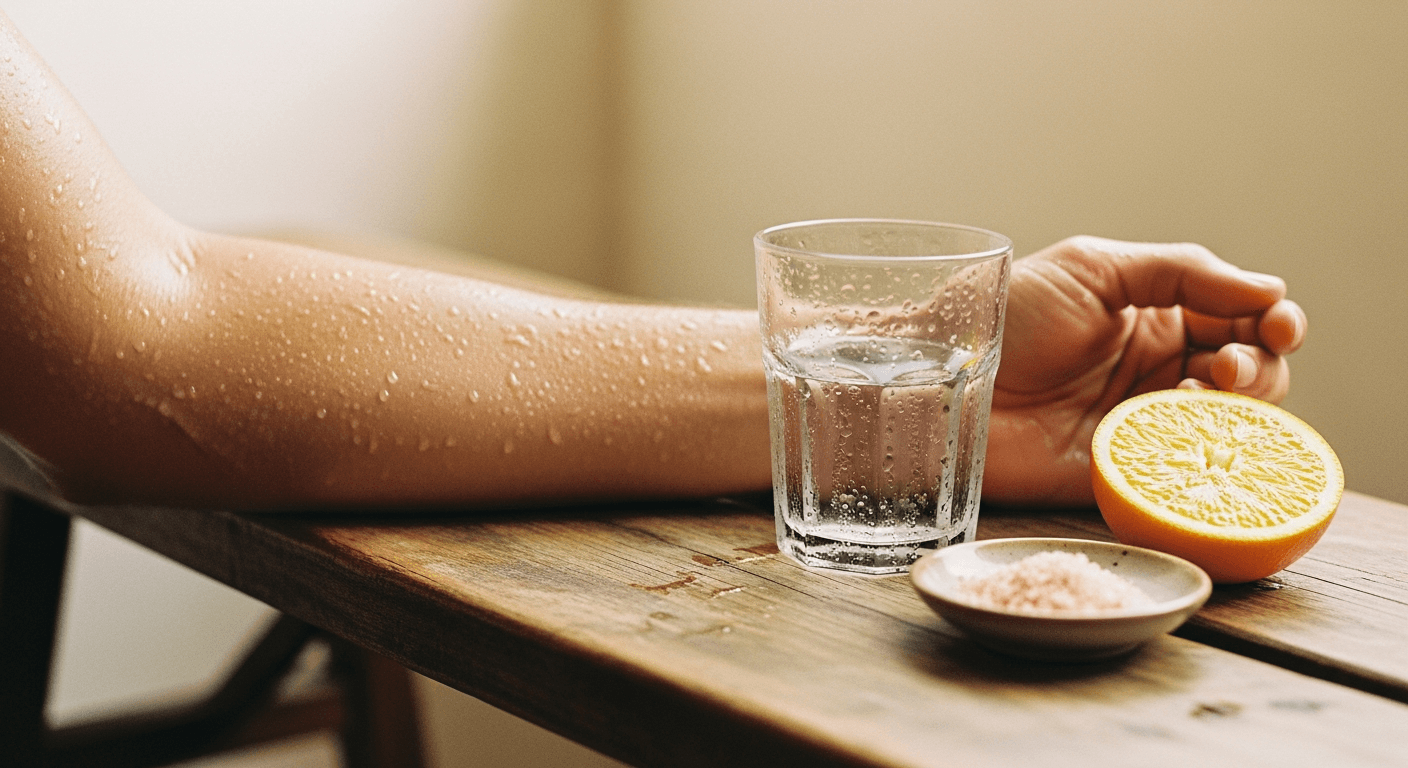
Hydration and Electrolytes: The Recovery Duo You're Ignoring
Muscle cramps and slow recovery may signal electrolyte imbalance, not overtraining. Here's how to fix it with food and smarter hydration.

Deep Rest vs. Meditation: What Stress Science Now Says
New stress research shows deep rest, not just meditation, can trigger the same restorative cellular response. Here's what that means for your recovery.

Stress Coping Strategies That Actually Work in 2026
New 2026 research confirms exercise, social support, and mindfulness as the most effective stress coping strategies — and reveals what most adults do instead.
Social Support: The Recovery Tool You're Underusing
Research ranks social connection among the top three recovery tools, yet it's almost never discussed in training. Here's the science and how to use it.
Too Little or Too Much Sleep Both Hurt You
Both undersleeping and oversleeping raise cardiometabolic risk. Here's what the research says about the optimal window and why quality matters as much as hours.

Mindfulness and Self-Regulation: Your Burnout Shield
Self-regulation and mindfulness aren't soft skills. They're the evidence-backed tools that prevent burnout before it starts, and they fit in under 10 minutes a day.
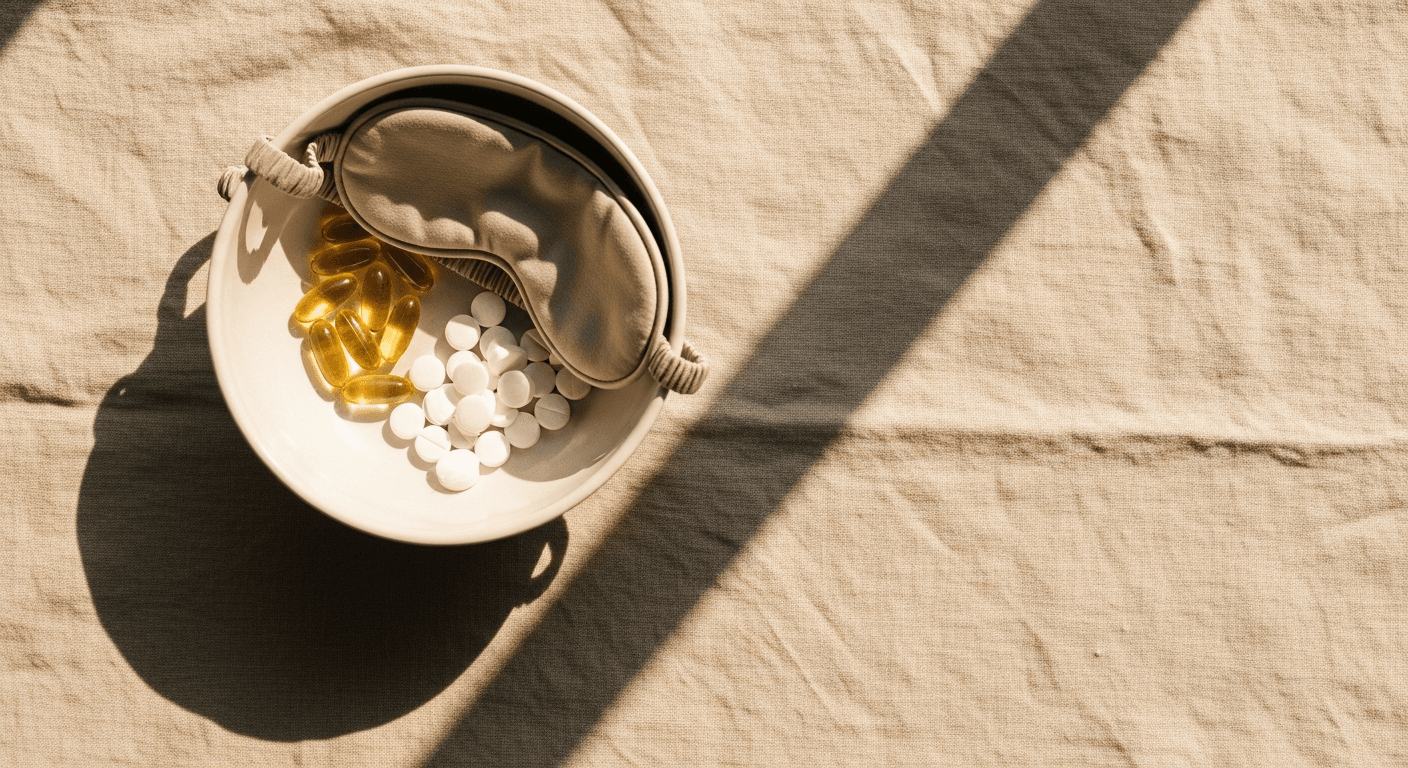
Build a Recovery Stack That Actually Works in 2026
New research reframes what creatine actually does. Here's how to build a recovery stack grounded in 2026 evidence, not marketing.
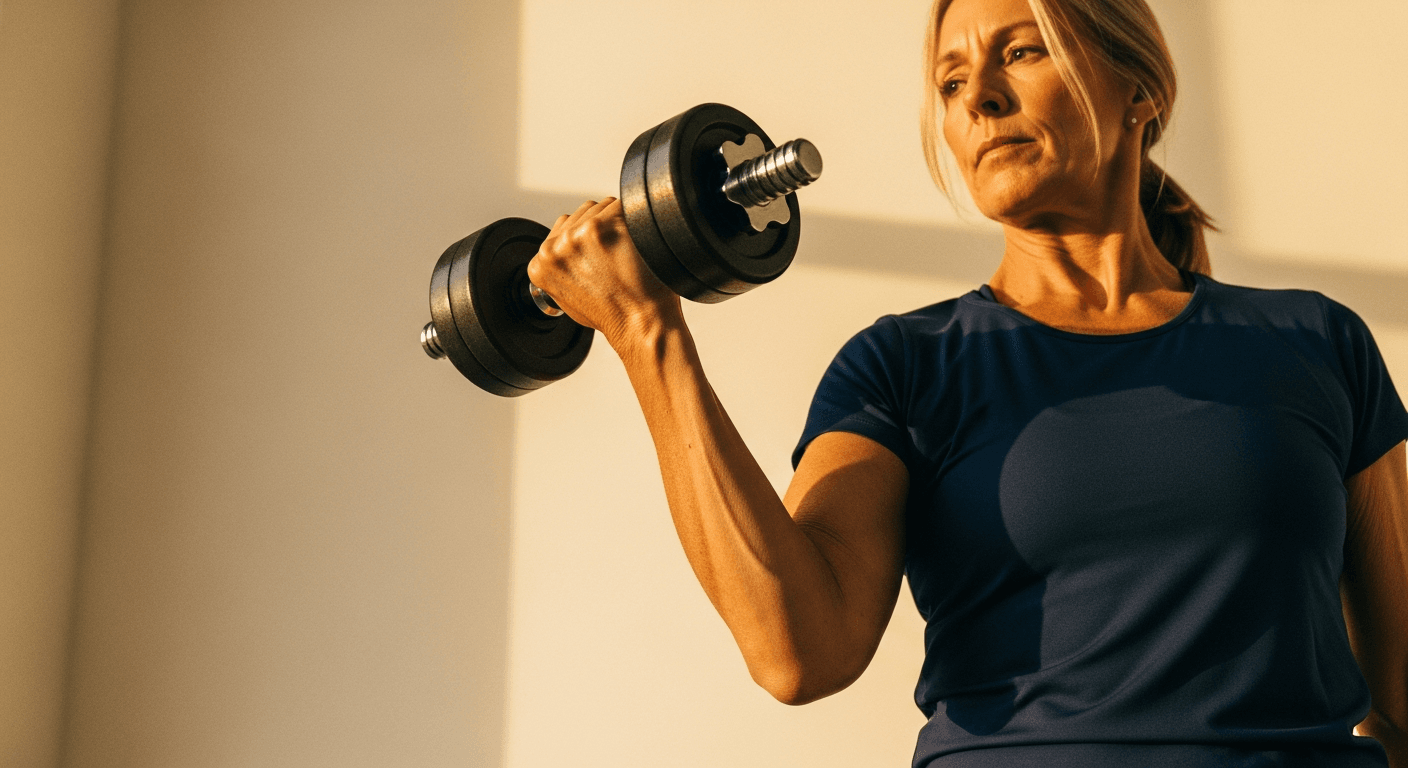
Muscle Strength Predicts Longevity, Especially in Women
A University of Buffalo study finds muscle strength cuts all-cause mortality risk in women through pathways distinct from cardio, reframing strength training as a longevity essential.