
Wellness & Recovery Guides
Sleep optimization, stress management, and mobility guides for active people. Science-backed wellness strategies to help you recover and perform better.
Latest articles (521)
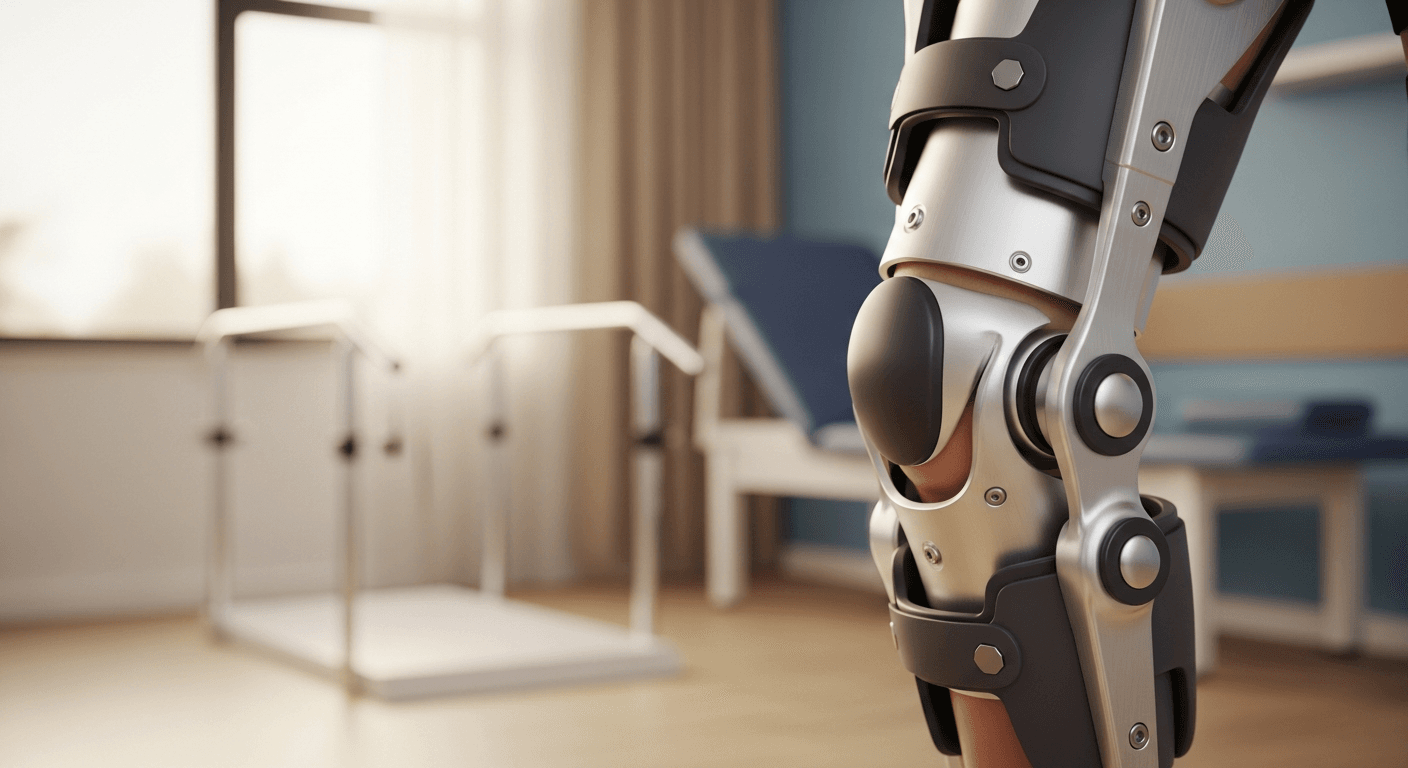
AI and Robotics Are Changing How Athletes Rehab Injuries
AI-powered gait analysis and robotic rehab systems are reshaping injury recovery. Here's what the technology does and what it means for everyday athletes.
Sleeping in Summer Heat: How to Protect Your Recovery When Hot Nights Disrupt Your Sleep
Summer heat delays sleep onset and reduces deep sleep by 15-20%. Complete protocol: room temperature, cool shower (exact timing), hydration, and what doesn't actually work.
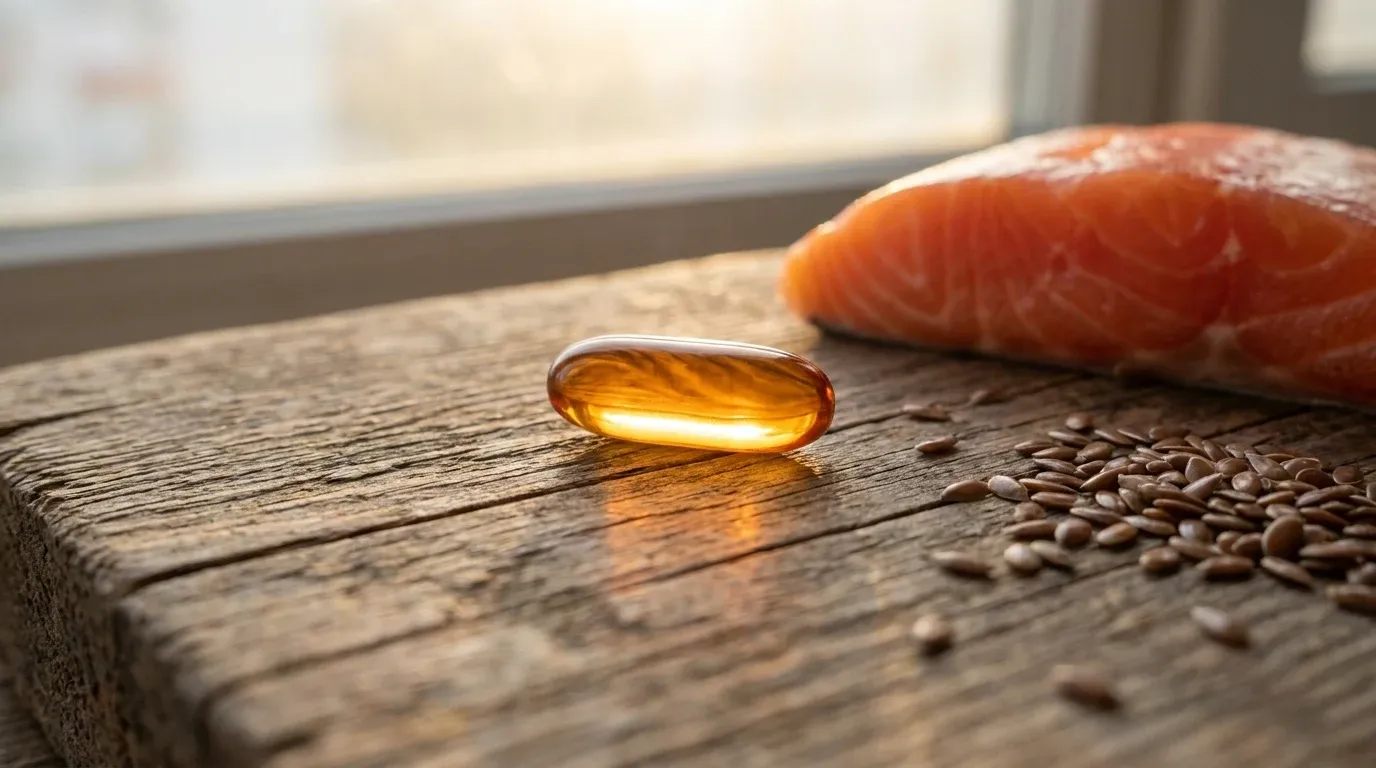
Omega-3 After 50: The Evidence-Backed Guide to the Most Researched Supplement for Aging Adults
Omega-3s have the strongest multi-benefit evidence base for adults over 50: heart, brain, joints. Complete guide on dose, EPA vs DHA, and how to pick a quality product.
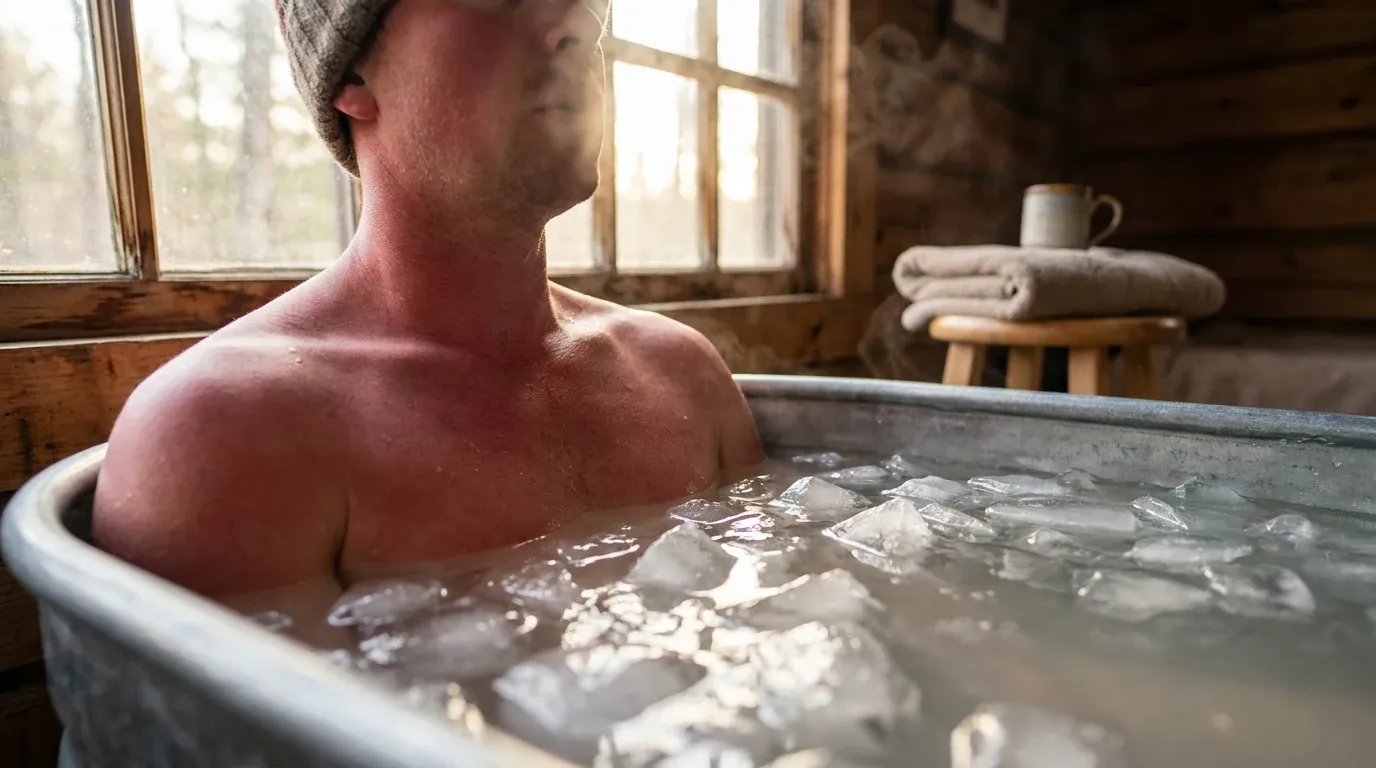
Cold Water Immersion: What the Science Actually Says About Ice Baths and Recovery
Cold water immersion reduces DOMS 31% better than passive rest. But it can blunt muscle growth if mistimed. Full protocol: temperature, duration, timing, and who should use it.
Sleep and Athletic Performance: The Evidence-Based Protocol
80%+ of muscle protein synthesis happens during sleep. Stanford data, the temperature-light-magnesium protocol, and how much sleep you actually need to maximize athletic performance.
The Recovery Signal: How to Recover Well When Summer Heat Sets In
Summer heat changes the rules of recovery. This week's Recovery Signal covers what to adjust — sleep cooling, electrolyte timing, and active recovery windows — for a stronger weekend.
The Recovery Revolution: Why 2026 Is Rejecting Hustle Culture in Fitness
82% of gym members focus more on wellbeing than performance in 2026. The recovery revolution: the biological case against hustle culture and what intelligent training looks like.

Swimming as Active Recovery: Why It Works Better Than Rest
Swimming outperforms passive rest for recovery by using hydrostatic pressure, buoyancy, and low-impact movement to reduce inflammation and maintain fitness.
Summer Recovery: How Heat Changes Your Body's Ability to Recover
Heat systematically degrades recovery: sleep, HRV, cortisol. What summer actually does to your body post-training — and the protocols to compensate.
Sleep Tracking Wearables in 2026: Helpful Tool or Anxiety Machine?
Sleep tracking is the #1 wellness habit of 2026 — but orthosomnia (anxiety from your own sleep score) is real. How to use sleep wearables without making sleep worse.

Recovery After 40: What Your Body Actually Needs
After 40, recovery isn't optional padding in your training plan. Here's the science behind why rest takes longer and how to schedule it effectively.
Pregnancy Stress Leaves Lasting Marks on Your Heart
A University of Delaware study links chronic pregnancy stress to lasting cardiovascular changes in mothers, raising long-term hypertension and heart disease risk.
Matthew Walker at Global Sleep Symposium: Sleep Shapes Elite Performance
Dr. Matthew Walker's keynote at the 2026 Global Sleep Symposium: how sleep shapes elite decision-making under pressure, creative breakthroughs, and cognitive resilience.
Vagus Nerve Training for Recovery: What New Research Shows
New research with HOKA Hackney runners shows vagus nerve training accelerates recovery in athletes at all levels. No expensive device required.
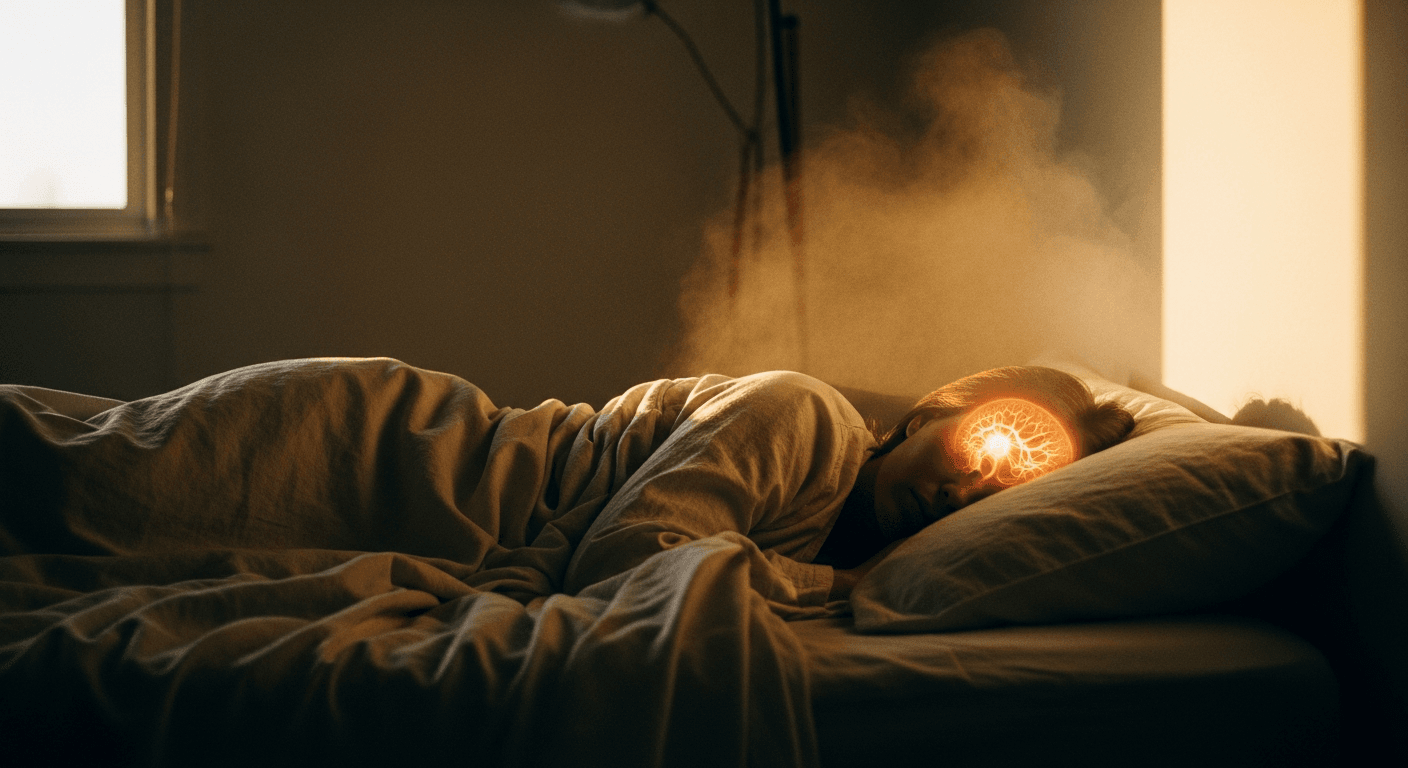
Sleep Prepares Your Brain to Learn and Remember
New APA-backed research shows sleep actively resets neural pathways, consolidates memory, and triggers the glymphatic system to clear brain waste linked to dementia.

Your Brain Detoxes While You Sleep: The Glymphatic System
Your brain clears toxic waste during sleep via the glymphatic system. Disrupting it raises dementia risk. Here's what science says to do about it.

Feeling Older Than Your Age? Check Your Sleep First
Research shows feeling older than your age links directly to poor sleep quality. Improving sleep consistency may be the most underrated anti-aging tool available.

Weekend Sleep Recovery Cuts Teen Depression Risk by 41%
Teens who catch up on sleep on weekends have a 41% lower risk of developing depressive symptoms. A 2026 study that challenges the idea that weekend sleep doesn't help.
Sleep and Moderate Exercise: The Duo That Protects Mental Health at 46
A University of Oulu study (4,500 participants, June 2026) shows replacing 30 minutes of sedentary time with MVPA reduces depression by 9% and anxiety by 5% at age 46.

The Recovery Signal: Rest and Recovery Are Foundational in 2026
The Recovery Signal: in 2026, rest and recovery have become foundational health priorities. Evidence-backed practices and the rise of HRV tracking as a personalized recovery tool.
Vagus Nerve Stimulation: The Recovery Edge Runners Need
A June 2026 study found vagus nerve stimulation improves HRV, sleep quality, and training readiness in endurance athletes, reframing recovery as a neurological process.
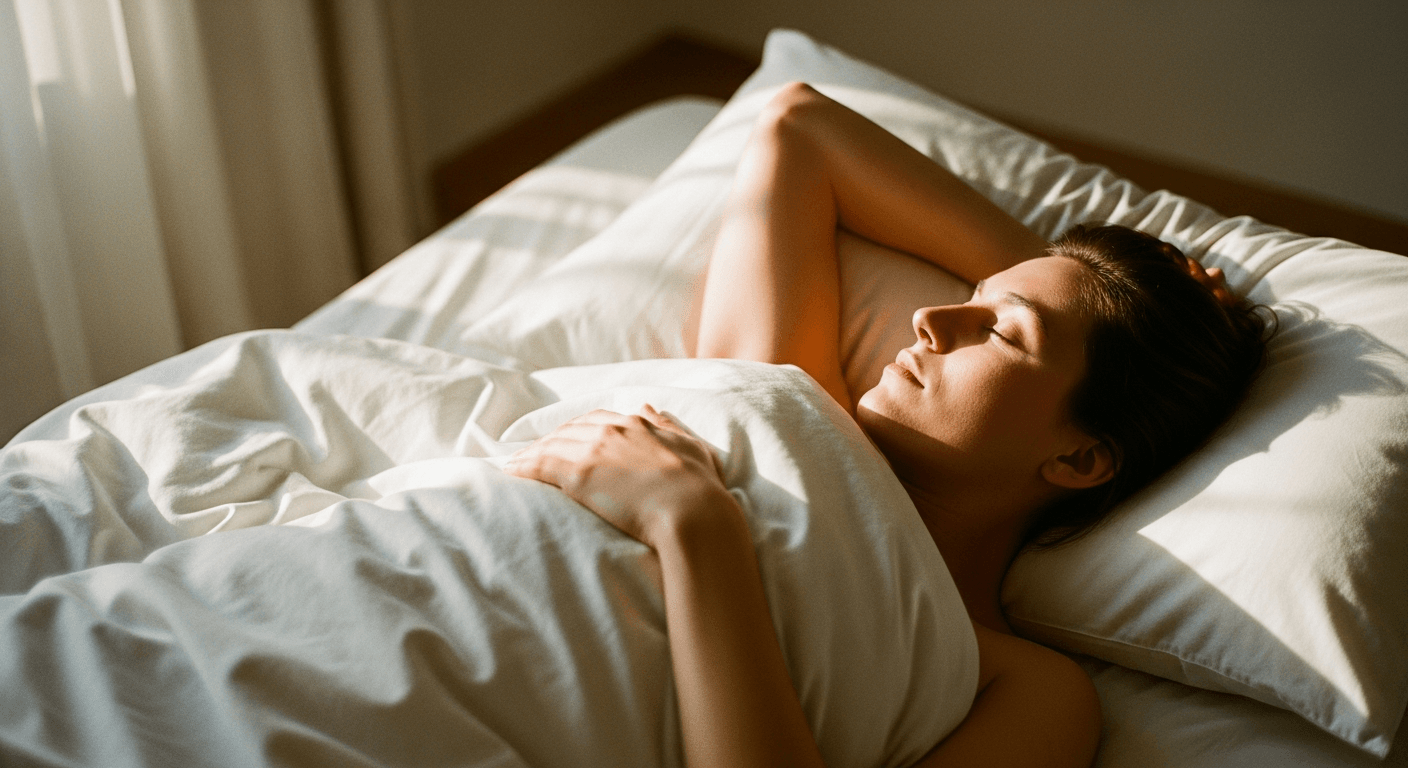
The #1 Habit That Fights Work Stress, Per a 10-Year Study
A 10-year study of 2,871 workers confirms sleep quality is the single most effective habit for buffering chronic workplace stress, outranking exercise, diet, and every other lifestyle factor.
Chronic Sleep Trouble Raises Dementia Risk by 40%, Mayo Study Finds
A Mayo Clinic study links chronic sleep problems to a 40% higher dementia risk, making persistent poor sleep a serious brain health issue, not just a lifestyle inconvenience.
How to Train Your Nervous System for Faster Recovery
The June 2026 study shows HRV and sleep improve when athletes train their nervous system directly. Here's how to do it without spending a dollar extra.