
Your team's health is your best investment
Corporate wellness guides, data, and programs for companies integrating fitness into their culture. Reduce absenteeism and boost team performance.
Latest articles (215)

Remote Work's Wellbeing Paradox: Better Mood, Less Movement
Remote workers report the highest wellbeing scores, yet move the least. Here's what the 2026 research says and what HR leaders should do about it.

Most US Workers Are Still Languishing in 2026
The 2026 Workplace Wellbeing Report finds most US workers still languishing. Physical well-being ranked highest, making fitness programs the strongest lever HR has right now.
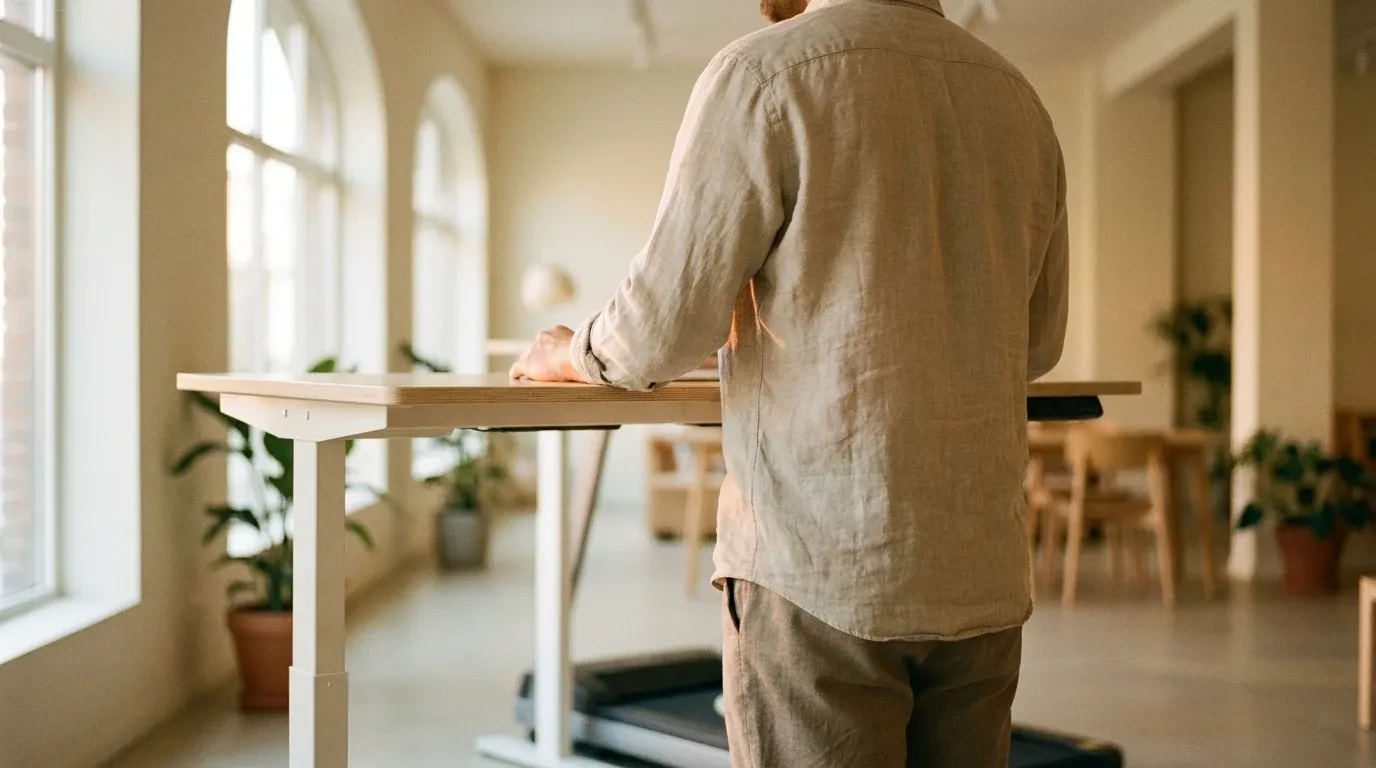
Active Workstations: What the 2026 Evidence Actually Shows
A July 2026 study confirms active workstations cut sedentary time without hurting performance, but long-term evidence gaps mean HR buyers should stay cautious.

How Physical Activity Boosts Work-Life Balance: What New Research Shows
A 2026 study links regular exercise to life satisfaction through three pathways: work-life balance, competence, and job motivation. Here's what that means for HR program design.

The Gender Burnout Gap HR Is Still Missing in 2026
2026 data reveals women face significantly higher burnout rates driven by caregiving loads. Here's what HR teams are still getting wrong.

Remote Work Gives You More Sleep But Less Movement
Remote workers gain real sleep from skipping commutes, but accumulate far more sedentary time than office workers, creating a hidden health risk most wellness programs don't track.
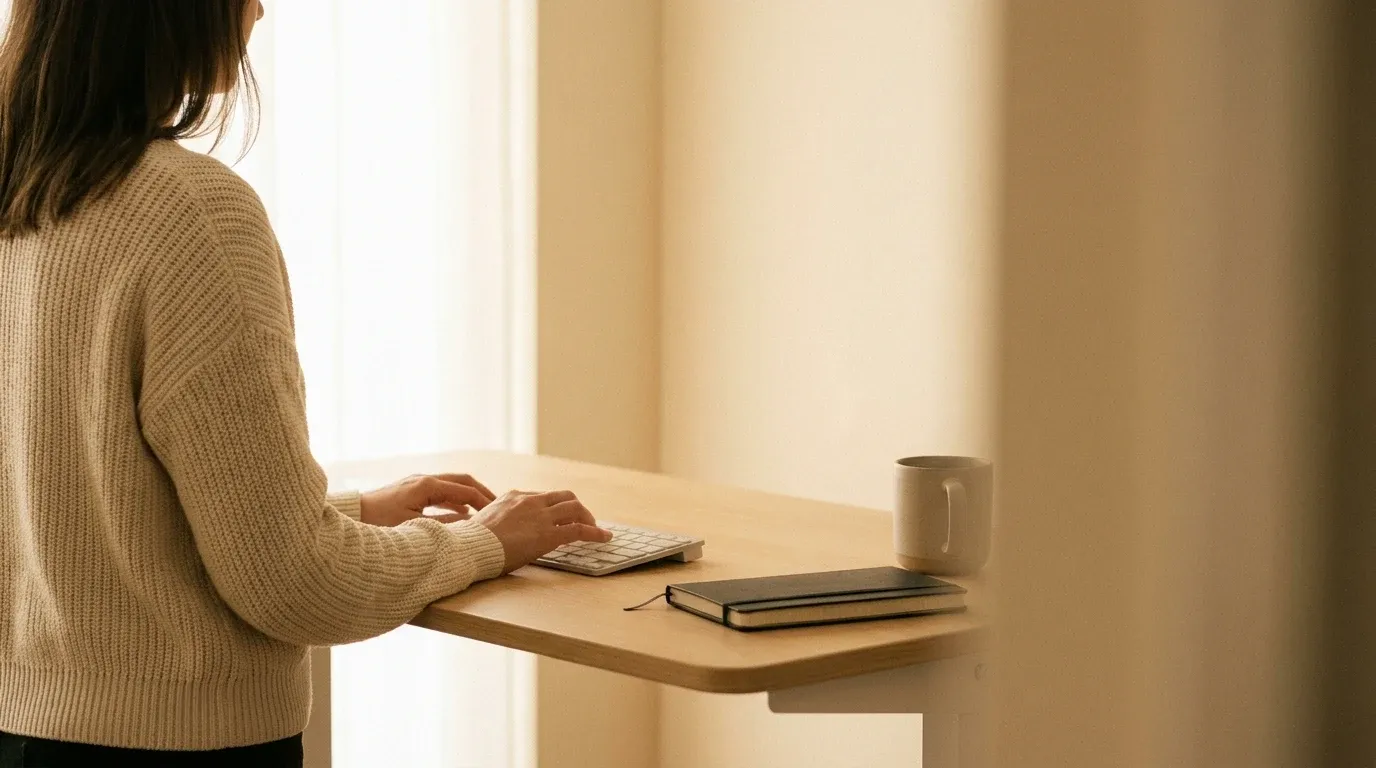
Remote Work Gives You Sleep But Steals Your Movement
A University of Turku study finds remote workers sit significantly longer than office peers, despite sleeping slightly more. Here's what that means for your health and your HR policy.

Work Exercise Doesn't Protect Your Heart. Leisure Does.
A September 2026 Japanese study finds that job-based physical activity offers no meaningful heart protection. Leisure exercise does. Here's what that means for workers and employers.

Remote Work Is Making You Isolated and Less Active
Two major studies link remote work to sharply higher isolation, mental distress, and sedentary time. Here's what the research says about fixing it structurally.
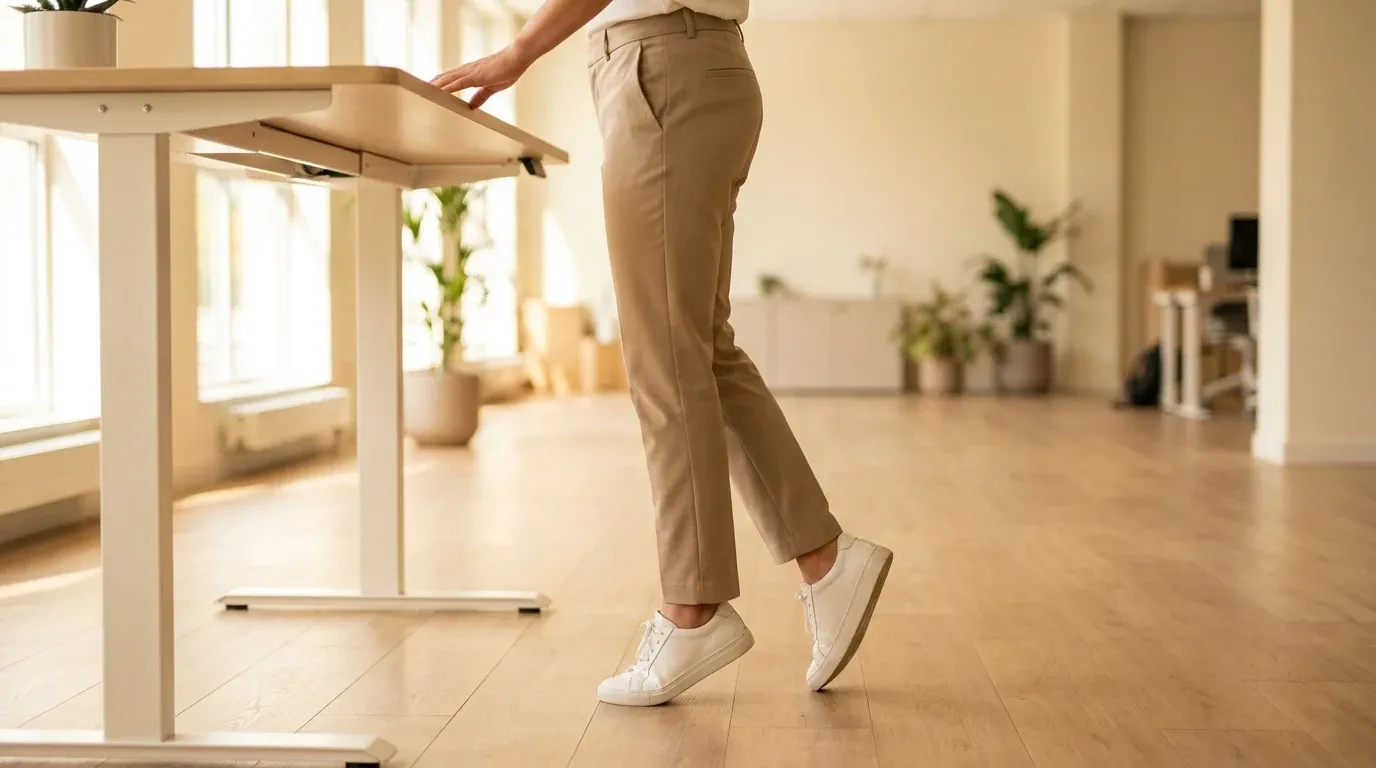
Exercise Snacks for Desk Workers: 5 Science-Backed Rules
New 2026 research confirms short movement bursts beat longer sessions for desk workers. Here are 5 science-backed rules to build the habit.

Ergonomics Is Moving Up the Corporate Agenda in 2026
New September 2026 data shows corporate ergonomics spending is accelerating. Here's why HR leaders must treat it as risk mitigation, not a perk.

Sit-Stand Desks: What 2026 Research Actually Shows
Two studies from September 2026 show sit-stand desks drive stronger behavioral change than any comparable intervention. Here's what the evidence actually means for your workplace.
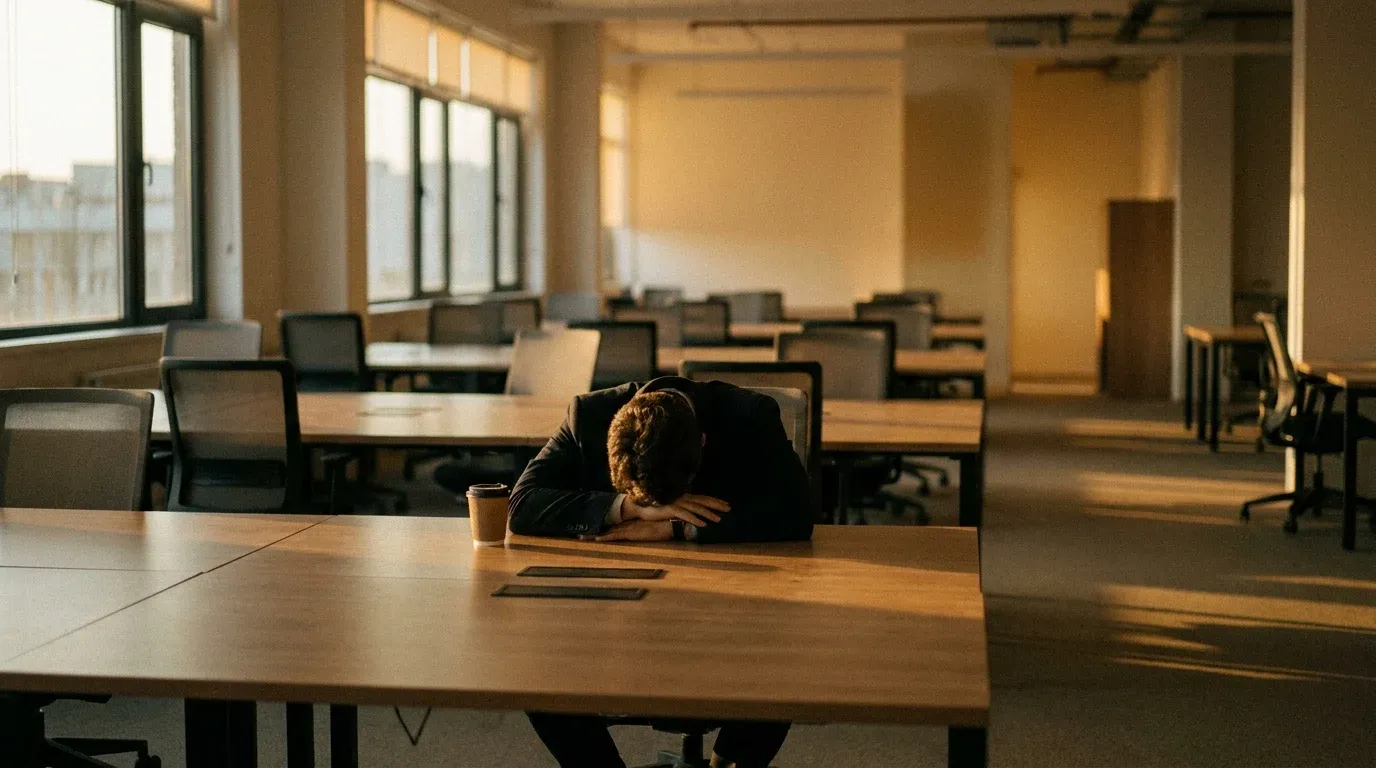
Burnout Costs 15-20% of Payroll. Here's the HR Fix
Burnout now costs 15-20% of annual payroll in voluntary turnover. Here's the data and the five HR levers that measurably reduce it.

Ergonomic Interventions: The Productivity ROI Case
Two 2026 studies confirm ergonomic interventions boost productivity and well-being, giving HR leaders the data to justify workspace investment as ROI, not just compliance.
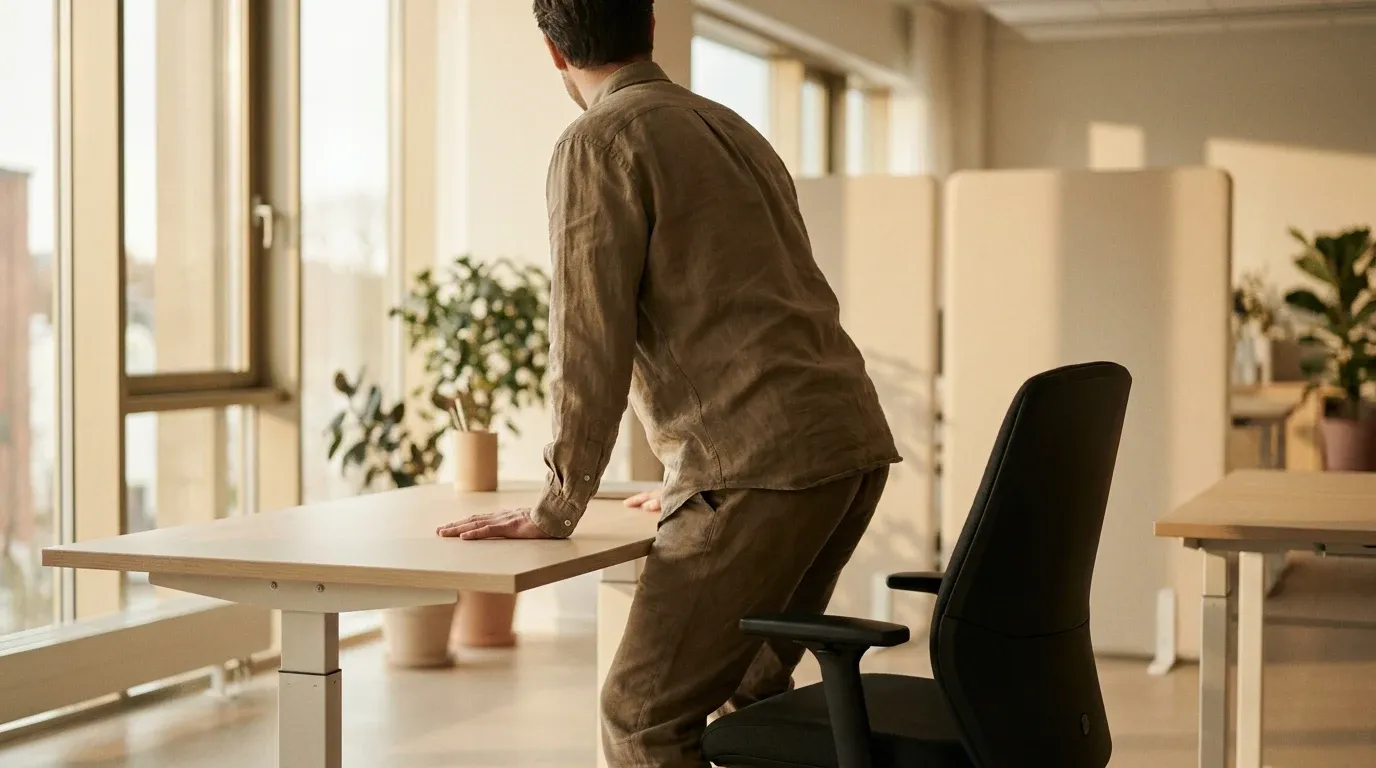
Desk Workers Sit 76% of the Day: What to Do
New 2026 ergonomics research finds desk workers sit 76% of their day. Here's the zero-cost movement protocol that actually fixes it.

55% of Workers Report Burnout: The HR Playbook for 2026
55% of U.S. workers report burnout in 2026, yet only 27% trust their employer's commitment. Here's the evidence-based HR action plan that goes beyond performative wellness.

Burnout Signals Start Outside Work, New Research Finds
New peer-reviewed research from WellBalance finds that sleep, social connection, and exercise decline predict burnout weeks before work stress becomes visible.

WFH Gives You More Sleep But Kills Your Step Count
Remote days give hybrid workers 15 more minutes of sleep but strip nearly 60 minutes of daily movement. Here's what the research means for you and your workplace.

61% of Workers Are Languishing: The HR Action Plan
61% of US workers are languishing in 2026, unchanged from 2025. Here's the HR action plan that targets root causes, not symptoms.

Wellness at Work: 89% Perform Better When Health Is Prioritized
New data from 5,000+ workers shows 89% perform better with structured wellness. Here's why leading employers are rebuilding around it.
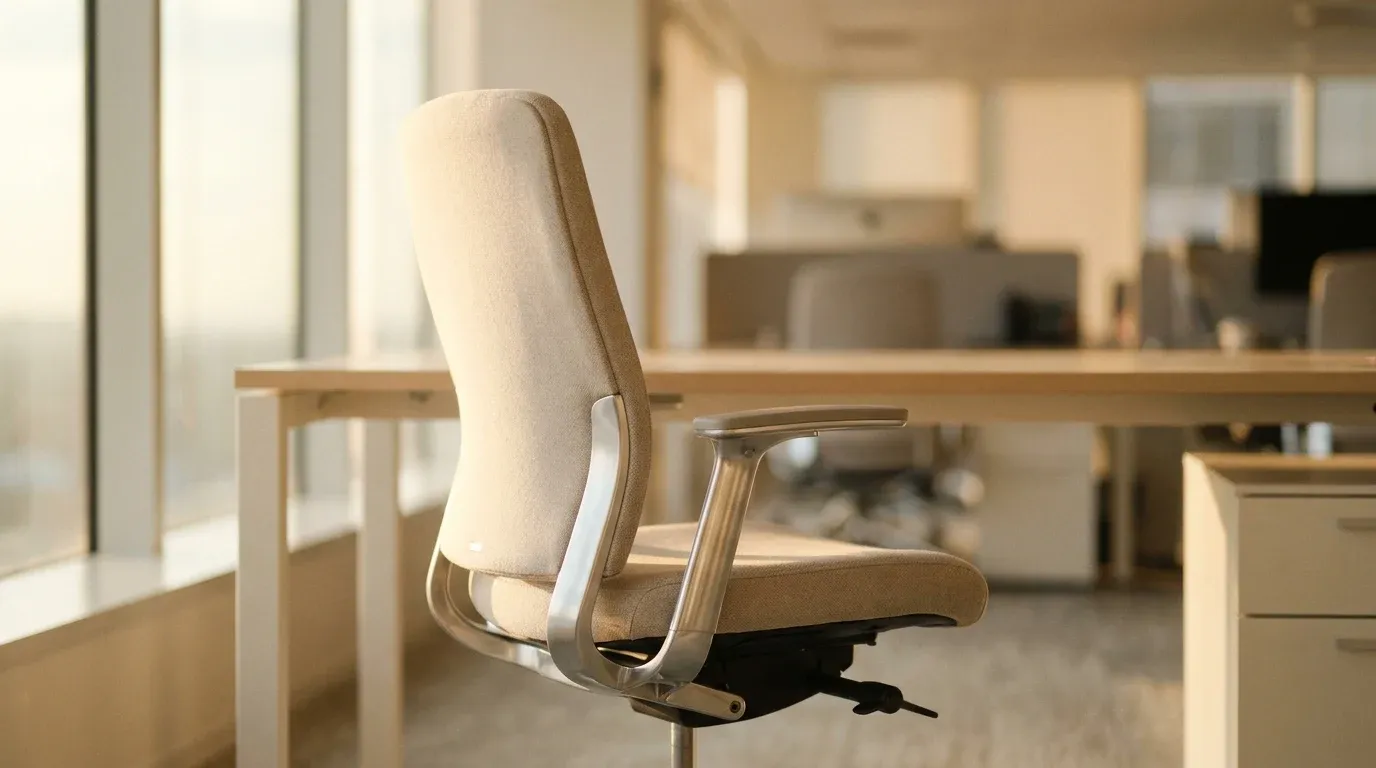
Chair Ergonomics: The Safety Audit Gap Costing You
A September 2026 occupational health report flags chair ergonomics as the top missed item in workplace safety audits, with direct costs in MSDs, absenteeism, and liability.

Desk Exercise: What the Science Actually Supports
Short movement breaks at work have real metabolic and cognitive benefits. Here's what the research actually supports and how to deploy it at scale.

Workplace Meditation: What the Science Actually Proves
A September 2026 meta-analysis confirms workplace meditation reduces stress and burnout, but finds low evidence certainty and zero cardiometabolic effect. Here's what HR leaders should actually expect.

Mindful Breathing at Work: The Burnout Tool HR Is Overlooking
New research shows mindful breathing reduces burnout's early physiological signals. Here's how HR can deploy it at zero cost inside existing workflows.