
Your team's health is your best investment
Corporate wellness guides, data, and programs for companies integrating fitness into their culture. Reduce absenteeism and boost team performance.
Latest articles (294)

Remote Work Wellbeing 2026: The Gains and the Hidden Costs
93% of remote workers report mental health gains from flexibility, but isolation and boundary erosion are creating a hidden wellbeing crisis most employers aren't measuring.

Why Company Culture Beats Wellness Perks Every Time
New 2026 research shows organizational culture, not wellness perks or program spend, is the strongest predictor of lasting employee health behavior change.

Why Generic Wellness Programs Are Failing Workers
Generic corporate wellness programs attract the already-healthy and ignore high-risk workers, widening health gaps. Here's why HR leaders need a segmented strategy.

2026 Wellbeing Report: Most US Workers Are Still Languishing
The 2026 Workplace Wellbeing Report finds most US workers still languishing. Individual perks aren't enough. Systemic change is what actually works.

Moderate Exercise Cuts Burnout and Quiet Quitting Risk
University of Michigan research links moderate exercise to lower burnout and less quiet quitting, giving HR leaders a low-cost, high-impact retention tool.

Habit Stacking: The Method That Makes Workplace Wellness Stick
Habit stacking combined with exercise snacking is the most effective strategy for making workplace wellness programs durable, according to April 2026 research.

Ergonomics Is a Performance Driver, Not Just Injury Prevention
New occupational health research reframes ergonomics as a direct driver of productivity, lower error rates, and talent retention, not just injury prevention.

Digital Health Programs Improve Workplace Productivity: New Data
New April 2026 research shows digital behavioral health programs boost employee concentration, accuracy, and task completion within weeks, giving HR leaders an evidence-backed productivity strategy.

Workplace Burnout: 90% of Employees Affected, Here's What HR Must Do
90% of employees experienced burnout symptoms in 2026. Only 1 in 4 believes their organization genuinely cares about their wellbeing. The data, the causes, and what actually works.
Healthee Joins Workday: AI Is Now Inside Your Company's Benefits Navigation
Healthee became a Workday Wellness Partner on April 2, 2026. AI now helps employees navigate health benefits inside Workday. Analysis of the B2B wellness tech integration trend.

Corporate Wellness 2026: $6 Saved for Every $1 Invested — The Report That Changes the CFO Conversation
87% of organizations have wellness programs in 2026. Average ROI is 6 to 1. The complete data to change the conversation with HR directors and justify every dollar invested.
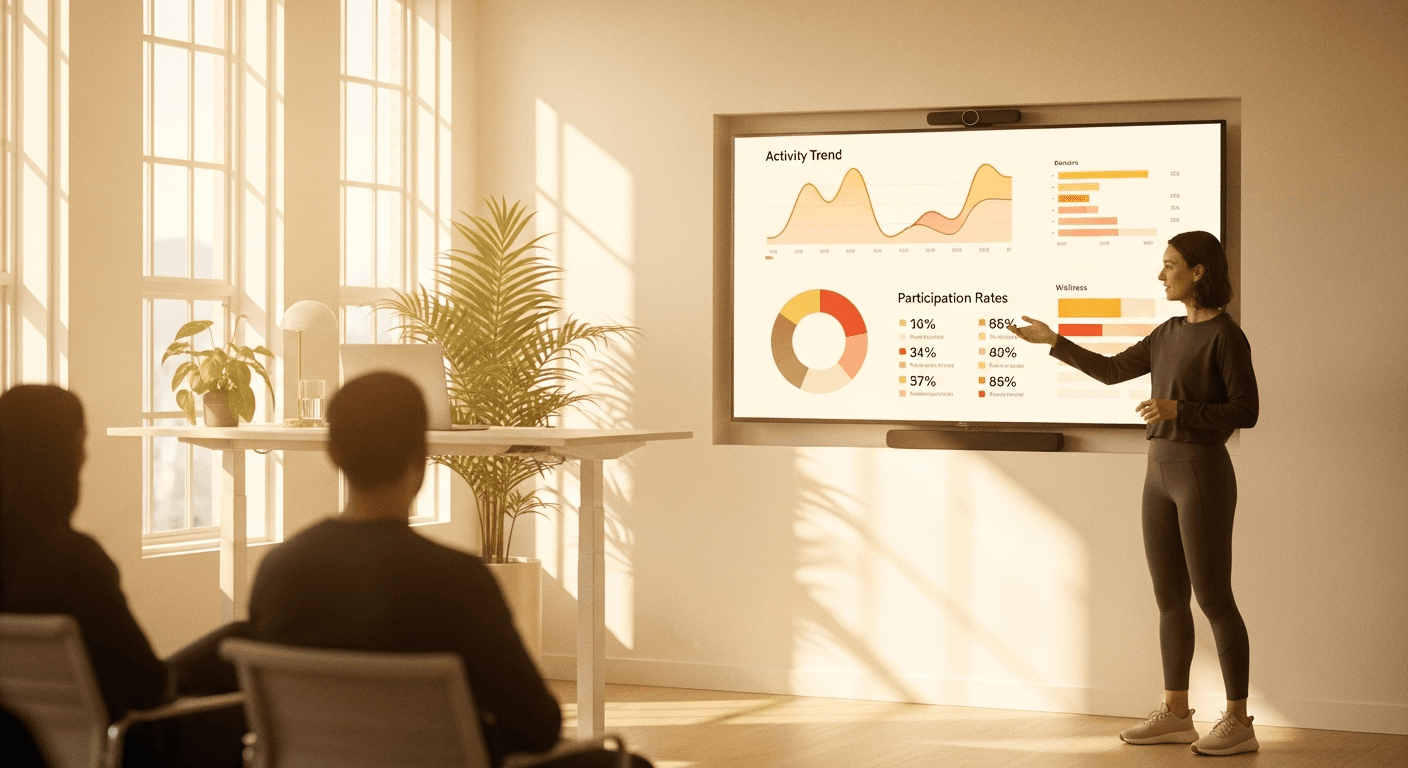
How to Pitch a Wellness Program to Leadership
How to get leadership buy-in for a corporate wellness program, even without a dedicated budget. The arguments, metrics, and strategy to go from idea to yes.

Corporate Wellness ROI: $1 Saves $3, Gen Z Demands It
Corporate wellness programs return $1.50-$3 per dollar invested. And for Gen Z, it's a non-negotiable demand, not a perk.

How to Get Your Wellness Program Approved by Finance
The classic HR mistake in 2026: speaking wellbeing to leadership thinking in dollars. The financial framework to get approval and the numbers that land.

Corporate Wellness ROI: The Numbers HR Leaders Need in 2026
Corporate wellness isn't an optional perk anymore — it's a measurable investment. In 2026, 95% of companies measuring wellness program ROI see positive returns. Here are the numbers that actually convince leadership teams.

Burnout Is Costing Companies $322B a Year — And It's Getting Worse
Burnout isn't a personal problem anymore — it's a P&L problem. In 2026, over 75% of workers report experiencing burnout. The cost to US employers alone exceeds $500 billion annually. Here's the calculation that changes the conversation.

Financial Wellness Is Now a Top Employer Priority — and It's Reshaping Health Programs
41% of employers are raising wellness budgets, with financial wellness now a top-3 priority. Here's what that means for physical health and fitness professionals.

Sedentary Work and Workplace Interventions: What the Lancet Review Says
A 2025 Lancet Public Health umbrella review found sit-stand desks cut daily sitting by up to 88 minutes. Here's what HR teams should act on.

4-day work week and physical health: what trials show at 12 months
A 12-month trial across 141 organizations found a 65% drop in sick days and sustained health gains. Here's what the data actually shows.

Wellhub 2026: The Data Proving Workplace Wellness Actually Impacts Performance
Wellhub's 2026 report finally quantifies wellness ROI: 4.5x lower quit intent, 28% less absenteeism, €2.30 return per euro invested. And the adoption gap that explains why it doesn't work everywhere.
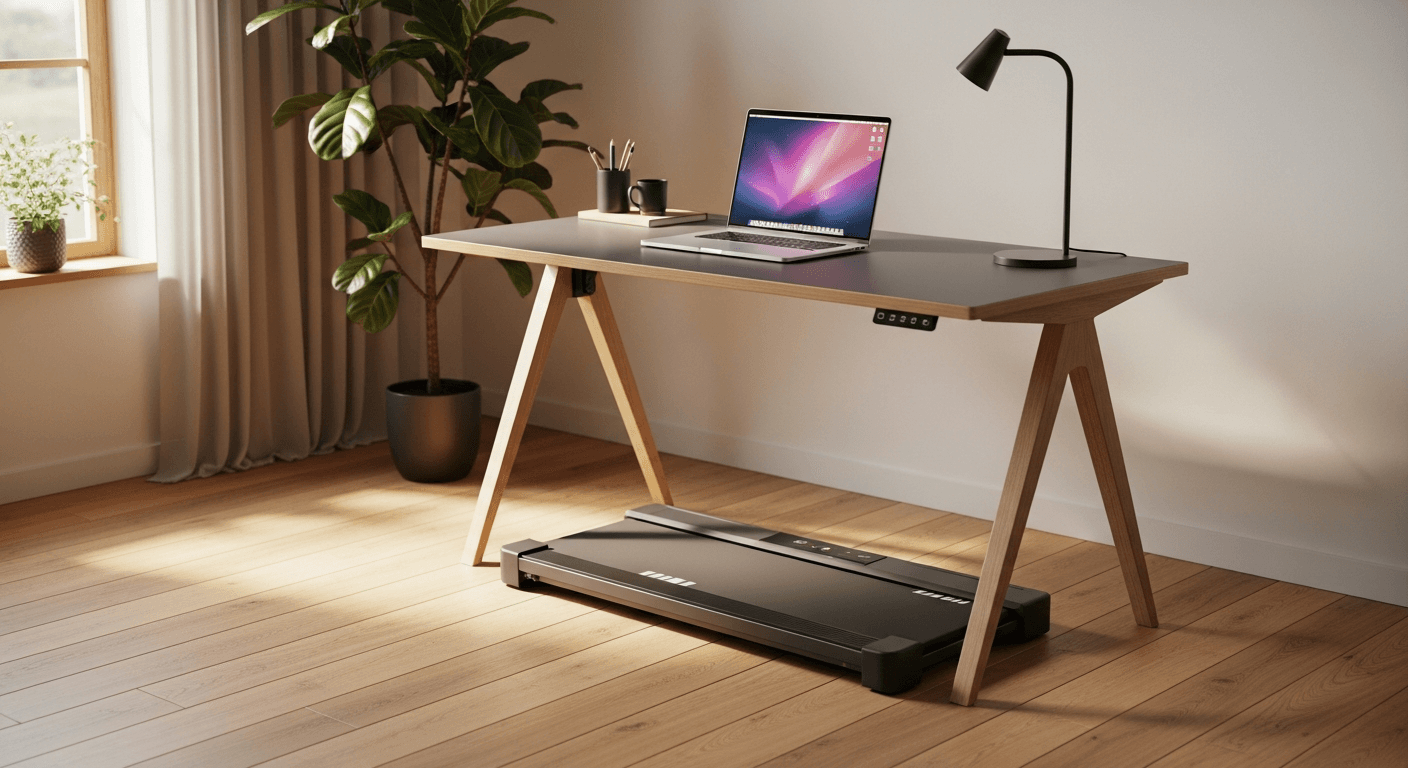
Standing Desk vs Walking Pad: What Science Says
Workplace Wellness by the Numbers. Active workstations have gone from niche to mainstream. A meta-analysis quantifies +105 kcal/hr for walking pad desks. But research also shows cognition degrades on complex tasks above 2 km/h. The evidence-based protocol.

89% of Employees Work Better When They're Healthier. Only 1 in 4 Feels Their Company Actually Cares
89% of employees perform better when they prioritize their health. But only 1 in 4 feels their company actually cares. Wellhub's 2026 report documents the gap — and what it costs organizations that don't take it seriously.

Corporate Wellness Programs: 81% of Employers Think They Work. Only 55% of Employees Agree.
81% of employers say their wellness programs work. Only 55% of employees agree. Here's what the 2026 data reveals about why the gap exists.

Sedentary office work: the numbers that should alarm executives
74% of French employees sit 7+ hours daily. Here's the financial case for why executives can't afford to ignore workplace sedentary behavior.