
Your team's health is your best investment
Corporate wellness guides, data, and programs for companies integrating fitness into their culture. Reduce absenteeism and boost team performance.
Latest articles (215)

Workplace Wearables: The HR Responsibility Nobody Asked For
As corporate wearable adoption grows, HR teams face urgent, unresolved legal and ethical responsibilities around employee biometric data that most organizations aren't prepared for.

1 in 3 Workers Is Just Surviving: What HR Is Missing
A new global study finds 1 in 3 workers is merely surviving. Here's why traditional HR benefits aren't built to detect or fix it.

68 Studies: Digital Tools Cut Office Sedentary Time
A review of 68 studies identifies 45 digital interventions that cut office sitting time, giving HR leaders a ranked framework for 2026 wellness investment.

Burnout Is Now an Org Problem: 84% Report Lost Output
The 2026 Workforce Mental Health Report shows 84% of employees report burnout-driven productivity loss. Here's why this demands a structural C-suite response.

No Mental Health Access Raises Burnout Risk 69%
Spring Health's 2026 survey of 1,500+ employees finds that lacking effective mental health access raises burnout risk by 69%, with 84% saying burnout already hurts productivity.

AI Job Insecurity Is Fueling Burnout on the Shop Floor
A May 2026 study confirms AI job insecurity directly drives burnout in manufacturing. AI literacy and transparent leadership communication are the interventions that work.

Weekend Athlete Syndrome Is Injuring Desk Workers
New orthopaedic data shows desk workers are surging into weekend sport from a sedentary base, and warm-ups alone won't prevent the injuries piling up.

Manager Behavior Cuts Burnout Risk by 48%, Study Finds
Two May 2026 studies show manager behavior cuts burnout risk by 48%, while 61% of HR teams report burnout is already rising this year.
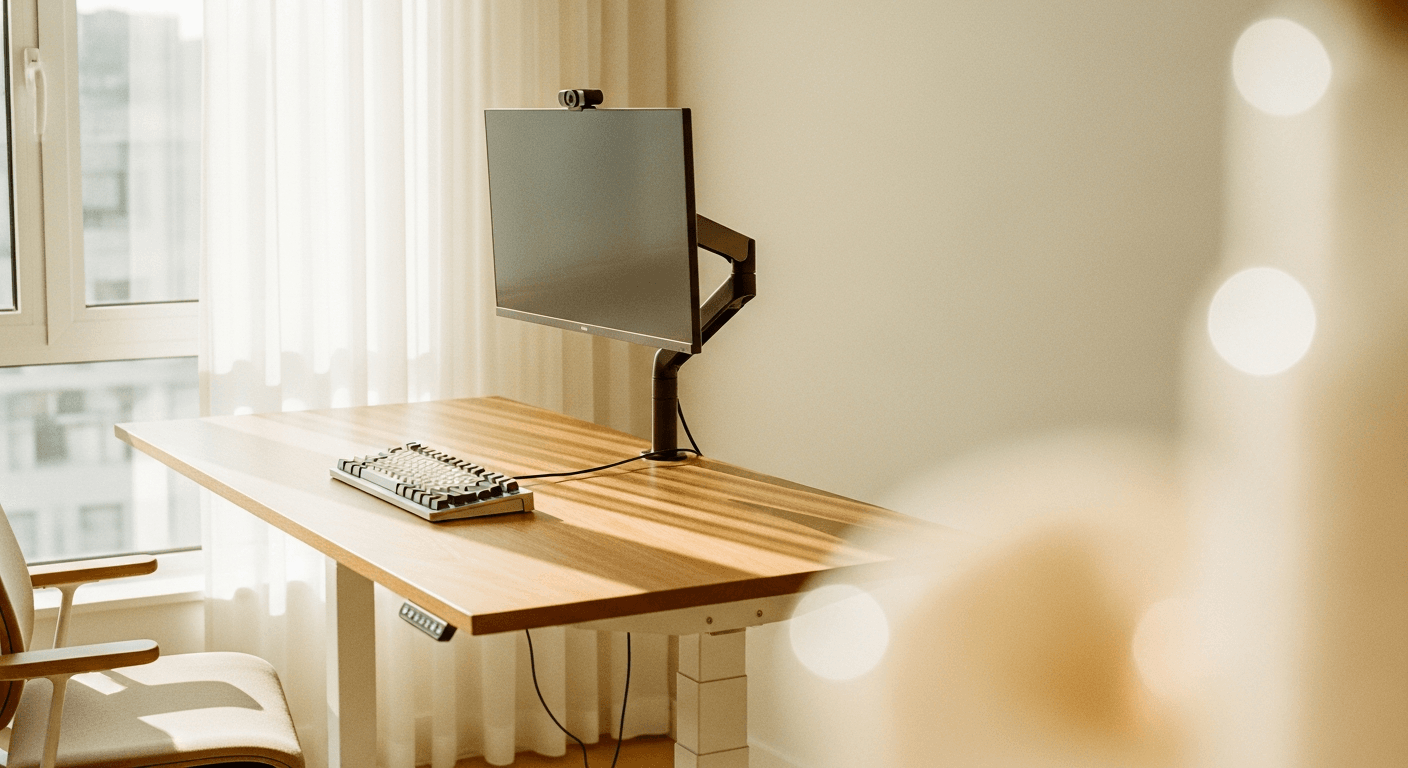
Ergonomics ROI: $1.50 Back for Every Dollar Spent
Two May 2026 studies reframe ergonomics as financial strategy: employers get $1.50 back per dollar spent, while poor workstations cost billions in lost productivity.

Chronic Work Stress in 2026: What HR Must Act On Now
The May 2026 research consensus is clear: chronic work stress is a clinical risk, and most HR frameworks still aren't built to treat it that way.

Why Standalone Wellness Programs Are Failing in 2026
The GWI's April 2026 report confirms that standalone wellness programs underperform when well-being isn't embedded in leadership and organizational structure.

Culture Drives Health Behavior Change More Than Programs Do
Two 2026 studies confirm organizational culture and environment shape employee health behavior more than wellness programs or individual motivation ever will.

Health Issues Employees Still Won't Discuss at Work
New 2026 survey data reveals the health conditions employees still hide at work and why most wellness programs are structurally failing to close the gap.

The 4-Day Work Week's Case Against Obesity Is Getting Stronger
New obesity research links every 1% cut in annual work hours to a 0.16% drop in obesity rates, giving employers a data-backed case for schedule reform.

7 Office Design Changes That Prevent Burnout
Gallup's 2026 data frames office design as a financial decision. These 7 evidence-backed changes reduce burnout and deliver measurable ROI.

Silent Burnout's Hidden Driver: Sleep Is the Crisis HR Missed
Spring Health's 2026 report reveals sleep as employees' top mental health challenge, yet HR keeps missing it. Here's why that blind spot is fueling silent burnout.

Remote Work and Wellbeing: What 2026 Data Actually Shows
2026 data shows hybrid workers have the lowest burnout rates, while fully remote and in-office employees each face distinct but serious health penalties.

Long Work Hours Are Making Employees Obese: New Data
New ECO 2026 data shows a 1% cut in annual working hours links to a 0.16% drop in obesity rates, giving HR leaders a measurable public health lever.

Silent Burnout: The HR Crisis Nobody Saw Coming
95% of HR leaders call mental health a top priority, yet 40% of burned-out employees silently underperform. Here's why the data isn't showing the real cost.

Hybrid Work and Burnout: What the 2026 Data Shows
New 2026 research confirms hybrid work reduces burnout more than fully remote or in-office models. but only when organizations build real structure around it.

AI Anxiety at Work Is Now a Psychosocial Health Risk
AI anxiety is now an official psychosocial risk category. Here's why your EAP wasn't built for it and what forward-thinking organizations are doing differently.

Remote Work Loneliness Costs More Than Stress Ever Did
Remote work loneliness triggers neurochemical deficits that cost more in productivity and errors than acute stress. Here's what the evidence demands instead.

mHealth Apps Cut Sedentary Time at Work: New Review
A May 2026 systematic review finds mHealth apps reduce desk worker sedentary time, but uneven research quality means HR buyers need sharper evidence standards.

Burnout Is Down. Boreout Is the New Crisis at Work.
Burnout risk has dropped to 5% in 2026 while disengagement risk hits 23%, forcing HR and wellness operators to rethink their entire approach.