
Your team's health is your best investment
Corporate wellness guides, data, and programs for companies integrating fitness into their culture. Reduce absenteeism and boost team performance.
Latest articles (215)
Your Daily Workout Can't Fix 8 Hours of Sitting
New research confirms your gym sessions can't undo prolonged sitting. The fix requires restructuring the workday itself, and that's on employers.
How Many Hours of Sitting Actually Raises Your Death Risk
A 2026 cohort study pinpoints 4 hours as the daily sitting threshold where death risk rises sharply. Here's what that means for your workday.

Remote Work Without Boundaries Is Breaking Wellbeing
New research from Durham University and Modern Health reveals that boundaryless remote work is a measurable psychological risk, and HR leaders now have the evidence to act.

Remote Work Is Harming Wellbeing Without the Right Boundaries
Durham University research confirms remote work erodes wellbeing without boundaries. Mindfulness, flow design, and social connection are now organizational imperatives.

68 Studies, 45 Fixes: Digital Tools That Actually Reduce Sitting at Work
A landmark review of 68 studies identifies 45 digital interventions that reduce office sitting, giving HR leaders an evidence-ranked toolkit for scalable behavior change.

61% of US Workers Are Languishing in 2026: What HR Must Do
61% of US workers are languishing in 2026, and the data shows the cause is structural work design failures, not individual resilience deficits.

A 30-Day Stretch Program Cuts Desk Worker Pain by 78%
A 2026 study found a 30-day stretching protocol reduced pain in 78% of desk workers and improved mobility in 85%, with no equipment needed.

Remote Work Interruptions Are Quietly Killing Productivity
Durham University research confirms home interruptions directly damage remote worker focus and output. Here's what HR needs to act on now.
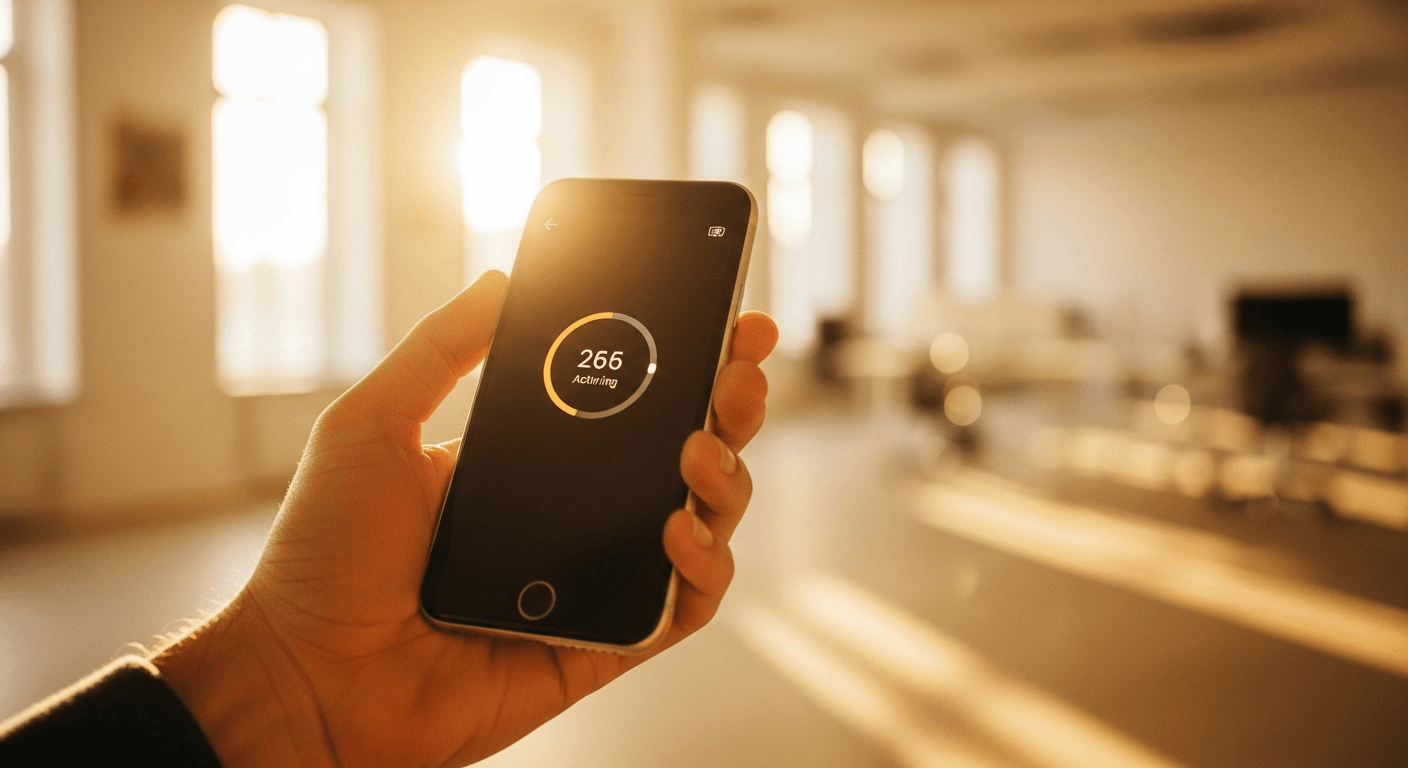
This mHealth App Cuts Sedentary Time and Protects Heart Health
A peer-reviewed 2026 study on the SIMPLE HEALTH mHealth app shows short-term reductions in sedentary time and cardiometabolic risk in office workers.

Physical Activity Boosts Work-Life Balance: New Data
A January 2026 study shows physical activity boosts life satisfaction via work-life balance, competence, and motivation. Here's what that means for HR program design.

The 10-Minute Morning Mobility Routine for Desk Workers: A Complete Guide
Thoracic kyphosis, tight hip flexors, forward head posture — sedentary work leaves its mark. A research-backed 10-minute morning routine can correct these imbalances and transform your energy for the day.

Ergonomics and Mental Health: The Link HR Ignores
EU-OSHA's 2026-2028 Mental Health at Work campaign reframes ergonomics as a mental health lever, with direct implications for how HR should allocate wellness budgets.

Burnout Prevention Program: The Complete HR Guide
The WHO has classified burnout as an occupational phenomenon since 2019. Yet most companies still operate in reactive mode. This guide gives HR teams an early detection protocol, a 3-level prevention architecture, and a practical implementation toolkit.
Musculoskeletal Disorders at Work: The Real Risk Factors in 2026
New 2026 research puts physical inactivity and awkward posture at the center of workplace MSDs. Here's the evidence-based prevention checklist HR teams need.

Digital Leadership Builds Resilience -- Until AI Anxiety Kicks In
A 2026 study confirms digital leadership builds employee resilience via mindfulness and gamification. but AI anxiety actively cancels those gains.

The $190B Burnout Crisis Employers Can't Ignore
Employee burnout now costs the US economy $190B annually. Here's how HR and finance leaders can turn that number into a measurable intervention strategy.

Silent Burnout Crisis: What HR Must Do Now
Spring Health's 2026 data reveals a silent burnout surge driven by quiet disengagement. Here's what HR must do differently to address the real systemic causes.

Remote Work Wellbeing 2026: The Gains and the Hidden Costs
93% of remote workers report mental health gains from flexibility, but isolation and boundary erosion are creating a hidden wellbeing crisis most employers aren't measuring.

Why Company Culture Beats Wellness Perks Every Time
New 2026 research shows organizational culture, not wellness perks or program spend, is the strongest predictor of lasting employee health behavior change.

Why Generic Wellness Programs Are Failing Workers
Generic corporate wellness programs attract the already-healthy and ignore high-risk workers, widening health gaps. Here's why HR leaders need a segmented strategy.

2026 Wellbeing Report: Most US Workers Are Still Languishing
The 2026 Workplace Wellbeing Report finds most US workers still languishing. Individual perks aren't enough. Systemic change is what actually works.

Moderate Exercise Cuts Burnout and Quiet Quitting Risk
University of Michigan research links moderate exercise to lower burnout and less quiet quitting, giving HR leaders a low-cost, high-impact retention tool.

Habit Stacking: The Method That Makes Workplace Wellness Stick
Habit stacking combined with exercise snacking is the most effective strategy for making workplace wellness programs durable, according to April 2026 research.

Ergonomics Is a Performance Driver, Not Just Injury Prevention
New occupational health research reframes ergonomics as a direct driver of productivity, lower error rates, and talent retention, not just injury prevention.